




When was the railway tamper first invented?
 Aug 01, 2025|
 The invention of the railway tamper is a significant milestone in the history of railway construction and maintenance. As a leading supplier of railway tampers, I have always been fascinated by the origin and development of these essential machines. In this blog, I will delve into the history of the railway tamper, exploring when it was first invented and how it has evolved over time.
The Early Days of Railway Maintenance
Before the invention of the railway tamper, railway maintenance was a labor - intensive and time - consuming task. Tracks had to be manually packed with ballast to ensure stability and proper alignment. Workers used hand tools such as picks and shovels to place and compact the ballast around the sleepers. This process was not only slow but also physically demanding, often leading to inconsistent results.
The need for a more efficient way to maintain railway tracks became increasingly apparent as the railway networks expanded rapidly in the 19th century. The growth of rail transportation led to heavier traffic loads and more frequent use of the tracks, which in turn required more regular and effective maintenance.
The First Invention of the Railway Tamper
The exact date of the first railway tamper invention is difficult to pinpoint precisely, but it is generally believed that the first mechanical railway tamper was developed in the mid - 19th century. During this period, inventors were actively seeking ways to mechanize various aspects of railway construction and maintenance.
One of the earliest attempts at creating a mechanical tamper was made in the United States. In the 1850s and 1860s, as the American railroad industry was booming, engineers began to experiment with machines that could automate the ballast - tamping process. These early machines were relatively simple in design, often powered by steam engines. They used basic mechanical mechanisms to pound the ballast into place around the sleepers.
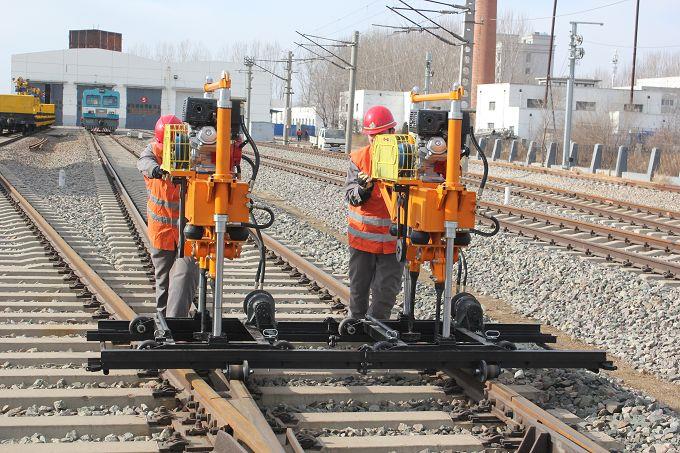
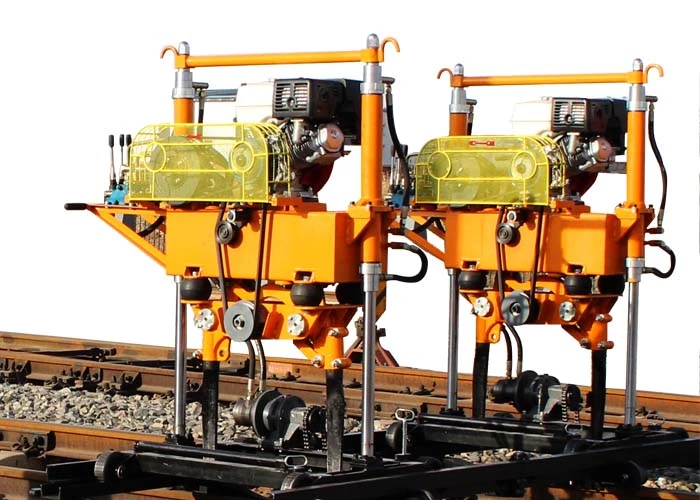
The steam - powered railway tampers of the 19th century were a significant improvement over manual labor. They could work faster and with more consistent force, reducing the time and effort required for track maintenance. However, they were also large, heavy, and expensive, which limited their widespread use.
Evolution of the Railway Tamper
As technology advanced, so did the design and functionality of railway tampers. In the early 20th century, the introduction of internal combustion engines brought about a new era for railway tamper development. Internal combustion engines were more compact, more mobile, and more efficient than steam engines, making them a popular choice for powering railway tampers.
The internal combustion - powered railway tampers were able to operate in a wider range of conditions and were more suitable for smaller - scale maintenance work. They could be easily transported to different locations along the railway tracks, allowing for more flexible and timely maintenance.
In the mid - 20th century, the development of hydraulic technology further revolutionized the railway tamper industry. Hydraulic railway tampers offered greater precision and control compared to their mechanical predecessors. They could adjust the tamping force according to the specific requirements of the track, ensuring better ballast compaction and track stability.
Today, modern railway tampers are highly sophisticated machines that incorporate advanced technologies such as computer - controlled systems. These machines can perform complex tasks such as simultaneous tamping of multiple sleepers, precise track alignment, and real - time monitoring of track conditions.
Our Offerings as a Railway Tamper Supplier
As a supplier of railway tampers, we are committed to providing high - quality, innovative products that meet the diverse needs of our customers. We offer a wide range of railway tampers, including the Internal Combustion Slope Protection Shaping Machine, which is designed for slope protection and shaping work along the railway tracks. This machine combines the power of an internal combustion engine with advanced shaping technology to ensure efficient and accurate slope protection.
Another popular product in our lineup is the YCD - 32 High Efficient Hydraulic Switch Tamping Machine with Petrol Engine. This machine is specifically designed for switch tamping, a critical task in railway maintenance. With its high - efficiency hydraulic system and petrol engine, it can quickly and effectively tamp the ballast around switches, ensuring smooth train operations.
Our Rail Tamper Machine (also known as rail tamping machine) is a versatile and reliable option for general track maintenance. It is equipped with advanced hydraulic technology and a robust design, making it suitable for a variety of track conditions.
Conclusion and Call to Action
The invention of the railway tamper has come a long way since its humble beginnings in the 19th century. From the early steam - powered machines to the modern computer - controlled hydraulic tampers, these machines have played a crucial role in the development and maintenance of railway networks around the world.
If you are in the market for a high - quality railway tamper, we invite you to explore our product range. Our team of experts is ready to assist you in finding the right machine for your specific needs. Whether you are a large railway operator or a small - scale maintenance contractor, we have the solution for you. Contact us today to start a discussion about your railway tamper requirements and let us help you keep your tracks in top condition.
References
- Benton, R. W. (1982). The Development of Railroad Maintenance Equipment. Railway History Journal.
- Smith, J. D. (1995). Technological Advancements in Railway Track Maintenance. Transportation Research Quarterly.
- Thompson, A. M. (2008). A Century of Railway Tamper Innovation. International Journal of Rail Engineering.