




Can I use a Rust Remover on a bicycle frame?
 Nov 12, 2025|
 Can I use a Rust Remover on a bicycle frame?
As a supplier of rust removers, I often receive inquiries from customers about the applicability of our products to various items, and one common question is whether a rust remover can be used on a bicycle frame. In this blog post, I'll delve into this topic, exploring the feasibility, considerations, and best practices for using a rust remover on a bicycle frame.
Understanding Rust on Bicycle Frames
Bicycle frames are typically made of materials such as steel, aluminum, or carbon fiber. Among these, steel frames are most prone to rusting. Rust is essentially the oxidation of iron, which occurs when iron reacts with oxygen in the presence of moisture. Over time, rust can weaken the structural integrity of the frame, making it less safe to ride. Even a small amount of rust can spread if left untreated, causing further damage.
Aluminum frames, on the other hand, form a protective oxide layer when exposed to air, which prevents further corrosion. However, if the frame is damaged or exposed to certain chemicals, it can develop a form of corrosion that may require treatment. Carbon fiber frames are generally resistant to rust, but they can be damaged by impact or improper handling.
Can You Use a Rust Remover on a Bicycle Frame?
The short answer is yes, you can use a rust remover on a bicycle frame, but there are several factors to consider. The type of rust remover you choose depends on the material of the frame and the severity of the rust.
For Steel Frames
Steel frames are the most common candidates for rust removal. There are two main types of rust removers: chemical and mechanical. Chemical rust removers work by dissolving the rust through a chemical reaction. They are typically easy to use and can be very effective in removing rust from hard-to-reach areas. However, some chemical rust removers can be harsh and may damage the paint or finish of the frame if not used properly.
Mechanical rust removers, such as wire brushes or sandpaper, physically remove the rust by abrasion. They are a good option for light rust or for spot treatment. However, they can be time-consuming and may scratch the frame if not used carefully.
For Aluminum Frames
When using a rust remover on an aluminum frame, it's important to choose a product that is specifically designed for aluminum. Some rust removers contain chemicals that can damage the protective oxide layer on aluminum, leading to further corrosion. Look for a rust remover that is labeled as safe for aluminum and follow the manufacturer's instructions carefully.
For Carbon Fiber Frames
As mentioned earlier, carbon fiber frames are generally resistant to rust. However, if the frame has been exposed to moisture or chemicals, it may develop a form of surface contamination that can be mistaken for rust. In this case, a mild cleaner or degreaser may be sufficient to remove the contamination. Avoid using abrasive rust removers or harsh chemicals on carbon fiber frames, as they can damage the fibers.
Choosing the Right Rust Remover
When choosing a rust remover for your bicycle frame, consider the following factors:
- Type of Frame Material: As discussed above, different materials require different types of rust removers. Make sure to choose a product that is compatible with the material of your frame.
- Severity of Rust: For light rust, a mild rust remover or a mechanical method may be sufficient. For heavy rust, a stronger chemical rust remover may be necessary.
- Safety: Some rust removers can be toxic or flammable, so it's important to choose a product that is safe to use. Read the label carefully and follow the manufacturer's instructions.
- Ease of Use: Consider how easy the rust remover is to apply and remove. Some products require soaking, while others can be sprayed on and wiped off.
Using a Rust Remover on a Bicycle Frame
Once you've chosen the right rust remover, it's time to apply it to the frame. Here are the general steps:
- Prepare the Frame: Remove any loose dirt or debris from the frame using a soft brush or cloth. If the frame is painted, tape off any areas that you don't want to get the rust remover on.
- Apply the Rust Remover: Follow the manufacturer's instructions for applying the rust remover. This may involve soaking the frame in a solution, spraying the rust remover on the affected areas, or using a brush to apply the product.
- Let the Rust Remover Work: Allow the rust remover to sit on the frame for the recommended amount of time. This can range from a few minutes to several hours, depending on the product and the severity of the rust.
- Remove the Rust Remover: Once the rust has been removed, rinse the frame thoroughly with water to remove any remaining rust remover. Use a soft brush or cloth to gently scrub away any stubborn rust.
- Neutralize the Rust Remover: Some rust removers require neutralization to prevent further corrosion. If this is the case, follow the manufacturer's instructions for neutralizing the rust remover.
- Dry the Frame: Use a clean, dry cloth to dry the frame completely. Make sure to dry all the nooks and crannies to prevent moisture from causing further rust.
- Protect the Frame: Once the frame is dry, apply a protective coating to prevent future rust. This can be a clear coat, a wax, or a rust inhibitor.
Other Considerations
- Paint and Finish: If your bicycle frame is painted, using a rust remover may damage the paint or finish. To minimize the risk of damage, test the rust remover on a small, inconspicuous area of the frame first. If the paint or finish is damaged, you may need to repaint the frame.
- Components: Before applying the rust remover to the frame, remove any components that are not rusted, such as the wheels, gears, and brakes. This will prevent the rust remover from damaging these components.
- Disposal: Dispose of the rust remover and any waste materials according to local regulations. Some rust removers can be harmful to the environment, so it's important to handle them properly.
Conclusion
In conclusion, using a rust remover on a bicycle frame is a viable option for removing rust and restoring the frame's appearance and structural integrity. However, it's important to choose the right rust remover for the material of the frame and to follow the manufacturer's instructions carefully. By taking the time to properly remove the rust and protect the frame, you can extend the life of your bicycle and ensure a safe and enjoyable ride.
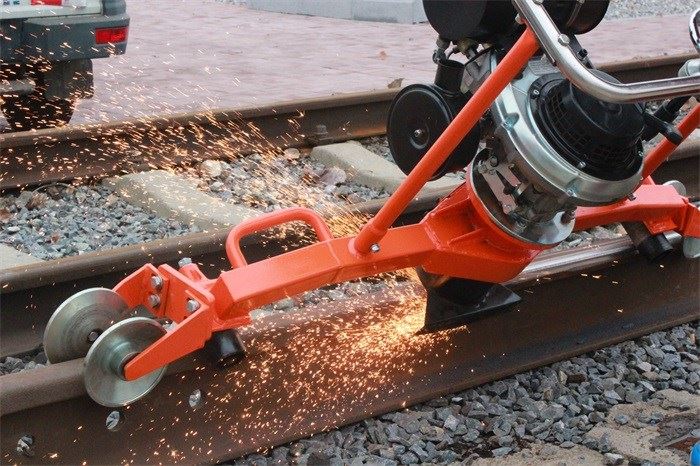
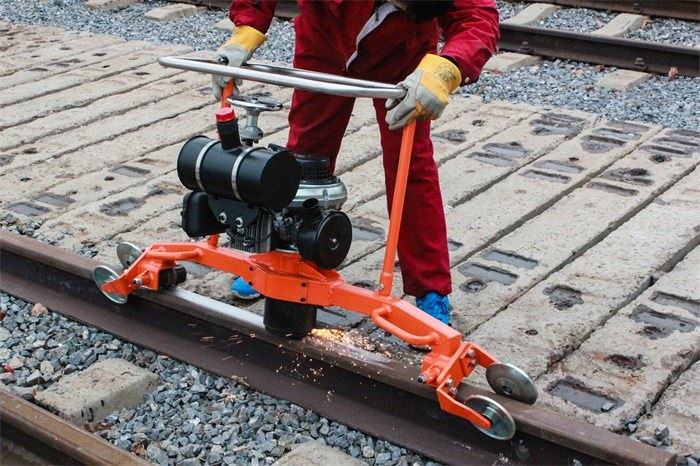
If you're interested in purchasing a high-quality rust remover for your bicycle frame or other applications, we're here to help. Our products are designed to be effective, safe, and easy to use. We also offer a range of other industrial products, such as the High Working Efficiency Rail Grinding Machine Fat Edge Grinder, the NGM-4.4II Rail Profile Grinding Machine, and the DGM-2.2 II Lithium Battery Multi-functional Switch Rail Grinding Machine.
If you have any questions or would like to discuss your specific needs, please don't hesitate to contact us. We're happy to provide you with more information and help you find the right products for your requirements.
References
- "Bicycle Frame Materials: A Comprehensive Guide." Bicycling.com.
- "How to Remove Rust from a Bicycle Frame." Popular Mechanics.
- "The Chemistry of Rust." ThoughtCo.