




What are the different Rail Jack missions types?
 Nov 12, 2025|
 Hey there! As a rail jack supplier, I've had my fair share of experience with different types of rail jack missions. Rail jacks are super important in the railway industry, and they're used for a bunch of different tasks. In this blog, I'm gonna break down the various rail jack mission types and give you a better idea of what each one entails.
Track Lifting and Leveling Missions
One of the most common rail jack missions is track lifting and leveling. This is crucial for maintaining the proper alignment and elevation of the railway tracks. Over time, tracks can settle or shift due to factors like heavy train traffic, soil movement, or weather conditions. That's where our rail jacks come in handy.
For example, our YQJ - 300 Hydraulic Rail Lifting Machine Rack Jacks are specifically designed for this type of mission. They can lift heavy rails with ease, allowing workers to adjust the track level and alignment precisely. These jacks use hydraulic power, which provides a smooth and controlled lifting process. This is really important because it helps prevent any sudden movements that could damage the tracks or pose a safety risk.
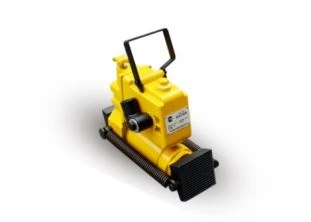
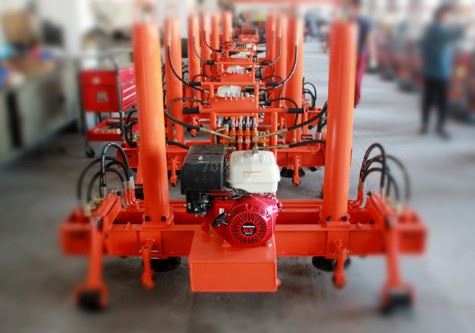
When we're on a track lifting and leveling mission, the first step is to assess the current condition of the tracks. We use special measuring tools to determine the areas that need adjustment. Then, we position the rail jacks at strategic points along the track. Once the jacks are in place, we start the lifting process, gradually raising the rails to the desired height. After that, we make any necessary adjustments to ensure the tracks are level and properly aligned.
Track Spacing and Alignment Missions
Another important type of rail jack mission is track spacing and alignment. The distance between the rails, known as the gauge, needs to be consistent throughout the railway line. If the gauge is off, it can cause problems for trains, such as derailments or excessive wear on the wheels.
Our Hydraulic Tie Spacer Hydraulic Rail Jack is great for these kinds of missions. It can be used to adjust the spacing between the rails and also help with aligning them properly. The hydraulic tie spacer feature allows us to push or pull the rails into the correct position, ensuring that the gauge is within the acceptable range.
During a track spacing and alignment mission, we first measure the existing gauge at multiple points along the track. If we find any areas where the gauge is incorrect, we use the rail jack to make the necessary adjustments. We carefully move the rails until the gauge is right. This process requires a lot of precision because even a small deviation in the gauge can have a big impact on the safety and performance of the railway.
Track Maintenance and Repair Missions
Rail jacks are also used for track maintenance and repair missions. This includes tasks like replacing worn - out ties, fixing damaged rails, or performing routine inspections. When we need to replace a tie, for example, we use rail jacks to lift the rails off the tie so that it can be removed and a new one installed.
In addition to lifting the rails, our rail jacks can also be used to support the rails during the repair process. This helps keep the tracks stable and prevents any further damage. For instance, if a rail has a crack, we can use the jack to hold the rail in place while the repair work is being done.
Our Rail Profile Grinding Template Ruler can be used in conjunction with rail jacks during maintenance and repair missions. It helps us ensure that the rail profile is correct after any repairs or replacements. This is important because the right rail profile is essential for the smooth running of trains.
Track Installation Missions
When a new railway line is being built, rail jacks play a vital role in the track installation process. They are used to lift and position the rails and ties accurately. This is a complex mission that requires careful planning and coordination.
We start by laying out the ties along the planned route of the railway. Then, we use rail jacks to lift the rails onto the ties. The jacks allow us to position the rails precisely, making sure they are straight and properly aligned. Once the rails are in place, we secure them to the ties and perform a final check to ensure everything is set up correctly.
Emergency Response Missions
In case of an emergency, such as a derailment or a track collapse, rail jacks are essential for quick response and recovery. They can be used to lift and re - position the derailed trains or damaged tracks. Time is of the essence in these situations, so our rail jacks are designed to be easy to transport and set up quickly.
During an emergency response mission, we first assess the damage and determine the best approach for recovery. We then use the rail jacks to lift the derailed train or damaged rails. This allows us to move the train back onto the tracks or repair the damaged sections as quickly as possible.
Conclusion
As you can see, there are many different types of rail jack missions, each with its own unique requirements. Whether it's track lifting and leveling, spacing and alignment, maintenance and repair, installation, or emergency response, our rail jacks are up to the task.
If you're in the railway industry and need high - quality rail jacks for your missions, don't hesitate to get in touch. We're here to provide you with the best products and support to ensure the success of your projects. Whether you're a small - scale railway operator or a large - scale construction company, we have the right rail jack solutions for you. So, if you're interested in learning more about our products or discussing your specific needs, just reach out and let's start a conversation.
References
- Railway Track Maintenance Handbook
- Hydraulic Equipment in the Railway Industry: A Practical Guide