




How can I purchase a Rail Grinder?
 Nov 11, 2025|
 Purchasing a rail grinder is a significant decision that requires careful consideration, especially when it comes to meeting the specific needs of railway maintenance and construction projects. As a supplier of high - quality rail grinders, I understand the challenges and questions that buyers face. In this blog, I will guide you through the process of purchasing a rail grinder, highlighting key factors to consider and introducing some of our top - selling products.
Understanding Your Requirements
The first step in purchasing a rail grinder is to clearly define your requirements. Different railway projects have diverse needs based on factors such as the type of railway track (e.g., mainline, subway, or industrial track), the frequency of grinding, and the specific grinding tasks (e.g., end - face grinding, slope ballast rail shaping).
For instance, if you are working on a project that involves a large - scale mainline railway, you may need a high - powered and efficient rail grinder that can cover a large area in a short time. On the other hand, if you are dealing with a smaller industrial track or a maintenance project with limited space, a more compact and maneuverable rail grinder would be more suitable.
Types of Rail Grinders
There are several types of rail grinders available in the market, each designed for specific applications.
Internal Combustion Rail Grinders: These are popular due to their portability and independence from external power sources. They are powered by internal combustion engines, which makes them suitable for remote locations or areas where electrical power is not readily available.
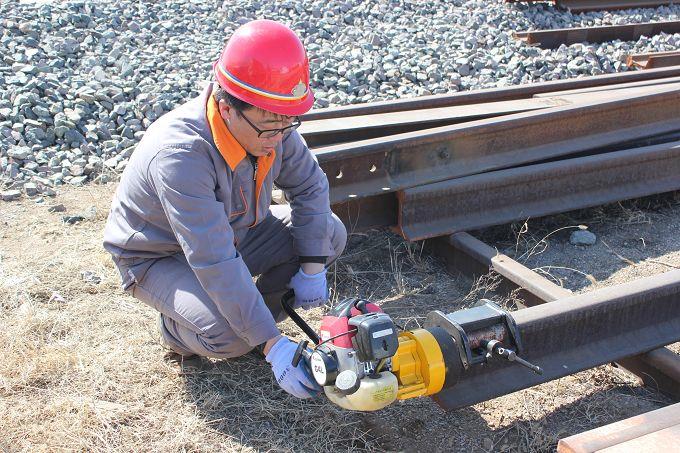

- NDM - 1.4 High Strength Internal Combustion Rail End - face Grinding Machine: This machine is specifically designed for end - face grinding of railway tracks. It features high strength and precision, ensuring a smooth and accurate grinding surface. The internal combustion engine provides reliable power, allowing for continuous operation in various environments.
- Internal Combustion Slope Ballast Rail Shaping Machine: Ideal for shaping the slope ballast of railway tracks. It can effectively adjust the shape of the rail, improving the stability and safety of the track. The internal combustion power system enables it to work in different terrains and conditions.
- 4 Stoke Internal Combustion Rail Grinding Machine: With a 4 - stroke internal combustion engine, this machine offers better fuel efficiency and lower emissions. It is suitable for a wide range of rail grinding tasks, providing consistent performance and durability.
Key Factors to Consider When Purchasing
- Performance and Efficiency: Look for a rail grinder that offers high - performance grinding capabilities. Consider factors such as the grinding speed, the quality of the grinding surface, and the machine's ability to handle different types of rails. A more efficient rail grinder can save you time and labor costs in the long run.
- Reliability and Durability: Railway projects often require equipment that can withstand harsh working conditions. Choose a rail grinder made from high - quality materials and with a proven track record of reliability. A durable machine will have fewer breakdowns and require less maintenance, reducing downtime and overall costs.
- Safety Features: Safety is of utmost importance when working with rail grinders. Ensure that the machine is equipped with essential safety features such as emergency stop buttons, protective guards, and proper grounding. These features can prevent accidents and protect the operators.
- Ease of Use and Maintenance: A user - friendly rail grinder can improve productivity and reduce the learning curve for operators. Look for machines with intuitive controls and easy - to - access maintenance points. Regular maintenance is crucial for the longevity of the machine, so choose one that is easy to maintain.
- Cost - effectiveness: While the initial cost of the rail grinder is an important consideration, also take into account the long - term costs such as fuel consumption, maintenance, and spare parts. A more expensive machine may offer better performance and durability, resulting in lower overall costs over its lifespan.
Supplier Evaluation
When purchasing a rail grinder, it is essential to choose a reliable supplier. Here are some aspects to consider when evaluating a supplier:
- Product Quality: Check the quality of the rail grinders offered by the supplier. Look for certifications and customer reviews to ensure that the products meet industry standards.
- Technical Support: A good supplier should provide comprehensive technical support, including installation, training, and after - sales service. This can help you get the most out of your rail grinder and resolve any issues quickly.
- Customization Options: Depending on your specific requirements, you may need a customized rail grinder. A supplier that offers customization services can tailor the machine to your needs, ensuring optimal performance.
- Delivery Time and Logistics: Timely delivery of the equipment is crucial for the progress of your project. Choose a supplier with a reliable delivery system and the ability to handle logistics efficiently.
The Purchasing Process
Once you have determined your requirements, selected the type of rail grinder, and evaluated the suppliers, you can proceed with the purchasing process.
- Request Quotes: Contact several suppliers and request detailed quotes. The quotes should include the price of the rail grinder, shipping costs, taxes, and any additional services.
- Compare Quotes: Compare the quotes from different suppliers based on the factors mentioned above, such as product quality, technical support, and cost - effectiveness.
- Negotiate Terms: If possible, negotiate the terms of the purchase, including the price, delivery time, and warranty. A good supplier may be willing to offer discounts or better terms to win your business.
- Place the Order: Once you have selected the supplier and agreed on the terms, place the order. Make sure to get a written contract that clearly outlines the details of the purchase.
- Inspection and Acceptance: Upon delivery, inspect the rail grinder to ensure that it meets your requirements and is in good condition. If there are any issues, contact the supplier immediately for resolution.
Conclusion
Purchasing a rail grinder is a complex process that requires careful planning and consideration. By understanding your requirements, choosing the right type of rail grinder, evaluating suppliers, and following a proper purchasing process, you can make an informed decision and get the best value for your money.
As a leading supplier of rail grinders, we are committed to providing high - quality products and excellent customer service. Our range of rail grinders, including the NDM - 1.4 High Strength Internal Combustion Rail End - face Grinding Machine, Internal Combustion Slope Ballast Rail Shaping Machine, and 4 Stoke Internal Combustion Rail Grinding Machine, are designed to meet the diverse needs of railway projects.
If you are interested in purchasing a rail grinder or have any questions, please feel free to contact us. We are here to assist you throughout the purchasing process and ensure that you get the right equipment for your project.
References
- Railway Maintenance Handbook
- Industrial Equipment Buying Guide
- Internal Combustion Engine Technology Manual