




What are the documentation requirements for rail adjustment projects?
 Nov 13, 2025|
 Hey there! I'm part of a Rail Adjustment supplier team, and today I wanna chat about the documentation requirements for rail adjustment projects. It's super important to get these docs in order to make sure everything runs smoothly, and it's something we deal with all the time in our line of work.
First off, let's talk about why documentation matters. When you're working on a rail adjustment project, there are so many moving parts. You've got safety concerns, regulatory compliance, and of course, making sure the job is done right. Documentation helps keep track of everything from start to finish. It's like a roadmap that shows what was done, when it was done, and who did it.
One of the key pieces of documentation is the project plan. This is like the blueprint for the whole thing. It outlines the scope of the project, including what kind of rail adjustments are needed, where they'll take place, and when the work will be completed. It also includes details about the resources required, such as equipment and personnel. For us as a supplier, this helps us understand what the client needs and how we can best support them.
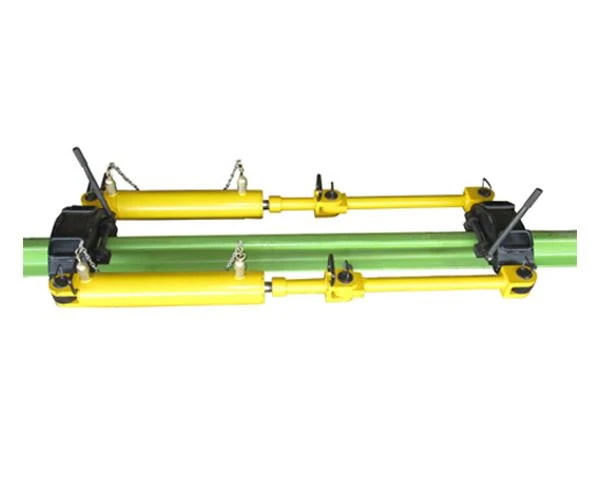
Another important document is the safety plan. Rail adjustment work can be dangerous, so safety is always our top priority. The safety plan should include risk assessments, safety procedures, and emergency response plans. It should also detail the safety training that all workers involved in the project will receive. We always make sure that our equipment, like the Rail Tensor (Rail Stressing Equipment Rail Puller Rail Stressor), meets all safety standards and that our clients are aware of how to use it safely.
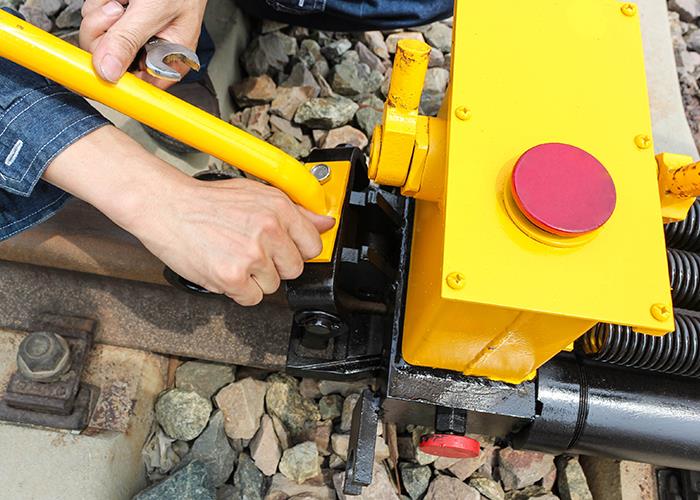
Quality control documents are also a must. These documents track the quality of the work being done at every stage of the project. They include inspection reports, test results, and any corrective actions taken if something doesn't meet the required standards. For example, when using a Rail Gap Adjuster, we need to make sure it's calibrated correctly and that the rail gaps are adjusted to the proper specifications.
Now, let's talk about the equipment documentation. When we supply equipment for a rail adjustment project, we provide detailed documentation about each piece. This includes the equipment's technical specifications, operating instructions, maintenance schedules, and warranty information. For instance, our YTF 400 II Good Quality Hydraulic Rail Gap Adjuster comes with a user manual that explains how to operate it safely and effectively. This documentation helps the client get the most out of the equipment and ensures its long - term performance.
In addition to these, there are also regulatory documents. Different regions have different regulations when it comes to rail adjustment projects. These regulations cover things like environmental impact, noise pollution, and worker safety. We need to make sure that all our projects comply with these regulations, and the documentation serves as proof of compliance. This might include permits, licenses, and reports submitted to the relevant regulatory authorities.
Communication is also a big part of documentation. We keep records of all our communications with the client, including emails, phone calls, and meetings. This helps us stay on the same page and makes sure that everyone understands the project requirements and any changes that might occur along the way.
When it comes to record - keeping, it's important to be organized. We use digital systems to store all our documentation, which makes it easy to access and share with the client and other stakeholders. This also helps us keep track of the status of each document, such as when it was created, when it was last updated, and who has access to it.
As a Rail Adjustment supplier, we know that proper documentation can make or break a project. It not only helps us provide better service to our clients but also protects us in case of any issues or disputes. We're always happy to work with our clients to make sure that all the documentation requirements are met.
If you're in the market for rail adjustment equipment or services, and you've got a project coming up, we'd love to hear from you. Whether you need help with the documentation process or just want to learn more about our products, we're here to assist. Just reach out to us, and we can start a conversation about how we can meet your needs.
References:
- Industry standards for rail adjustment projects
- Regulatory guidelines for rail construction and maintenance
So, don't hesitate to get in touch if you've got any questions or if you're ready to start your rail adjustment project. We're here to make it a success!