




How are passengers and crew trained for emergency situations in a railway car?
 Aug 25, 2025|
 In the dynamic landscape of railway transportation, safety is paramount. Ensuring that both passengers and crew are well - trained for emergency situations in a railway car is not only a regulatory requirement but also a moral obligation. As a leading railway car supplier, we understand the critical role that proper training plays in safeguarding lives and property. In this blog, we will delve into the comprehensive training programs designed for passengers and crew to handle emergencies effectively.
Training Programs for Passengers
Pre - journey Information
Before boarding a train, passengers should be provided with clear and concise information about emergency procedures. This can be achieved through various means, such as brochures available at train stations, digital displays on platforms, and announcements. These materials should include details on where to find emergency exits, how to use emergency equipment like fire extinguishers and emergency brakes, and what to do in case of a fire, derailment, or other emergencies.
For instance, passengers should be informed that in the event of a fire, they should move towards the end of the car away from the fire, cover their noses and mouths with a cloth to avoid inhaling smoke, and follow the crew's instructions. They should also know that emergency exits are typically located at the ends of the carriages and how to operate them.
On - board Demonstrations
Some railway operators conduct on - board demonstrations at the start of the journey. These demonstrations can be brief but effective, showing passengers how to use the most critical emergency equipment. For example, a crew member can quickly show how to open an emergency window or activate the emergency communication system.
In addition, visual aids such as posters inside the railway cars can serve as constant reminders of emergency procedures. These posters can be in multiple languages to accommodate a diverse range of passengers.
Simulated Emergency Drills
Although it may be challenging to conduct full - scale emergency drills for passengers during a regular journey, some railway companies organize occasional public drills at train stations or on disused tracks. These drills give passengers a hands - on experience of what to do in an emergency. They can practice evacuating the train, using emergency exits, and responding to announcements.
Training Programs for Crew
Initial Training
When new crew members join a railway operator, they undergo comprehensive initial training. This training covers a wide range of topics, including safety regulations, emergency response procedures, and the operation of railway car systems.
Crew members are trained to identify potential hazards in the railway car, such as loose electrical wires or malfunctioning emergency equipment. They learn how to conduct pre - journey safety checks, ensuring that all safety features are in working order. For example, they check the functionality of fire alarms, emergency lighting, and communication systems.
Emergency Response Training
One of the most critical aspects of crew training is emergency response. Crew members are trained to handle various types of emergencies, including fires, derailments, medical emergencies, and security threats.
In the case of a fire, crew members are trained to quickly assess the situation, activate the fire suppression system if available, and guide passengers to safety. They know how to use fire extinguishers effectively and how to communicate with the control center and emergency services.
For derailments, crew members are trained to assess the stability of the railway car, check for injuries among passengers, and establish a safe perimeter around the accident site. They also know how to provide first - aid to injured passengers until professional medical help arrives.
Simulation Exercises
To enhance their skills and preparedness, crew members participate in regular simulation exercises. These exercises can be conducted in a controlled environment, such as a training center or a disused railway track. The simulations can replicate various emergency scenarios, allowing crew members to practice their response without real - life risks.
For example, a simulation exercise may involve a mock fire in a railway car. Crew members are required to follow the emergency response procedures, evacuate passengers, and communicate with the relevant authorities. After the exercise, a debriefing session is held to discuss what went well and what needs improvement.
Continuous Training and Updates
The railway industry is constantly evolving, with new technologies and safety regulations being introduced regularly. Therefore, crew members need to undergo continuous training and updates. This ensures that they are aware of the latest emergency response techniques and the proper operation of new equipment.
Our company, as a railway car supplier, also plays a role in crew training. We provide detailed technical information about the railway cars we supply, including how to operate and maintain the safety systems. We also offer training sessions for crew members on the specific features of our railway cars, such as advanced fire suppression systems or state - of - the - art emergency communication devices.
The Role of Technology in Training
Technology has revolutionized the way passengers and crew are trained for emergency situations in railway cars.
Virtual Reality (VR) and Augmented Reality (AR)
VR and AR technologies can provide immersive training experiences. For passengers, VR can be used to create virtual emergency scenarios, allowing them to practice their response in a safe and controlled environment. For crew members, VR and AR can be used to simulate complex emergency situations, such as a train derailment in difficult terrain or a multi - car fire.
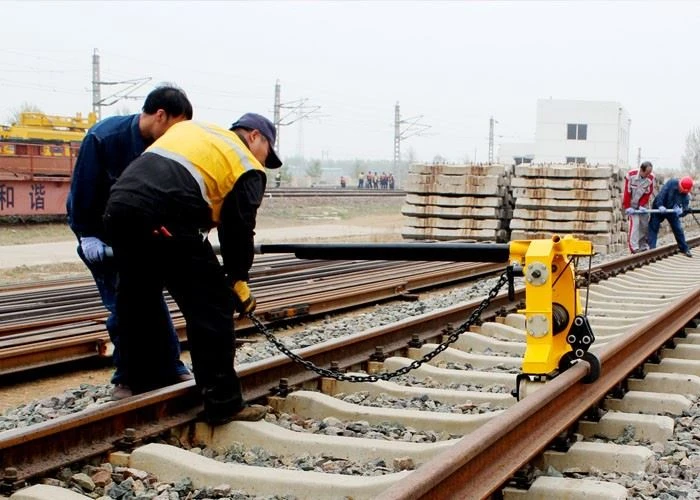
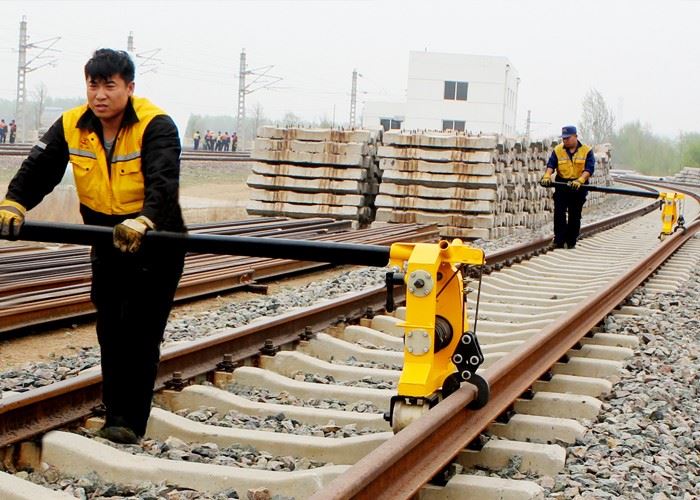
These technologies can also be used to train crew members on the operation of new equipment. For example, AR can overlay instructions on the actual equipment, guiding the crew member through the operation process.
E - learning Platforms
E - learning platforms are another valuable tool for training. Passengers can access online courses or videos about emergency procedures before their journey. Crew members can use e - learning platforms for continuous training, accessing up - to - date information on safety regulations, new equipment, and emergency response techniques.
Our Company's Contribution
As a railway car supplier, we are committed to ensuring the safety of passengers and crew. Our railway cars are equipped with state - of - the - art safety features, such as advanced fire suppression systems, emergency lighting, and reliable communication devices.
We also provide comprehensive technical support to railway operators. In addition to the detailed technical information about our railway cars, we offer on - site training for crew members. Our experienced technicians can train crew members on the proper operation and maintenance of our safety systems.
Moreover, we are constantly researching and developing new safety technologies for our railway cars. For example, we are working on improving the emergency exit systems to make them more user - friendly and reliable.
We offer a wide range of railway car - related products, such as the Railway Track Transport Trolley Carrying Rail Track Tools Track Tools Carrier, Customsized Railway Transportation Tools Lithium Battery Rail Trolley, and Rail Transporting Device. These products are designed to enhance the efficiency and safety of railway operations.
Conclusion
Proper training for passengers and crew in emergency situations is crucial for the safety of railway transportation. Through a combination of pre - journey information, on - board demonstrations, simulation exercises, and the use of advanced technologies, we can ensure that passengers and crew are well - prepared to handle emergencies.
As a railway car supplier, we are dedicated to providing high - quality railway cars and comprehensive support to railway operators. If you are interested in our products or would like to discuss training and safety solutions for your railway operations, we encourage you to contact us for procurement and further discussions.
References
- Federal Railroad Administration. (20XX). Safety Regulations for Passenger Rail Operations.
- International Union of Railways. (20XX). Guidelines for Emergency Training in Railway Transport.
- Railway Safety Standards Board. (20XX). Best Practices for Crew Training in Emergency Situations.