




How do I speed up the rust removal process with a Rust Remover?
 Dec 01, 2025|
 Hey there! As a supplier of Rust Removers, I've got a bunch of tips to share on how you can speed up the rust removal process. Rust is a real pain in the neck, right? It can mess up all sorts of metal stuff, from tools to machinery. But with the right Rust Remover and some smart techniques, you can get rid of that rust in no time.
First off, let's talk about choosing the right Rust Remover. There are different types out there, like chemical, electrolytic, and mechanical ones. Chemical Rust Removers are super popular because they're easy to use. You just soak the rusty item in the solution, and it breaks down the rust. But make sure to follow the instructions on the label. Some chemical removers can be pretty strong, so you need to wear gloves and work in a well - ventilated area.
If you're dealing with big industrial equipment or large metal surfaces, an electrolytic Rust Remover might be a better option. It uses an electrical current to remove rust. It's a bit more technical, but it can be really effective for heavy - duty rust removal.
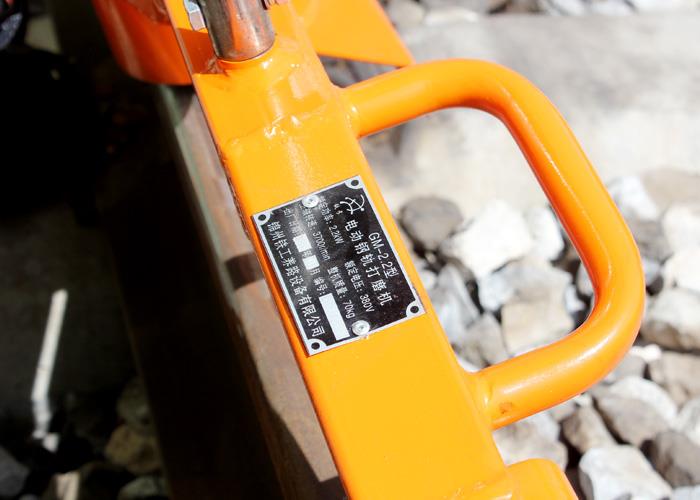
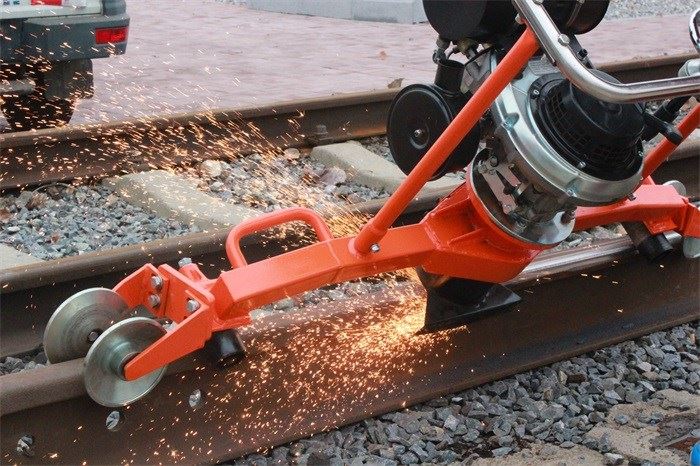
Now, let's get into the nitty - gritty of speeding up the process. One of the simplest things you can do is to pre - clean the rusty surface. Use a wire brush or sandpaper to knock off the loose rust. This not only helps the Rust Remover work better but also reduces the time it takes to remove the remaining rust. For example, if you have a rusty old rail, using a GM - 2.2 High Speed Electric Rail Grinding Machine to pre - clean it can be a great start. This machine can quickly get rid of the outer layer of rust, making the Rust Remover's job much easier.
Another important factor is the temperature. Most Rust Removers work better in warmer conditions. If it's cold outside, try moving your rust removal project indoors or use a heat source to warm up the Rust Remover and the rusty item. However, be careful not to overheat the Rust Remover, as it could cause it to lose its effectiveness or even become dangerous.
Agitation is also key. When using a chemical Rust Remover, stir the solution regularly if you're soaking the item. If you're applying the Rust Remover directly to the surface, use a brush to scrub it in. This helps the Rust Remover reach all the nooks and crannies where rust might be hiding. For instance, if you're working on a rail profile, a NGM - 4.4II Rail Profile Grinding Machine can be used not only for pre - cleaning but also for a bit of agitation during the rust removal process.
Concentration matters too. If your Rust Remover comes in a concentrated form, make sure to mix it according to the recommended ratio. Using a more concentrated solution can sometimes speed up the rust removal, but don't go overboard. Too high a concentration can damage the metal surface.
Let's talk about the type of metal. Different metals react differently to Rust Removers. For example, steel and iron are common metals that rust, but they might need different treatment. Some Rust Removers are specifically formulated for certain metals. So, make sure you choose the right one for the job. If you're dealing with a motor rail grinder, like an Eelctric Profile Rail Grinding Machine Motor Rail Grinder, you need to be extra careful about the Rust Remover you use to avoid damaging the electrical components.
Timing is everything. Don't leave the Rust Remover on for too long or too short a time. Check the instructions on the product to see how long it should be left on. If you take it off too soon, the rust might not be completely removed. If you leave it on too long, it could damage the metal.
After the rust is removed, it's important to protect the metal from rusting again. You can use a rust - inhibiting paint or a protective coating. This will extend the life of the metal and save you from having to go through the rust removal process again soon.
In summary, speeding up the rust removal process with a Rust Remover involves a combination of choosing the right product, pre - cleaning, controlling the temperature, agitating the solution, getting the concentration right, considering the type of metal, and timing it correctly.
If you're in the market for a high - quality Rust Remover or have any questions about rust removal, I'd love to chat. Whether you're a small - scale DIYer or a large industrial client, we've got the products and expertise to meet your needs. Reach out to start a conversation about your rust removal requirements and let's find the best solution together.
References
- General knowledge on rust removal techniques and Rust Remover products.
- Manufacturer's instructions for rail grinding machines and Rust Removers.