




How to plot a course for a Rail Jack?
 Dec 01, 2025|
 Hey there! If you're in the railway industry or involved in rail maintenance, you know how crucial it is to have the right equipment. As a proud supplier of rail jacks, I'm here to share some tips on how to plot a course for a rail jack. It's not just about getting the job done; it's about doing it safely, efficiently, and with the best tools at your disposal.
First things first, let's talk about why plotting a course for a rail jack is so important. When you're working on railway tracks, precision is key. A misaligned or poorly positioned rail jack can lead to all sorts of problems, from uneven track levels to potential safety hazards. That's why taking the time to plan your approach is essential.
Understanding Your Rail Jack
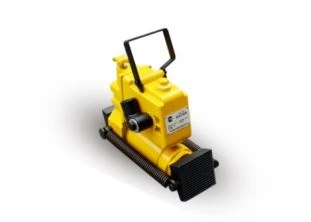
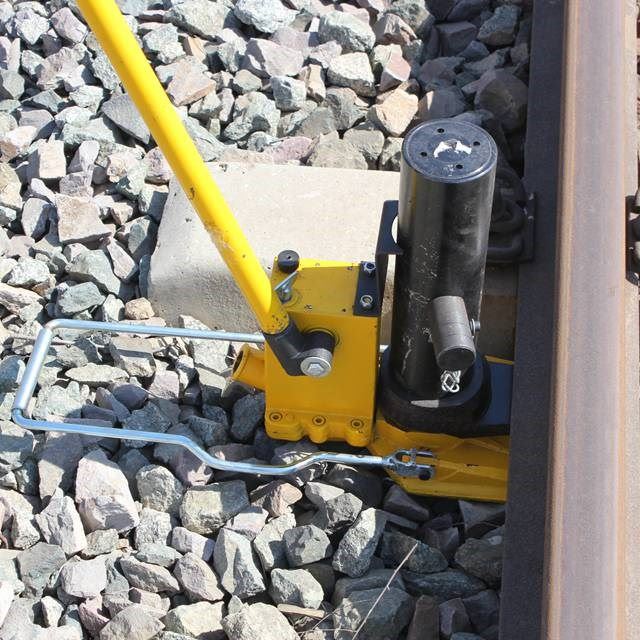
Before you start plotting a course, you need to have a good understanding of your rail jack. There are different types of rail jacks available, each with its own features and capabilities. For example, the GYQD - 196 High Stroke Hydraulic Rail Jack Rail Lifting Device is a high - performance option that offers a long stroke, which is great for lifting heavy rails to significant heights. On the other hand, the Mini Rail Gantry Crane Rail Lifting Tool is more compact and might be better suited for tight spaces or lighter lifting tasks. And then there's the Hydraulic Tie Spacer Hydraulic Rail Jack, which combines the functions of a tie spacer and a rail jack, providing added versatility.
You need to know the maximum lifting capacity of your rail jack, its working height range, and any specific operating requirements. This information will help you determine where and how to use the jack effectively.
Site Assessment
Once you know your rail jack inside out, it's time to assess the work site. Walk along the track and look for any signs of damage, such as cracked rails, loose ties, or uneven ballast. These issues can affect the stability of the rail jack and the overall safety of the operation.
Check the track alignment. If the rails are severely misaligned, you might need to make some preliminary adjustments before using the rail jack. Also, note the surrounding environment. Are there any obstacles that could interfere with the movement of the jack or the lifting process? For example, if there are trees, buildings, or other equipment nearby, you'll need to plan your course to avoid them.
Planning the Lifting Points
One of the most critical steps in plotting a course for a rail jack is determining the lifting points. You want to choose points that will provide a stable and even lift. Generally, it's best to lift the rail at the ties. The ties distribute the weight of the rail and provide a solid base for the jack.
However, you also need to consider the condition of the ties. If a tie is damaged or loose, it might not be a suitable lifting point. In such cases, you may need to look for the next closest stable tie or use additional support structures to ensure a safe lift.
When planning the lifting points, think about the sequence of lifting. You might not be able to lift the entire length of the rail at once. Instead, you'll likely need to lift it in sections. Plan how you'll move the jack along the track from one lifting point to the next, making sure to allow enough space for the jack to operate freely.
Safety Precautions
Safety should always be your top priority when working with rail jacks. Before you start the operation, make sure all workers are wearing the appropriate personal protective equipment (PPE), such as hard hats, safety glasses, and steel - toed boots.
Set up warning signs around the work area to alert other workers and passers - by. If possible, isolate the work area to prevent unauthorized access.
Inspect the rail jack thoroughly before use. Check for any leaks, damaged hoses, or loose parts. Make sure all controls are working properly. If you notice any issues, don't use the jack until it has been repaired.
Execution of the Plan
Once you've planned everything out, it's time to put your plan into action. Position the rail jack at the first lifting point carefully. Make sure it's level and stable on the ballast or other support surface.
Operate the jack slowly and steadily, following the manufacturer's instructions. As you lift the rail, keep an eye on the level of the rail and the stability of the jack. If you notice any signs of instability or uneven lifting, stop immediately and make the necessary adjustments.
As you move the jack to the next lifting point, be careful not to damage the rail or the surrounding track components. Take your time and make sure each step is carried out safely and accurately.
Monitoring and Adjustment
Even after you've lifted the rail to the desired height, your job isn't done. You need to monitor the position of the rail and the performance of the jack. Check the level of the rail regularly to ensure it remains in the correct position.
If you notice any settling or movement of the rail, you may need to make further adjustments with the jack. This could involve lifting or lowering the rail slightly to achieve the desired alignment.
Post - Operation Checks
Once the lifting operation is complete, it's important to do a post - operation check. Lower the rail slowly and carefully back to its original position or the adjusted position. Remove the rail jack from the work area and store it properly.
Inspect the track again to make sure there are no new signs of damage or instability. If you made any adjustments to the track, double - check that they are secure.
Why Choose Our Rail Jacks
As a supplier, we take pride in offering high - quality rail jacks that are designed to meet the needs of the railway industry. Our rail jacks are built to last, with durable materials and reliable components. They are also easy to operate, which means you can get the job done faster and with less hassle.
Whether you're a small - scale maintenance crew or a large - scale railway construction company, we have the right rail jack for you. Our GYQD - 196 High Stroke Hydraulic Rail Jack Rail Lifting Device, Mini Rail Gantry Crane Rail Lifting Tool, and Hydraulic Tie Spacer Hydraulic Rail Jack are just a few examples of the great products we offer.
Contact Us for Procurement
If you're interested in purchasing our rail jacks or have any questions about how to use them, don't hesitate to get in touch. We're here to help you find the best solutions for your railway maintenance and construction needs. Contact us today to start a procurement discussion, and let's work together to keep your railway operations running smoothly.
References
- Railway Maintenance Manuals
- Manufacturer's Guides for Rail Jacks
- Industry Standards for Railway Construction and Maintenance