




How does a Railway Driller ensure the verticality of drilled holes?
 Nov 11, 2025|
 As a supplier of railway drillers, I've witnessed firsthand the critical role that these machines play in the railway construction and maintenance industry. One of the most important aspects of using a railway driller is ensuring the verticality of the drilled holes. In this blog post, I'll share some insights on how a railway driller can achieve this crucial task.
Understanding the Importance of Verticality
Before delving into the methods of ensuring verticality, it's essential to understand why it matters. In railway construction, vertical holes are vital for several reasons. Firstly, they ensure that the fasteners, such as bolts and spikes, can be installed correctly. If the holes are not vertical, the fasteners may not fit properly, leading to loose connections that can compromise the stability of the railway tracks. Secondly, vertical holes contribute to the overall safety of the railway system. Misaligned holes can cause uneven stress distribution on the tracks, increasing the risk of track deformation and derailment.
Factors Affecting Hole Verticality
Several factors can affect the verticality of the holes drilled by a railway driller. These include the quality of the drilling equipment, the skill of the operator, and the condition of the railway tracks.
- Drilling Equipment: The design and quality of the railway driller play a significant role in hole verticality. A well - designed driller with a stable base and precise drilling mechanisms is more likely to produce vertical holes. For example, some of our high - end railway drillers are equipped with advanced alignment systems that help maintain the vertical position of the drill bit during the drilling process.
- Operator Skill: The experience and skill of the operator are also crucial. An experienced operator knows how to set up the driller correctly, adjust the drilling parameters, and monitor the drilling process to ensure verticality. They can also make real - time adjustments if they notice any deviations from the vertical.
- Track Condition: The condition of the railway tracks can impact hole verticality. If the tracks are uneven, warped, or have debris on the surface, it can be more challenging to drill vertical holes. In such cases, additional measures may need to be taken to prepare the track surface before drilling.
Methods to Ensure Hole Verticality
Here are some of the methods that can be employed to ensure the verticality of drilled holes using a railway driller.
Pre - Drilling Preparation
- Track Inspection: Before starting the drilling process, a thorough inspection of the railway tracks is necessary. The operator should check for any signs of damage, unevenness, or debris on the track surface. If any issues are found, they should be addressed before drilling. For example, if the track is uneven, shims can be used to level the base of the driller.
- Driller Setup: Proper setup of the railway driller is crucial for achieving vertical holes. The driller should be placed on a stable and level surface. The operator should use leveling tools, such as spirit levels, to ensure that the driller is perfectly horizontal. This helps to keep the drill bit in a vertical position during the drilling process.
Use of Alignment Systems
- Mechanical Alignment: Some railway drillers are equipped with mechanical alignment systems. These systems use physical guides and fixtures to ensure that the drill bit is perpendicular to the track surface. For example, a guide sleeve can be used to keep the drill bit in a vertical position as it penetrates the track.
- Laser Alignment: Laser alignment systems are becoming increasingly popular in modern railway drillers. These systems project a laser beam onto the track surface, which serves as a reference for verticality. The operator can adjust the position of the driller until the drill bit aligns with the laser beam, ensuring a vertical hole.
Real - Time Monitoring and Adjustment
- Operator Observation: During the drilling process, the operator should continuously monitor the position of the drill bit. They can use visual cues, such as the alignment of the drill bit with the track surface, to detect any deviations from the vertical. If a deviation is noticed, the operator can make immediate adjustments to correct it.
- Sensor - Based Monitoring: Some advanced railway drillers are equipped with sensors that can monitor the verticality of the drill bit in real - time. These sensors can detect even small deviations and provide feedback to the operator. For example, an inclinometer sensor can measure the angle of the drill bit and send an alert if it deviates from the vertical.
Our Railway Driller Solutions
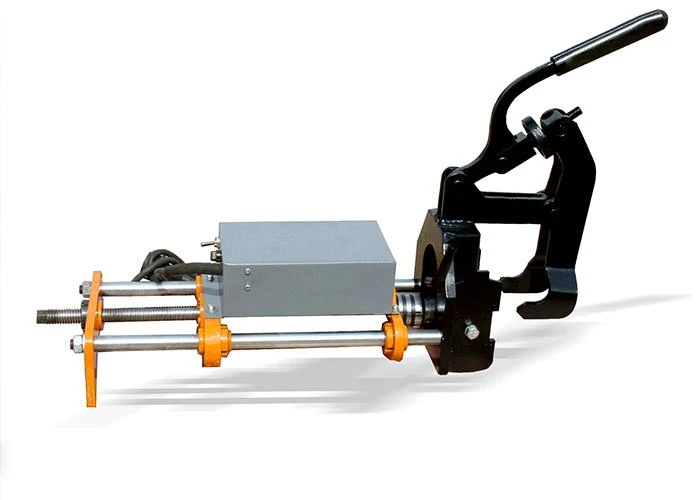
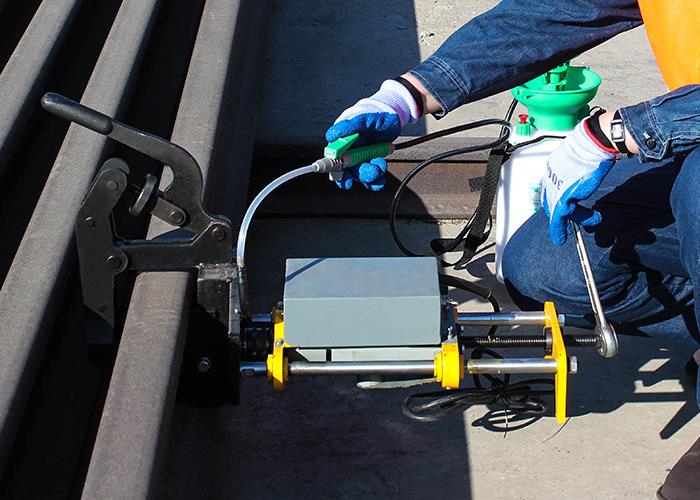
As a supplier of railway drillers, we offer a range of products that are designed to ensure the verticality of drilled holes. Our ZG - 13 Electric Rail Drilling Machine is a prime example. It features a robust design with a stable base and a precise drilling mechanism. The machine is also equipped with a mechanical alignment system that helps to maintain the verticality of the drill bit.
In addition, we provide comprehensive training for our customers' operators. Our training programs cover all aspects of using the railway drillers, including how to ensure the verticality of drilled holes. We believe that by combining high - quality equipment with well - trained operators, we can help our customers achieve the best results in railway construction and maintenance.
Related Knowledge and Resources
If you want to learn more about railway components and related equipment, we have some great resources for you. For example, you can check out our article What Do You Know About Wing Rails?, which provides in - depth information about wing rails. And if you're interested in hydraulic switch tamping machines, our article Do You Know It? Hydraulic Switch Tamping Machine is a must - read.
Contact Us for Procurement
If you're in the market for a reliable railway driller that can ensure the verticality of drilled holes, we'd love to hear from you. Our team of experts can provide you with detailed information about our products, answer your questions, and help you choose the right railway driller for your needs. Whether you're working on a large - scale railway construction project or a small - scale maintenance job, we have the solutions to meet your requirements.
References
- Railway Construction Handbook: This handbook provides comprehensive information on all aspects of railway construction, including drilling techniques and hole verticality requirements.
- Technical Manuals of Railway Drillers: The technical manuals of our railway drillers contain detailed information about the features and functions of the machines, as well as guidelines on ensuring hole verticality.
- Industry Research Papers: There are several research papers published in the field of railway engineering that discuss the importance of hole verticality and the methods to achieve it. These papers provide valuable insights and references for our work.