




How does a Track Cutter work?
 Nov 04, 2025|
 Hey there! If you're in the railroad industry or involved in any projects that deal with tracks, you've probably heard of track cutters. As a track cutter supplier, I'm here to break down how these nifty machines work.
The Basics of a Track Cutter
First off, let's understand what a track cutter is. It's a specialized piece of equipment designed to cut through railway tracks with precision. Tracks are made of tough materials like steel, so you need a powerful and reliable tool to get the job done.
There are different types of track cutters out there, each with its own unique way of working. But in general, they all have a few key components that work together to make the cutting process possible.
Key Components
1. Cutting Blade
The cutting blade is the heart of the track cutter. It's usually made of high - strength materials like tungsten carbide or diamond - tipped steel. These materials can withstand the high pressures and friction generated during the cutting process. The blade is designed with sharp teeth or edges that can bite into the track and slice through it. The shape and size of the blade depend on the type of track and the desired cutting depth.
2. Power Source
Track cutters need a power source to operate. There are a few common options:
- Electric Power: Some track cutters are powered by electricity. They're great for indoor or well - ventilated areas. Electric track cutters are often more energy - efficient and quieter compared to other types. They can be easily plugged into a power outlet, and the power supply provides a consistent and reliable source of energy for the cutting blade.
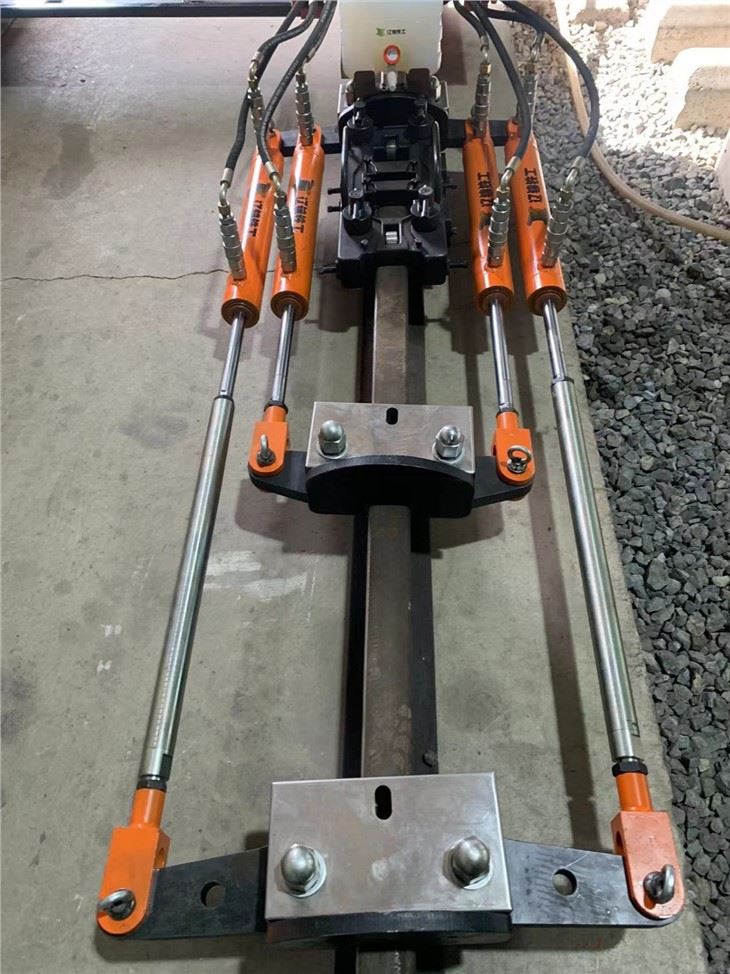
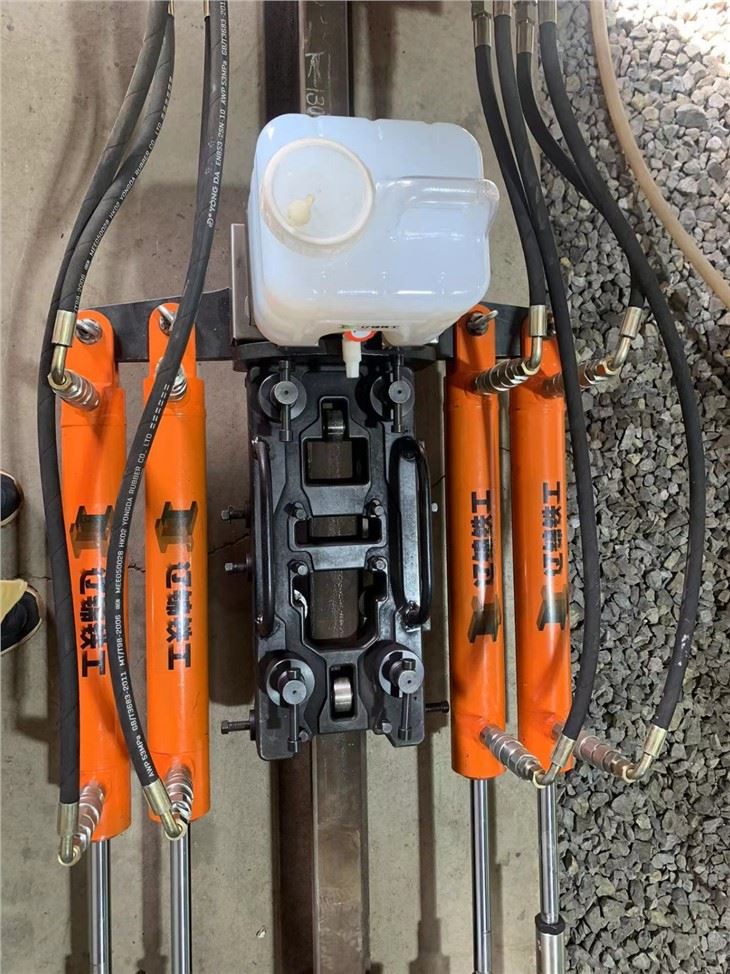
- Hydraulic Power: Hydraulic track cutters use hydraulic fluid to generate power. The hydraulic system can provide a lot of force, which is useful for cutting through thick and tough tracks. These machines are often used in heavy - duty industrial applications. The hydraulic pump pressurizes the fluid, which then drives the cutting blade.
- Internal Combustion Engine: Internal Combustion Rail Cutting Machine is powered by gasoline or diesel engines. They're highly portable and can be used in remote locations where there's no access to electricity. The engine drives a transmission system that transfers power to the cutting blade.
3. Frame and Housing
The frame and housing of the track cutter provide support and protection for the other components. They're usually made of sturdy materials like steel or aluminum. The frame holds the cutting blade, power source, and other parts in place, ensuring that they work together smoothly. The housing also protects the operator from flying debris and provides a safe working environment.
How the Cutting Process Works
Now that we know the key components, let's take a look at how the cutting process works step by step.
Step 1: Setup
Before starting the cutting process, the operator needs to set up the track cutter properly. This includes positioning the machine on the track, adjusting the cutting depth and angle, and ensuring that all the components are in good working condition. The operator also needs to wear appropriate safety gear, such as goggles, gloves, and ear protection.
Step 2: Power On
Once the setup is complete, the operator turns on the power source. If it's an electric track cutter, they simply plug it in and switch it on. For hydraulic or internal combustion - powered machines, the operator needs to follow the startup procedures specific to the power source.
Step 3: Initiating the Cut
As the power is supplied to the cutting blade, it starts to rotate at a high speed. The operator then slowly guides the track cutter along the track, applying gentle pressure to the machine. The sharp blade bites into the track, and as it rotates, it gradually cuts through the steel.
Step 4: Monitoring and Adjusting
During the cutting process, the operator needs to monitor the progress. They need to make sure that the cutting is straight and at the desired depth. If necessary, they can adjust the speed or pressure of the machine to ensure a clean and precise cut.
Step 5: Completing the Cut
Once the blade has cut through the entire track, the operator stops the machine and releases the pressure. The track cutter is then removed from the track, and the cut section can be further processed or removed as needed.
Additional Features and Their Functions
Some track cutters come with additional features that enhance their functionality and usability.
Grinding Function
Some track cutters, like the Automatic Hydraulic Rail Fat Edge Grinding Machine, have a grinding function. After cutting the track, the grinding feature can be used to smooth out the edges of the cut. This is important for ensuring a proper fit when the track sections are joined together. The grinding wheel rotates at a high speed and removes any rough edges or burrs on the track surface.
Portable Design
Portability is a key feature for many track cutters, especially those used in fieldwork. Machines like the SNGM - 180 Portable Rail Grinding Machine are designed to be lightweight and easy to carry. They often come with handles or wheels, making it convenient to transport them from one location to another.
Safety Features
Safety is always a top priority when using track cutters. Many machines are equipped with safety features such as emergency stop buttons, blade guards, and anti - kickback devices. The emergency stop button allows the operator to quickly shut down the machine in case of an emergency. Blade guards protect the operator from contact with the rotating blade, and anti - kickback devices prevent the machine from suddenly jerking back during the cutting process.
Why Choose Our Track Cutters
As a track cutter supplier, we offer high - quality track cutters that are designed to meet the needs of various applications. Our machines are built with the latest technology and use top - grade materials, ensuring durability and reliability.
We have a wide range of track cutters in different sizes, power sources, and with various features. Whether you need a small, portable track cutter for a simple job or a heavy - duty machine for large - scale railway projects, we've got you covered. Our team of experts is always ready to provide technical support and advice to help you choose the right track cutter for your specific requirements.
If you're interested in purchasing a track cutter or have any questions about our products, don't hesitate to reach out. We're looking forward to starting a conversation and discussing how our track cutters can benefit your projects. You can contact us to start the procurement negotiation process and find the best solution for your business.
References
- Railway Engineering Handbook, various editions
- Manufacturers' technical manuals for track cutters