




What are the main functions of a Track Cutter?
 Nov 03, 2025|
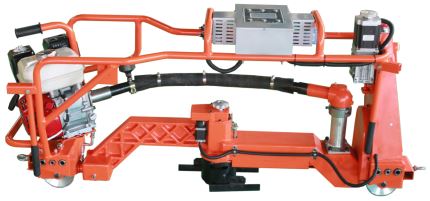
 A track cutter is an indispensable piece of equipment in the railway maintenance and construction industry. As a leading track cutter supplier, I have witnessed firsthand the diverse and crucial functions that these machines perform. In this blog, I will delve into the main functions of a track cutter, highlighting its significance in ensuring the safety and efficiency of railway systems.
Precision Cutting of Rails
One of the primary functions of a track cutter is to precisely cut rails. Whether it's for track installation, repair, or replacement, accurate rail cutting is essential. Track cutters are designed to make clean and straight cuts through various types of rails, including heavy - duty steel rails used in mainline railways and lighter rails for industrial or tram tracks.
The ability to cut rails with high precision is crucial for maintaining the integrity of the railway track. A well - cut rail ensures a proper fit when joining sections together, which is vital for the smooth running of trains. It also helps to prevent issues such as uneven wear, derailment risks, and excessive noise during train operations. For example, when replacing a damaged section of rail, a track cutter can be used to remove the faulty part and prepare the new rail with accurate cuts, ensuring seamless integration into the existing track.
Adaptability to Different Rail Types and Sizes
Track cutters are highly adaptable machines that can handle a wide range of rail types and sizes. From standard gauge rails used in most national railway networks to narrow - gauge rails in some industrial or tourist railways, track cutters can be adjusted to make appropriate cuts.
This adaptability is a significant advantage as it allows railway maintenance crews to use a single machine for different projects. Whether working on a large - scale high - speed rail project or a small - scale local railway upgrade, the track cutter can be configured to meet the specific requirements of the rail being cut. It can also accommodate different rail profiles, such as flat - bottomed rails and grooved rails, ensuring that it remains a versatile tool in the railway industry.
Quick and Efficient Cutting Operations
In the railway industry, time is of the essence. Track cutters are designed to perform cutting operations quickly and efficiently. With advanced cutting technologies and powerful motors, these machines can cut through rails in a relatively short period.
This efficiency is crucial for minimizing track downtime. When a rail needs to be replaced or repaired, a fast - acting track cutter can complete the cutting process rapidly, allowing the maintenance work to proceed without causing long - term disruptions to train services. For instance, in a busy railway station where trains operate at frequent intervals, a quick - cutting track cutter can help to carry out maintenance during short - term track closures, ensuring that normal train operations can resume as soon as possible.
Preparation for Rail Joints
Proper preparation of rail joints is essential for the long - term stability and safety of the railway track. Track cutters play a key role in this process by cutting the rails to the correct length and shape for joining.
Before a rail joint is made, the ends of the rails need to be cut precisely to ensure a tight and secure connection. Track cutters can create smooth and straight cuts at the appropriate angles, which are necessary for the installation of joint bars or other types of rail connectors. A well - prepared rail joint reduces the risk of joint failure, which can lead to track instability and potential derailments. It also helps to maintain the continuity of the electrical circuit in the rail, which is important for signaling systems.
On - Site Cutting Capability
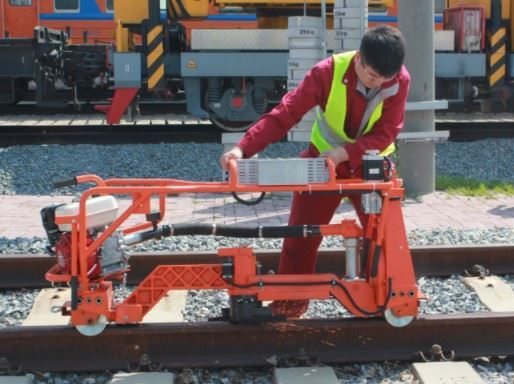
Another important function of track cutters is their ability to perform on - site cutting. Railway maintenance and construction often take place in remote or hard - to - reach locations, and transporting pre - cut rails to these sites can be challenging and costly.
Track cutters can be easily transported to the work site and set up for immediate use. This on - site cutting capability allows railway crews to make adjustments to the rails as needed, based on the actual conditions of the track. For example, if an unexpected obstacle is encountered during track installation, the track cutter can be used to cut the rails to a different length or shape on the spot, ensuring that the project can proceed smoothly.
Complementary to Other Railway Maintenance Equipment
Track cutters work in conjunction with other railway maintenance equipment to ensure comprehensive track upkeep. For example, after a rail is cut using a track cutter, it may need to be ground to smooth the cut edges. This is where equipment like the Internal Combustion Rail Waist Grinding Machine comes in. It can be used to refine the cut surface of the rail, improving its overall quality and reducing the risk of wear and tear.
Similarly, the NGM - 4.8 Digital Display Rail Grinding Machine can be used for more precise and detailed grinding operations, especially for high - speed railway tracks where smooth rail surfaces are crucial. And the Internal Combustion Abrasive Rail can be used in combination with the track cutter for specific cutting and finishing tasks, enhancing the overall efficiency of the railway maintenance process.
Safety - Oriented Design
Track cutters are designed with safety as a top priority. They are equipped with various safety features to protect the operators and the surrounding environment. For example, many track cutters have safety guards to prevent accidental contact with the cutting blade. They also have emergency stop buttons that can be used to immediately halt the cutting operation in case of an emergency.
In addition, the machines are designed to minimize the generation of dust and debris during the cutting process. This not only protects the health of the operators but also reduces the impact on the surrounding environment. Some track cutters are also equipped with noise - reducing features, which is beneficial in areas where noise pollution needs to be controlled.
Cost - Effective Solution for Railway Maintenance
From a cost - effectiveness perspective, track cutters offer significant advantages. By enabling on - site cutting, they reduce the need for transporting pre - cut rails, which can be expensive due to logistics costs. They also have a relatively long service life with proper maintenance, which means that the initial investment in a track cutter can be spread over a long period.
Moreover, the efficiency of track cutters in reducing track downtime can lead to cost savings for railway operators. Fewer disruptions to train services mean less loss of revenue due to delays and cancellations. In the long run, the use of track cutters can contribute to the overall cost - effectiveness of railway maintenance and construction projects.
Conclusion
In conclusion, track cutters are essential tools in the railway industry, performing a wide range of functions that are crucial for the safety, efficiency, and cost - effectiveness of railway systems. Their ability to make precise cuts, adapt to different rail types and sizes, perform quick and efficient operations, and work in conjunction with other maintenance equipment makes them indispensable for railway maintenance and construction projects.
If you are in the railway industry and are looking for high - quality track cutters, I invite you to contact us for a detailed discussion on your specific needs. We are committed to providing the best solutions to meet your requirements and ensure the smooth operation of your railway projects.
References
- Railway Engineering Handbook, various editions
- Journal of Railway Maintenance and Construction, multiple issues
- Manufacturer's manuals for track cutters and related railway maintenance equipment