




How does a track tamper ensure the alignment of the tracks?
 May 15, 2025|
 Hey there! As a supplier of track tampers, I often get asked about how these machines ensure the alignment of the tracks. Well, let's dive right into it and break down the whole process.
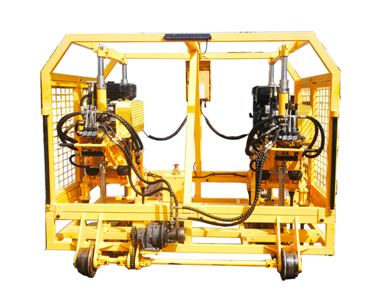
First off, what the heck is a track tamper? A track tamper, or Rail Tamper Machine (also known as rail tamping machine), is a piece of heavy - duty equipment used in railway maintenance. Its main job is to pack the ballast (the crushed stones under the railway tracks) tightly around the sleepers (ties), which in turn helps to keep the tracks in the right position.
Now, let's talk about why track alignment is so important. When trains are running at high speeds, even the slightest misalignment of the tracks can cause a whole bunch of problems. It can lead to excessive wear and tear on the train wheels and the tracks themselves. More seriously, it can compromise the safety of the train, increasing the risk of derailment. So, ensuring proper track alignment is crucial for both the longevity of the railway infrastructure and the safety of passengers and freight.
So, how does a track tamper achieve this alignment? Well, it all starts with the design and technology built into these machines. Most modern track tampers are equipped with advanced measurement systems. These systems use lasers, sensors, and GPS technology to accurately measure the current position of the tracks. They can detect any deviations from the ideal alignment, whether it's a sideways shift, a vertical misalignment, or a combination of both.
Once the measurement system has identified the areas that need adjustment, the tamper gets to work. The tamping unit of the machine consists of a set of tamping tools, usually tines. These tines are inserted into the ballast on either side of the sleepers. The machine then vibrates these tines at a high frequency while applying downward pressure. This vibration and pressure cause the ballast particles to rearrange themselves, packing more tightly around the sleepers.
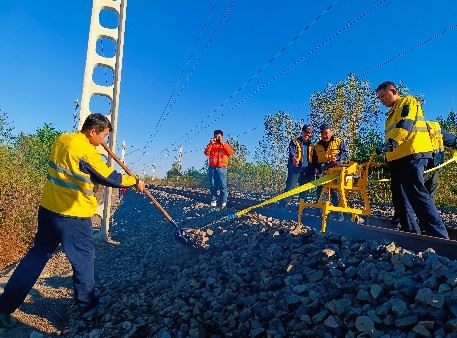
As the ballast is packed, it provides a more stable foundation for the tracks. This helps to correct any minor misalignments in the vertical direction. For example, if a section of the track is sagging, the tamping process can lift it back up to the correct level by compacting the ballast underneath.
But what about sideways alignment? Well, many track tampers are also equipped with lateral adjustment mechanisms. These can be hydraulic or mechanical systems that can push or pull the tracks into the correct position. The measurement system guides these adjustments, ensuring that the tracks are realigned within the specified tolerance.
Let's take a closer look at some of the features of our track tampers that make them so effective at ensuring track alignment. Our YD - 22III Automatic Remote Control Hydraulic Rail Tamping Machine is a prime example. It comes with a state - of - the - art control system that allows operators to precisely control the tamping process. The remote control feature means that the operator can stand at a safe distance while still having full control over the machine's functions.
The hydraulic system in this machine provides powerful and precise movements. It can adjust the pressure applied to the tines, as well as the depth to which they are inserted into the ballast. This level of control is essential for achieving the right amount of compaction and alignment.
Another important aspect is the durability of the tamping tools. Our machines are equipped with high - quality tines that are designed to withstand the harsh conditions of railway maintenance. They are made from strong materials that can resist wear and tear, ensuring that they can perform effectively over a long period of time.
In addition to the main tamping function, some of our track tampers also have additional features that contribute to overall track maintenance. For example, our Internal Combustion Slope Protection Shaping Machine can be used to shape the slopes around the tracks. This helps to prevent ballast from spreading and also improves the stability of the trackbed.
When it comes to the operation of a track tamper, trained operators are key. They need to understand how to use the measurement systems, adjust the machine settings, and operate the tamping and alignment mechanisms. Our company provides comprehensive training for operators, ensuring that they can get the most out of our machines.
During the tamping process, operators need to be constantly vigilant. They need to monitor the alignment measurements, the performance of the tamping tools, and the overall condition of the tracks. If any issues are detected, they can make immediate adjustments to ensure that the tracks are being realigned correctly.
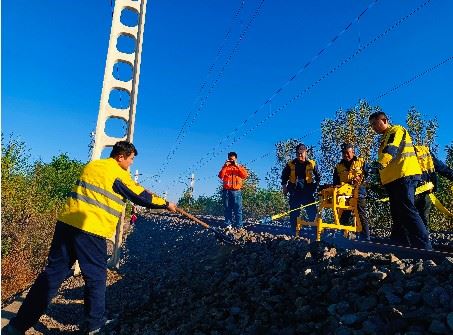
After the tamping is complete, the tracks are usually re - measured to ensure that the alignment is within the acceptable range. If necessary, additional tamping or alignment adjustments can be made. This iterative process helps to ensure that the tracks are in the best possible condition.
In conclusion, a track tamper plays a vital role in ensuring the alignment of railway tracks. Through advanced measurement systems, powerful tamping mechanisms, and precise adjustment features, these machines can correct both vertical and lateral misalignments. Our track tampers, with their high - quality construction and innovative design, are at the forefront of railway maintenance technology.
If you're in the market for a reliable track tamper, we'd love to talk to you. Whether you're a railway operator looking to maintain your existing tracks or a construction company building new railway lines, our machines can meet your needs. Contact us for more information and let's start a conversation about how we can help you keep your tracks in top shape.
References
- Railway Maintenance Handbook: Principles and Practices
- Advanced Technologies in Track Alignment and Maintenance