




How does rail adjustment ensure the accuracy of track gauge?
 Nov 20, 2025|
 Hey there! As a supplier in the rail adjustment business, I've seen firsthand how crucial it is to ensure the accuracy of track gauge. In this blog, I'm gonna break down the ins and outs of how rail adjustment plays a key role in maintaining that all - important track gauge accuracy.
Let's start with the basics. What exactly is track gauge? Well, it's the distance between the inner sides of the two parallel rails on a railway track. And getting this distance just right is super important. If the track gauge is too wide or too narrow, it can lead to all sorts of problems, like derailments, excessive wear and tear on train wheels and rails, and a less smooth and safe ride for passengers and cargo.
So, how does rail adjustment fit into this picture? Rail adjustment is all about making those precise changes to the position and alignment of the rails to keep the track gauge within the acceptable limits. There are several methods and tools we use to achieve this, and I'm gonna walk you through some of them.
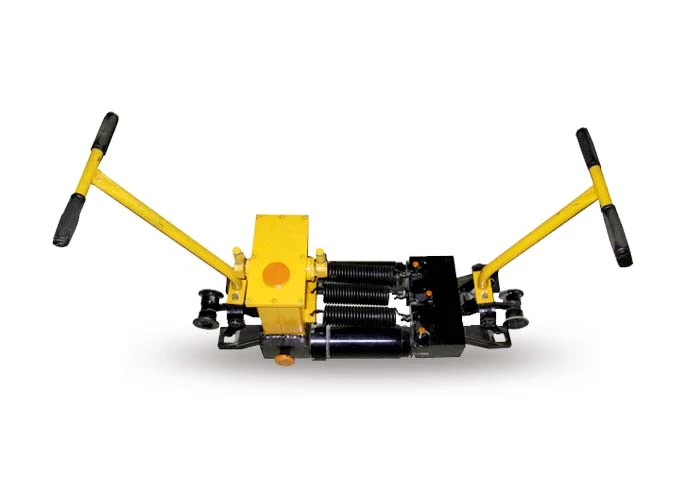
One of the most common tools we offer is the Track Adjustment ------ Hydraulic Track Gap Adjuster (one - way). This bad boy is a real workhorse in the rail adjustment world. It uses hydraulic power to apply a controlled force to the rails, allowing us to move them into the correct position. The one - way feature means it can be used in a specific direction to close or open the track gap as needed.
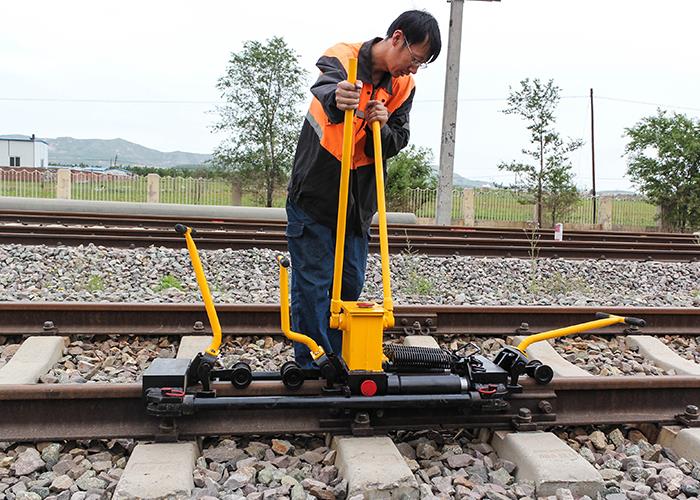
The way it works is pretty straightforward. First, we position the hydraulic track gap adjuster at the appropriate location along the rail. Then, we activate the hydraulic system, which generates a powerful force. This force is transferred to the rails, pushing or pulling them to adjust the track gauge. The hydraulic system gives us a high level of control, so we can make very precise adjustments.
Another great product in our lineup is the YTF 400 II Good Quality Hydraulic Rail Gap Adjuster. This adjuster is known for its reliability and high performance. It has a larger capacity compared to some other models, which means it can handle more demanding rail adjustment tasks. Whether we're dealing with heavy - duty railway tracks or tracks in areas with high traffic, the YTF 400 II can get the job done.
The YTF 400 II has some advanced features that make it stand out. For example, it has a more efficient hydraulic pump, which allows for faster and smoother operation. It also has a robust frame design that can withstand the high forces generated during the rail adjustment process. This means less downtime for maintenance and more time for getting the tracks in top - notch condition.
Then there's the YTF 250 Hydraulic Rail Gap Adjuster. This is a more compact and lightweight option, perfect for smaller - scale rail adjustment projects or areas where space is limited. Don't let its size fool you, though. It still packs a punch when it comes to adjusting the track gauge accurately.
The YTF 250 is easy to maneuver and operate. It can be quickly set up at the work site, and its controls are intuitive, even for less - experienced operators. This makes it a great choice for railway maintenance teams that need a versatile and user - friendly tool.
But it's not just about the tools. We also have a team of experts who are well - trained in rail adjustment techniques. They understand the science behind track gauge accuracy and know how to use our tools effectively. Before starting any rail adjustment project, our experts conduct a thorough inspection of the tracks. They measure the existing track gauge at multiple points along the track to identify any areas that need adjustment.
Based on these measurements, they develop a detailed adjustment plan. This plan takes into account factors like the type of track, the traffic volume, and the environmental conditions. For example, in areas with extreme temperature variations, the rails may expand and contract more, so we need to make different adjustments compared to more stable environments.
During the adjustment process, our experts use our tools to make the necessary changes to the rails. They continuously monitor the track gauge using precision measuring devices to ensure that the adjustments are accurate. Once the adjustments are made, they conduct a final inspection to confirm that the track gauge is within the required tolerance.
In addition to using hydraulic adjusters, we also use other methods for rail adjustment. For example, we sometimes use mechanical fasteners to secure the rails in the correct position. These fasteners can be tightened or loosened to make small adjustments to the track gauge. We also use shims, which are thin pieces of material that can be inserted between the rail and the sleepers to change the height and alignment of the rail.
Rail adjustment is an ongoing process. Railway tracks are constantly subjected to wear and tear from train traffic, weather conditions, and other factors. This means that regular maintenance and adjustment are essential to keep the track gauge accurate over time. We recommend that railway operators schedule regular track inspections and adjustments to prevent any potential problems.
If you're in the railway industry and need reliable rail adjustment solutions, we're here to help. Our products are designed to provide accurate and efficient rail adjustment, and our team of experts is ready to offer you the support and advice you need. Whether you have a small - scale project or a large - scale railway network, we have the tools and expertise to ensure the accuracy of your track gauge.
So, if you're interested in learning more about our rail adjustment products or have any questions about track gauge accuracy, don't hesitate to reach out. We're always happy to have a chat and discuss how we can meet your specific needs. Let's work together to keep your railway tracks in the best possible condition.
References
- Railway Engineering textbooks
- Industry reports on rail maintenance and adjustment