




What safety precautions should be taken when operating a Railway Driller?
 Nov 19, 2025|
 Hey there! As a supplier of Railway Drillers, I've seen firsthand how crucial it is to take proper safety precautions when operating these machines. In this blog, I'll share some essential safety tips to keep in mind when using a Railway Driller.
Pre - operation Checks
Before you even start the Railway Driller, there are a bunch of checks you need to do. First off, examine the machine thoroughly. Look for any signs of damage, like cracks in the body, loose parts, or frayed wires. If you spot anything wrong, don't use the machine until it's fixed. You don't want a small issue turning into a big accident.
Check the fuel and oil levels. Just like a car, a Railway Driller needs the right amount of fuel and oil to run smoothly. Low levels can cause the machine to overheat or malfunction, which is a huge safety risk. Also, make sure the coolant is at the appropriate level if your driller has a cooling system.
Inspect the drilling bits. They should be sharp and in good condition. Dull or damaged bits not only make the drilling process less efficient but can also break during operation, sending pieces flying around.
The operator should also be well - equipped with the right personal protective equipment (PPE). This includes safety glasses to protect your eyes from flying debris, ear protection because these machines can be really loud, and steel - toed boots to safeguard your feet from heavy objects. Gloves are also a must to provide a good grip on the machine and protect your hands from cuts and abrasions.
Setting Up the Driller
When you're setting up the Railway Driller, choose a stable and level surface. An uneven surface can cause the machine to tip over during operation, which is extremely dangerous. Make sure the area around the drilling site is clear of any obstacles, people, or other equipment.
Secure the driller properly. Most Railway Drillers come with clamps or other securing mechanisms. Use them to firmly attach the driller to the rail or the surface you're drilling on. This prevents the machine from moving around while it's in use, reducing the risk of accidents.
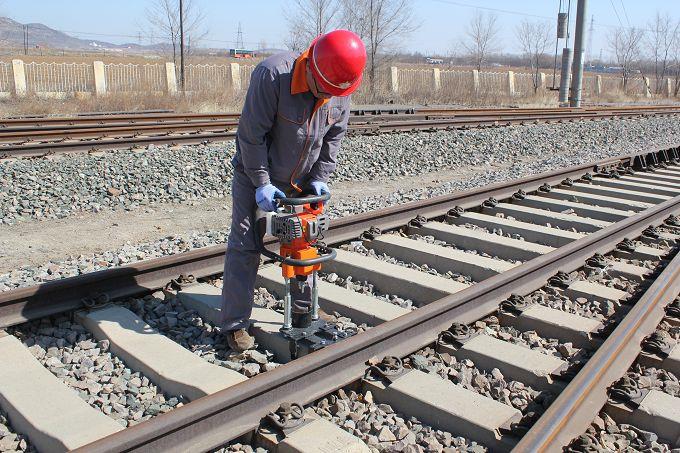
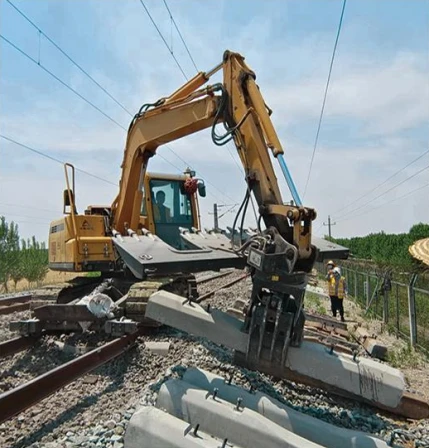
Adjust the drilling depth and speed settings according to the requirements of the job. If you set the speed too high for the material you're drilling, it can cause the bit to break or the machine to vibrate excessively. On the other hand, if the speed is too low, it can be inefficient and may also lead to overheating.
During Operation
Once the driller is up and running, keep a firm grip on it at all times. The vibration from the machine can make it difficult to control, so a good grip is essential. Don't try to force the drill through the material. Let the machine do its job at its own pace. Applying too much pressure can damage the bit and the machine, and it can also be dangerous for the operator.
Pay close attention to the drilling process. Listen for any unusual noises, like grinding or rattling. These could be signs of a problem, such as a misaligned bit or a mechanical issue. If you hear anything strange, stop the machine immediately and investigate.
Keep bystanders at a safe distance. Flying debris can travel a long way, so make sure there are no unauthorized people in the vicinity of the drilling site. Also, avoid wearing loose clothing or jewelry that could get caught in the moving parts of the machine.
Maintenance and Post - operation
After you're done with the drilling job, turn off the machine and let it cool down. Don't try to disassemble or clean it while it's still hot. Once it's cooled, clean the driller thoroughly. Remove any debris, dust, or oil from the machine. This not only helps to keep the machine in good working condition but also reduces the risk of fire hazards.
Regular maintenance is key to the safe operation of a Railway Driller. Follow the manufacturer's maintenance schedule. This may include tasks like changing the oil, lubricating the moving parts, and replacing worn - out components. A well - maintained machine is less likely to break down and cause accidents.
Now, let me tell you about some of the great products we offer. We have the NLQ - 45 High Efficient Internal Combustion Concrete Sleeper Bolt Drilling and Pulling Machine. This machine is designed for high - efficiency work and comes with all the necessary safety features to ensure a smooth and safe operation.
Another product is the Railway Product Li - Battery Powered Rail Bolt Wrench. It's a reliable tool for tightening and loosening bolts on the railway, and it's powered by a long - lasting lithium - battery.
We also have the Railway Ballast Blaster Undercutter, which is great for working on the ballast under the rails. All our products are designed with safety in mind, and we make sure they meet the highest industry standards.
If you're in the market for a Railway Driller or any of our other products, we'd love to have a chat with you. Whether you're a small - scale contractor or a large railway company, we can provide you with the right equipment for your needs. Feel free to reach out to us to discuss your requirements and get a quote. We're here to help you get the job done safely and efficiently.
References
- Railway Equipment Manufacturer's Manuals
- Occupational Safety and Health Administration (OSHA) Guidelines for Heavy Machinery Operation
- Industry Best Practices for Railway Construction and Maintenance