




What types of railways can a Railway Driller be used for?
 Nov 19, 2025|
 As a seasoned supplier of railway drillers, I've witnessed firsthand the versatility and importance of these powerful machines across various types of railways. In this blog, I'll explore the different railway systems where a railway driller can be effectively employed, highlighting their unique features and requirements.
1. Conventional Railways
Conventional railways, also known as mainline railways, are the most common type of railway system worldwide. They are used for long - distance passenger and freight transportation. These railways typically consist of standard gauge tracks, usually 1435 mm, and are designed to handle heavy loads and high - speed trains.
Railway drillers play a crucial role in the construction and maintenance of conventional railways. During the construction phase, drillers are used to create holes in the rails and sleepers for the installation of fasteners. This ensures a secure connection between the rails and the sleepers, providing stability and safety for the trains. For example, when laying new tracks, drillers can precisely drill holes at the required intervals, allowing for the proper placement of bolts and clips.
In terms of maintenance, railway drillers are used to replace worn - out fasteners. Over time, the constant movement of trains can cause the fasteners to loosen or become damaged. By using a railway driller, maintenance crews can quickly and accurately drill new holes to install fresh fasteners, ensuring the integrity of the track.
2. High - Speed Railways
High - speed railways are a specialized type of railway system designed for trains that can travel at speeds of over 200 km/h. These railways require a high level of precision and quality in their construction and maintenance to ensure the safety and comfort of passengers.
The construction of high - speed railways demands extremely accurate drilling. The rails need to be perfectly aligned, and the holes for fasteners must be drilled with high precision to minimize vibrations and ensure smooth train operation. Railway drillers used in high - speed railway projects are often equipped with advanced technology, such as laser guidance systems, to ensure the accuracy of the drilling process.
For maintenance, high - speed railways have strict inspection and repair schedules. Railway drillers are used to address any issues related to the fasteners promptly. Since high - speed trains exert greater forces on the tracks, the fasteners need to be in optimal condition. A reliable railway driller can help maintain the high - quality standards required for high - speed rail operations.
3. Urban Rail Transit Systems
Urban rail transit systems, including subways, light rails, and tramways, are essential for urban transportation. These systems are designed to carry large numbers of passengers within cities, providing a convenient and efficient alternative to road transportation.
In the construction of urban rail transit systems, railway drillers are used in confined spaces. Subway construction, for example, often takes place underground, where space is limited. Compact and maneuverable railway drillers are preferred in such situations. They can be easily transported to the construction site and operated in narrow tunnels.
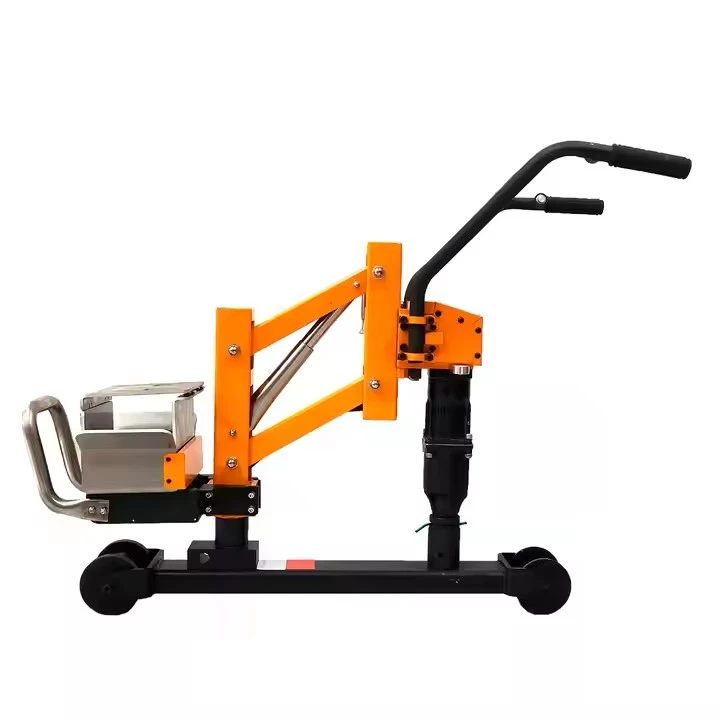
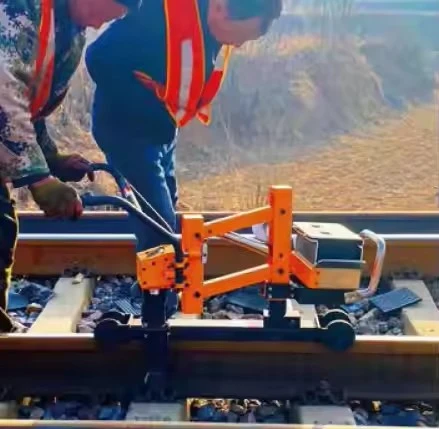
For light rails and tramways, which are often integrated into the urban streetscape, railway drillers need to be quiet and efficient. Since these systems are located in densely populated areas, minimizing noise pollution is crucial. Some modern railway drillers are designed with noise - reduction features, making them suitable for urban rail transit projects.
Maintenance of urban rail transit systems also relies on railway drillers. Regular inspection and replacement of fasteners are necessary to ensure the safety of passengers. Railway drillers can quickly and effectively drill holes for new fasteners, minimizing service disruptions.
4. Mining Railways
Mining railways are used in the mining industry to transport minerals and other materials within mines. These railways are often subjected to harsh conditions, including heavy loads, rough terrain, and exposure to dust and moisture.
Railway drillers for mining railways need to be robust and durable. The tracks in mining areas are prone to wear and tear due to the heavy loads carried by the trains. Drill holes may need to be redrilled more frequently to replace damaged fasteners. A reliable railway driller can withstand the tough environment and perform consistently.
In addition, mining railways may have non - standard gauge tracks depending on the specific requirements of the mine. Railway drillers need to be adaptable to different track gauges to ensure proper installation and maintenance of the tracks.
Complementary Equipment for Railway Construction and Maintenance
In addition to railway drillers, there are other important pieces of equipment used in railway projects. For example, the Railway Tamping Machine is used to pack the ballast under the sleepers, ensuring proper support for the tracks. It helps to maintain the correct track alignment and level, which is crucial for the safe operation of trains.
The Double Lithium Battery Powered Rail Bolt Wrench Battery Powered Walking Cantilever Wrench is another useful tool. It is used to tighten and loosen rail bolts, providing a convenient and efficient way to install and remove fasteners.
The High Quality Smart Rail Tamping Machine Unit combines advanced technology with tamping functionality. It can automatically adjust the tamping force and frequency according to the track conditions, improving the efficiency and quality of track maintenance.
Conclusion
As a supplier of railway drillers, I understand the diverse needs of different railway systems. Our railway drillers are designed to meet the specific requirements of each type of railway, whether it's the high - precision demands of high - speed railways or the durability needed for mining railways.
If you are involved in railway construction or maintenance projects, and you are looking for reliable railway drillers or other related equipment, we are here to help. Our products are of high quality and are backed by our professional technical support. We invite you to contact us for more information and to discuss your procurement needs. We look forward to the opportunity to work with you and contribute to the success of your railway projects.
References
- "Railway Engineering Handbook" by William W. Hay
- "High - Speed Rail Technology" by E. J. Waygood
- "Urban Rail Transit: Planning, Design, and Operation" by Yosef Yeshimoto