




How often are railway vehicles maintained?
 Sep 16, 2025|
 Hey there! I'm a supplier of railway vehicles, and I often get asked, "How often are railway vehicles maintained?" Well, let's dive right into this topic.
First off, the maintenance frequency of railway vehicles depends on a bunch of factors. One of the most important ones is the type of vehicle. For instance, high - speed trains are under a lot more stress compared to local commuter trains. High - speed trains can reach speeds of over 200 miles per hour in some cases. At such high speeds, every component of the train is subjected to extreme forces. So, these bad boys need to be maintained more frequently.
Typically, high - speed trains go through a light maintenance check every 10,000 to 20,000 kilometers. This light check mainly focuses on the exterior of the train, like the condition of the body, windows, and doors. They also check the basic functionality of the braking system and the electrical connections.
After around 100,000 kilometers, a more in - depth maintenance is required. This involves taking apart some of the major components, like the engines and the bogies (the wheel - sets and the suspension systems). Mechanics will check for wear and tear, and replace any parts that are close to failing.
On the other hand, local commuter trains, which usually operate at lower speeds and have shorter routes, can go a bit longer between maintenance checks. A light check for these trains might be done every 20,000 to 30,000 kilometers. And a major overhaul might be scheduled after about 200,000 kilometers.
Another factor that affects maintenance frequency is the operating environment. Trains that run in harsh conditions, such as in areas with extreme temperatures, high humidity, or a lot of dust, need more frequent maintenance. For example, trains in the desert regions have to deal with sand getting into their mechanical and electrical systems. This can cause abrasion and corrosion, so they need to be checked more often to prevent major breakdowns.
The age of the railway vehicle also plays a big role. Newer trains are generally more reliable and can go longer between maintenance checks. As a train gets older, its components start to wear out, and the risk of breakdowns increases. So, an older train might need maintenance every 10,000 kilometers for a light check and every 50,000 kilometers for a major overhaul.
Now, let's talk about the different types of maintenance. There are preventive maintenance and corrective maintenance. Preventive maintenance is all about stopping problems before they happen. This includes regular inspections, lubrication, and part replacements based on a pre - determined schedule. For example, changing the oil in the engines at regular intervals, or replacing the brake pads before they wear out completely.
Corrective maintenance, on the other hand, is done when a problem has already occurred. This could be a sudden breakdown on the tracks, or a malfunction detected during a routine check. Corrective maintenance can be more expensive and time - consuming, as it often involves emergency repairs and might require the train to be taken out of service for a while.
As a railway vehicle supplier, we understand the importance of proper maintenance. That's why we offer a range of products that can help with the upkeep of railway tracks and vehicles. For example, we have the ballast profiling machine railroad rail ballast regulator rail ballast regulating sweeping machine. This machine is great for keeping the ballast (the gravel under the tracks) in good condition. It can regulate and clean the ballast, which helps to maintain the stability of the tracks.
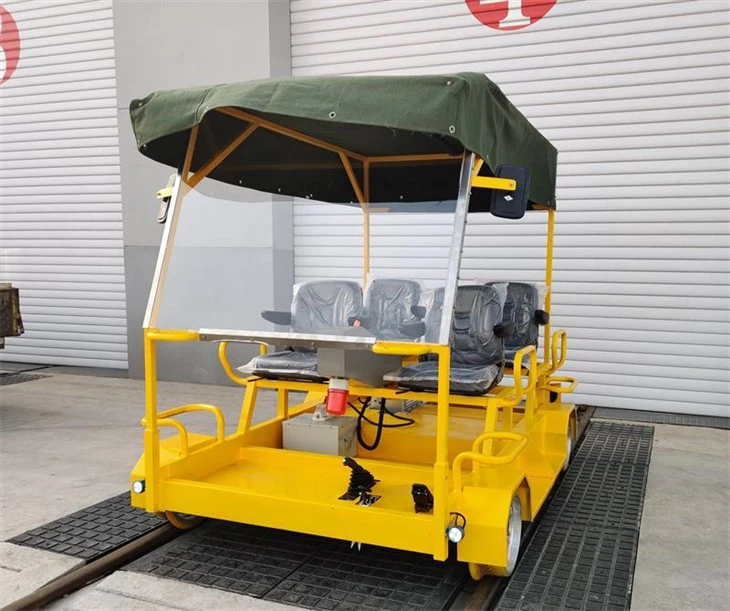
We also have the Covered Battery Motorised Rail Track Trolley Rail Inspection Trolley Electric Drive Alumicart. This trolley is perfect for inspecting the tracks. It's battery - powered, so it's environmentally friendly and can move quietly along the tracks, allowing inspectors to detect any issues easily.
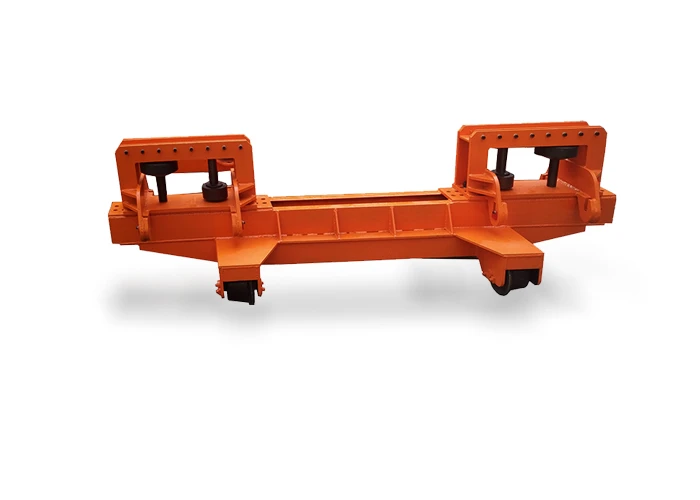
And if you need to replace tracks, our Track Replacement Vehicle is the way to go. It can quickly and efficiently replace old tracks with new ones, minimizing the downtime of the railway line.
Proper maintenance of railway vehicles is not just about keeping them running smoothly. It's also about safety. A well - maintained train is less likely to have accidents, which is crucial for the passengers and the crew. It also helps to reduce the overall cost of operation in the long run. By preventing major breakdowns, you can avoid expensive emergency repairs and the loss of revenue due to service disruptions.
If you're in the market for railway vehicles or related maintenance equipment, I'd love to talk to you. Whether you're a railway operator looking to upgrade your fleet, or a maintenance company in need of high - quality tools, we've got you covered. Reach out to us, and let's have a chat about how we can meet your needs.
References
- Railway Maintenance Handbook, Third Edition
- Journal of Railway Engineering and Maintenance
- International Association of Railway Operators' Guidelines on Vehicle Maintenance