




What spare parts are needed for a rail drill?
 Sep 15, 2025|
 Hey there! As a supplier of rail drills, I often get asked about the spare parts that are essential for these machines. Rail drills are crucial tools in the railway industry, used for creating holes in rails for various purposes like attaching fixtures and components. Keeping them in top - notch condition with the right spare parts is super important. So, let's dive into what spare parts you might need for a rail drill.
Drill Bits
First off, drill bits are like the workhorses of a rail drill. They're the parts that actually do the cutting. Over time, drill bits wear out due to the high - pressure contact with the hard rail material. Different types of rail drills require different sizes and types of drill bits. For example, some high - speed rail drills need carbide - tipped drill bits because they can handle the intense heat and friction generated during the drilling process.
Carbide - tipped drill bits are more expensive than regular ones, but they last longer and offer better performance. You should always have a few extra drill bits on hand. If a drill bit breaks or becomes too dull during a job, you can quickly swap it out and keep the work going. This saves a lot of time and ensures that your project stays on schedule.
Chuck and Arbor
The chuck is the part of the rail drill that holds the drill bit in place. It needs to be strong and reliable to keep the bit secure during operation. Over time, the jaws of the chuck can wear out, causing the drill bit to slip or not hold properly. This can lead to inaccurate holes and even damage to the drill bit.
The arbor is the shaft that connects the chuck to the motor of the rail drill. It also experiences a lot of stress during operation. If the arbor gets damaged or bent, it can affect the alignment of the drill bit and the overall performance of the drill. So, having spare chucks and arbors is a must. You can easily replace them when needed, which helps maintain the efficiency and accuracy of your rail drill.
Motor Brushes
Most rail drills are powered by electric motors, and motor brushes play a vital role in these motors. Motor brushes are small carbon blocks that transfer electrical current from the power source to the rotating part of the motor. They wear down over time due to the constant friction and electrical arcing.
When the motor brushes are worn out, the motor may not run smoothly, or it might even stop working altogether. You should regularly check the condition of the motor brushes and replace them as soon as they start to show signs of wear. Having spare motor brushes on hand means you can quickly fix any motor problems and keep your rail drill running.
Belts and Pulleys
In some rail drills, belts and pulleys are used to transfer power from the motor to the drill bit. These belts can stretch or break over time, especially if the drill is used frequently. A broken belt can stop the drill from working, and a stretched belt can cause the drill to operate inefficiently.
Pulleys can also wear out or get damaged. If a pulley is not in good condition, it can cause the belt to slip or not transfer power properly. So, it's a good idea to keep some spare belts and pulleys. Replacing them is usually a relatively simple process, and it can save you from a lot of downtime.
Coolant System Parts
Many rail drills use a coolant system to keep the drill bit cool during operation. Coolant helps reduce friction and heat, which extends the life of the drill bit and improves the quality of the holes. The coolant system consists of parts like pumps, hoses, and nozzles.
The pump is responsible for circulating the coolant through the system. If the pump fails, the coolant won't flow properly, and the drill bit can overheat. Hoses can develop leaks over time, and nozzles can get clogged. You should have spare pumps, hoses, and nozzles so that you can quickly repair or replace any faulty parts in the coolant system.
Safety Switches and Sensors
Safety is always a top priority when using a rail drill. Safety switches and sensors are designed to protect the operator and the machine. For example, a safety switch can stop the drill if it detects an abnormal vibration or if the drill bit gets stuck.
Sensors can monitor things like temperature and pressure in the drill. If a sensor malfunctions, it might not detect a problem in time, which could lead to a serious accident. Having spare safety switches and sensors ensures that your rail drill is always safe to use. You can replace any faulty parts immediately and keep the drill operating under safe conditions.

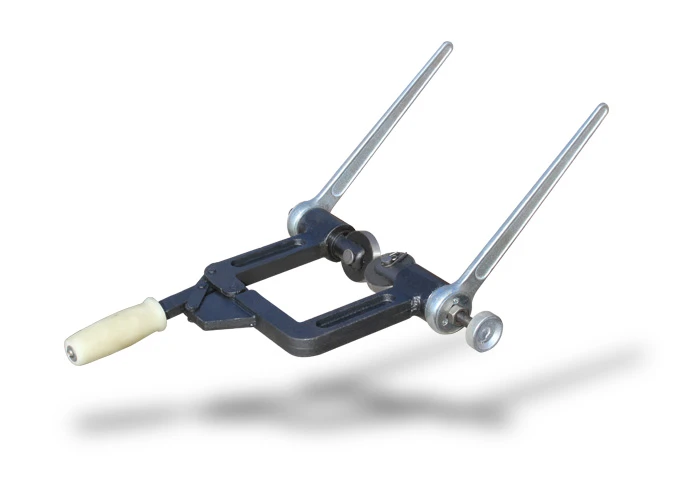
Other Related Products
If you're in the railway industry, you might also be interested in some other related products. For example, the Railway Product Li - Battery Powered Rail Bolt Wrench is a great tool for tightening and loosening rail bolts. It's powered by a lithium - battery, which makes it portable and easy to use.
The Lithium Battery Powered Rail Tamper Handled Machine is another useful product. It's used for tamping the ballast under the rails to keep them in place. And the DJQ - II Double - side Rail Chamfering Device is perfect for chamfering the edges of rails, which helps prevent cracking and other damage.
In conclusion, having the right spare parts for your rail drill is essential for keeping it in good working condition. Whether it's drill bits, chucks, motor brushes, or other components, each spare part plays a crucial role in the performance and longevity of the drill.
If you're looking to purchase rail drills or any of the spare parts I've mentioned, or if you're interested in the related products I've linked to, don't hesitate to reach out. We're here to help you find the best solutions for your railway projects.
References
- Railway maintenance industry standards and best practices.
- Manufacturer's manuals for rail drills and related equipment.