




What materials are used to build railway vehicles?
 Sep 15, 2025|
 Hey there! As a supplier of railway vehicles, I'm super excited to dive into the topic of what materials are used to build these amazing machines. Railway vehicles come in all shapes and sizes, from passenger trains to freight cars, and the materials we use play a crucial role in their performance, durability, and safety.
Let's start with the most basic yet essential material: steel. Steel has been the go - to material for railway vehicle construction for ages. It's strong, durable, and can withstand a lot of stress. The frames of most railway cars are made of high - strength steel. This steel provides the structural integrity that keeps the vehicle together, even when it's traveling at high speeds or carrying heavy loads. For example, in freight cars, the steel frame has to support tons of cargo, and it does so reliably.
But not all steel is the same. We use different grades of steel depending on the specific requirements of the vehicle. Some parts may need a more corrosion - resistant steel, especially if the train operates in harsh environments. We also use heat - treated steel for components that need to be extra tough, like axles and wheels. Axles, in particular, have to bear a huge amount of weight and torque as the train moves, so they need to be made of the highest - quality steel.
Another important material is aluminum. Aluminum is lightweight compared to steel, which is a big advantage when it comes to railway vehicles. Lighter vehicles require less energy to move, which means lower fuel consumption and reduced operating costs. Many modern passenger trains, especially high - speed trains, use aluminum extensively in their construction. The body shells of these trains are often made of aluminum alloys. These alloys are not only lightweight but also have good corrosion resistance, which is important for the long - term maintenance of the train.
Composite materials are also becoming more and more popular in railway vehicle construction. Composites are made by combining two or more different materials to create a material with superior properties. For example, carbon fiber composites are extremely strong and lightweight. They are used in some high - end railway vehicles, especially in parts where weight reduction is crucial and high strength is required. Some train interiors also use composite materials for panels and fixtures. These materials can be molded into various shapes, which gives designers more flexibility in creating comfortable and functional train interiors.
Plastics are another group of materials that we use in railway vehicles. There are different types of plastics, each with its own set of properties. For example, polycarbonate is a strong and transparent plastic that is used for windows in some trains. It provides good visibility while also being resistant to impact. Other plastics are used for insulation, wiring harnesses, and interior components. They are lightweight, easy to process, and can be designed to have specific properties like flame retardancy, which is essential for safety in railway vehicles.
Now, let's talk about some of the specialized components and the materials used in them. Wheels and brakes are critical parts of any railway vehicle. Wheels are usually made of steel, as I mentioned earlier. But the surface of the wheels is often treated to improve its wear resistance. Brakes, on the other hand, use a variety of materials. Brake pads are commonly made of a composite material that contains friction - enhancing particles. These particles help to create the necessary friction to slow down or stop the train. The brake discs are usually made of cast iron or steel, depending on the application.
When it comes to the undercarriage of the railway vehicle, rubber and elastomers play an important role. Rubber is used in suspension systems to absorb shocks and vibrations. Elastomers are used in couplings and joints to provide flexibility and reduce noise. These materials help to make the ride smoother and more comfortable for passengers and also protect the vehicle from damage caused by rough tracks.
As a railway vehicle supplier, we're always on the lookout for new and improved materials. We want to build vehicles that are not only more efficient and reliable but also more environmentally friendly. That's why we're constantly researching and testing new materials and manufacturing processes.
If you're in the market for railway vehicles or related equipment, we've got some great products to offer. Check out our ballast profiling machine railroad rail ballast regulator rail ballast regulating sweeping machine. This machine is designed to keep the ballast on the tracks in top condition, which is essential for the safe and smooth operation of trains.
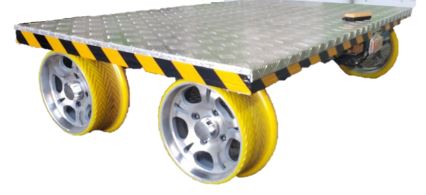
We also have the Smart Mini Battery Rail Trolley. It's a great option for short - distance transportation on the tracks, and it's powered by a battery, so it's environmentally friendly.
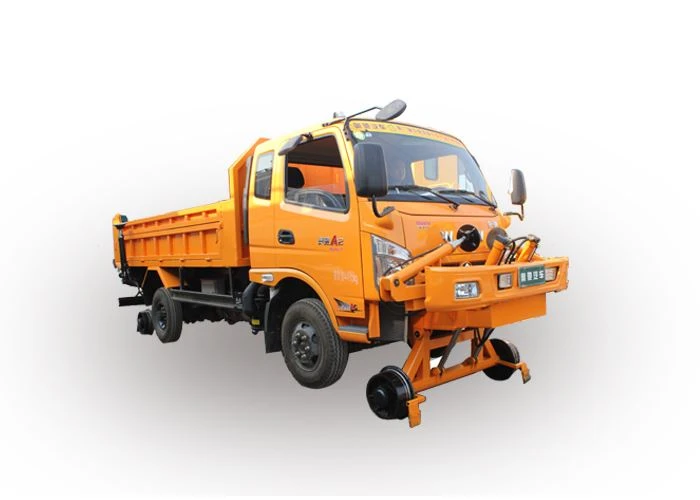
And for those looking for a more versatile vehicle, our GYC - Ⅱ Rail Road Vehicle is a fantastic choice. It can operate both on rails and on roads, which gives you a lot of flexibility in your transportation needs.
If you're interested in any of our products or have questions about the materials we use in our railway vehicles, don't hesitate to get in touch. We're here to help you find the best solutions for your railway transportation requirements. Whether you're a railway operator, a maintenance company, or just someone interested in the world of railway vehicles, we'd love to have a chat with you.
In conclusion, the materials used to build railway vehicles are diverse and each plays a unique role in the performance and functionality of the vehicle. From the strong steel frames to the lightweight aluminum bodies and the high - tech composites, every material is carefully selected and engineered to ensure that our railway vehicles are the best they can be.
References
- Railway Engineering Handbook, various editions
- Journal of Railway and Rapid Transit
- International Association of Railway Suppliers publications