




How often should I sharpen the blade of a Track Cutter?
 May 23, 2025|
 As a supplier of Track Cutters, one of the most frequently asked questions I receive from our customers is, "How often should I sharpen the blade of a Track Cutter?" This question is crucial as the performance and longevity of a Track Cutter largely depend on the sharpness of its blade. In this blog, I'll delve into the factors that influence blade sharpening frequency and provide some practical guidelines to help you maintain your Track Cutter effectively.
Factors Affecting Blade Sharpening Frequency
1. Usage Intensity
The frequency of use is a primary factor in determining how often you need to sharpen the blade. If your Track Cutter is used continuously for long hours every day, the blade will dull more quickly compared to occasional use. For instance, in a large - scale railway construction project where the Track Cutter is in operation from dawn to dusk, the blade may need sharpening every few days. On the other hand, if it's used only a few hours a week for small - scale maintenance tasks, sharpening may be required once every few weeks or even months.
2. Material Being Cut
The type of material you are cutting with the Track Cutter has a significant impact on blade wear. Different materials have varying hardness and abrasiveness. Cutting through soft materials like wood or plastic will cause less wear on the blade compared to cutting through hard metals such as steel rails. When cutting steel rails, the blade has to endure high levels of friction and pressure, which can lead to rapid dulling. In such cases, more frequent sharpening is necessary.
3. Cutting Conditions
The conditions under which the Track Cutter operates also play a role. If the cutting environment is dusty or dirty, the abrasive particles in the air can accelerate blade wear. Similarly, if the cutting process involves high - speed operations or heavy - duty cuts, the blade will experience more stress and wear out faster. For example, in a construction site with a lot of dust from other activities, the blade may need to be sharpened more often than in a clean workshop environment.
General Guidelines for Blade Sharpening
1. Visual Inspection
One of the simplest ways to determine if the blade needs sharpening is through visual inspection. A dull blade may show signs of chipping, uneven edges, or a rounded tip. If you notice that the blade is no longer making clean cuts or is leaving rough edges on the material, it's a clear indication that sharpening is required.

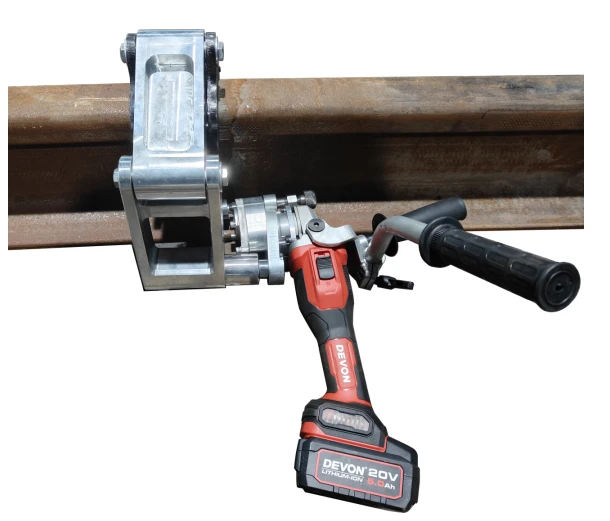
2. Cutting Performance
Pay attention to the cutting performance of the Track Cutter. If you find that the cutter is struggling to cut through the material, requires more force to operate, or is producing excessive heat during cutting, these are signs that the blade has become dull. In such cases, it's time to sharpen the blade.
3. Manufacturer's Recommendations
The manufacturer of the Track Cutter usually provides guidelines on blade sharpening frequency. These recommendations are based on extensive testing and research and should be followed as a starting point. However, keep in mind that these are general guidelines, and you may need to adjust the frequency based on your specific usage conditions.
Maintaining Your Track Cutter for Optimal Performance
1. Regular Cleaning
Cleaning the Track Cutter regularly can help reduce blade wear. After each use, remove any debris, dust, or chips from the blade and the cutter body. This prevents abrasive particles from accumulating on the blade and causing premature wear.
2. Lubrication
Proper lubrication of the blade and moving parts of the Track Cutter is essential. Lubrication reduces friction during cutting, which in turn reduces heat generation and blade wear. Follow the manufacturer's instructions on the type and frequency of lubrication.
3. Correct Blade Installation
Ensure that the blade is installed correctly in the Track Cutter. An improperly installed blade can cause uneven wear and reduce cutting performance. Make sure the blade is securely fastened and aligned properly.
Our Product Range and Their Blade Sharpening Requirements
We offer a wide range of Track Cutters, each designed for specific applications. For example, our [GYDM - III Rail Waist Grinding Machine](/rail - cutting - series/gydm - iii - rail - waist - grinding machine.html) is used for grinding the waist of rails. The blade of this machine is subjected to high - pressure grinding operations, and depending on the frequency of use and the hardness of the rails, it may need sharpening every 10 - 20 working days.
Our [Rail Profile Grinding Machine](/rail - cutting - series/rail - profile - grinding machine.html) is used for shaping the rail profile. The blade in this machine is exposed to continuous contact with the rail surface, and sharpening may be required every 15 - 25 working days, especially if it's used in heavy - duty projects.
The [Portable Rail Welding Seam Grinding Machine](/rail - cutting - series/portable - rail - welding - seam - grinding machine.html) is designed for grinding welding seams on rails. Due to the high - precision requirements of welding seam grinding, the blade should be kept sharp at all times. Depending on usage, sharpening may be needed every 8 - 15 working days.
Conclusion
Determining how often to sharpen the blade of a Track Cutter is not a one - size - fits - all answer. It depends on multiple factors such as usage intensity, the material being cut, and cutting conditions. By following the guidelines mentioned above and paying close attention to the performance of your Track Cutter, you can ensure that the blade is sharpened at the right time, which will not only improve cutting performance but also extend the lifespan of your equipment.
If you are in the market for a high - quality Track Cutter or need more information on blade maintenance, feel free to contact us. Our team of experts is ready to assist you in making the right choice for your specific needs and ensuring that your Track Cutter operates at its best.
References
- Railway Maintenance Handbook: A comprehensive guide on railway equipment maintenance, including Track Cutters.
- Manufacturer's manuals of our Track Cutter products, which provide detailed information on blade maintenance and sharpening.