




How to maintain a rail bender?
 Nov 26, 2025|
 Hey there! As a supplier of rail benders, I've seen firsthand how important it is to keep these machines in top - notch condition. A well - maintained rail bender not only lasts longer but also ensures smooth and efficient operations on the railway construction or maintenance sites. In this blog, I'm gonna share some tips on how to maintain a rail bender.
Regular Inspection
The first step in maintaining a rail bender is regular inspection. You should check the machine thoroughly before and after each use. Look for any visible signs of wear and tear, such as cracks in the frame, loose bolts, or damaged hydraulic hoses.
Examine the bending dies carefully. These are the parts that come into direct contact with the rails, so they take a lot of stress. If the dies are worn out, they may not bend the rails accurately, which can lead to safety issues. Replace the dies as soon as you notice significant wear.
Check the hydraulic system. The hydraulic fluid level should be at the appropriate mark. Low fluid levels can cause the hydraulic pump to overheat and eventually fail. Also, look for any signs of leaks in the hydraulic lines. A small leak can turn into a big problem if left unattended. If you find a leak, repair it immediately.
You can find a high - quality rail bender like the High working efficiency 1100KN Vertical Rail Bender straightening device that is built to withstand regular use, but still, regular inspections are a must.
Cleaning
Cleaning is another crucial aspect of rail bender maintenance. After each use, clean the machine to remove dirt, debris, and any metal shavings. Use a brush or compressed air to clean hard - to - reach areas.
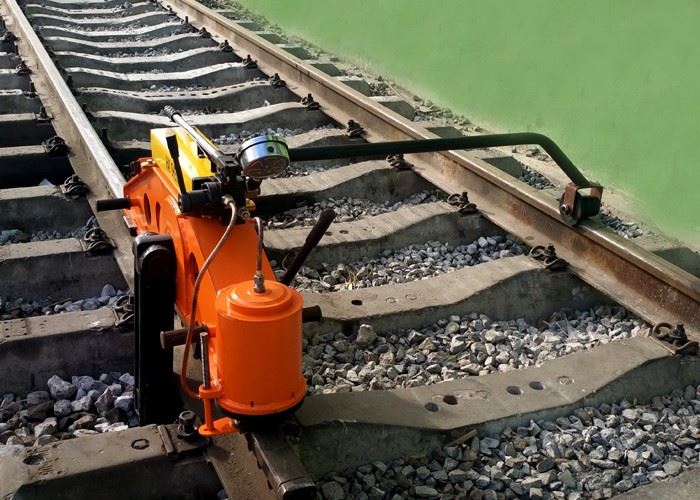

For the hydraulic components, be extra careful. Wipe them down with a clean, dry cloth to prevent dirt from getting into the system. Avoid using harsh chemicals that could damage the machine's finish or the hydraulic seals.
Lubrication
Proper lubrication is essential for the smooth operation of a rail bender. Lubricate all moving parts regularly, such as the joints, the screw jacks (if it's a screw - type rail bender), and the bending rollers.
Use the recommended lubricant for each part. Some parts may require a specific type of grease, while others may need oil. Ensure that you apply the lubricant in the right amount. Too much lubricant can attract dirt, while too little can cause excessive friction and wear.
Our Rail Bender (Rail Bending Machine Screw Jack Rail Bender) has parts that need proper lubrication to function at its best.
Calibration
Periodically calibrate your rail bender to ensure accurate bending. Over time, the machine may lose its calibration due to normal wear and tear. An uncalibrated rail bender can produce rails with incorrect bends, which can be a safety hazard on the railway.
Follow the manufacturer's instructions for calibration. Usually, it involves checking the bending angle and the force applied during bending. Use precision measuring tools to verify the accuracy of the bends. If the machine is out of calibration, adjust it accordingly.
Storage
When the rail bender is not in use, store it properly. Keep it in a dry, sheltered area to protect it from the elements. Moisture can cause rust and corrosion, which can damage the machine's components.
If possible, cover the machine with a protective tarp. This will prevent dust and dirt from accumulating on the machine. Also, make sure to store any accessories, such as the bending dies, in a safe place.
Training the Operators
Last but not least, train your operators properly. A well - trained operator is more likely to use the rail bender correctly, which can reduce the risk of damage.
Teach them about the machine's capabilities and limitations. Show them how to perform basic maintenance tasks, such as inspection, cleaning, and lubrication. Encourage them to report any issues they notice during operation immediately.
Our High stretching force rail tensor 900KN is a powerful machine, and proper training is necessary to ensure its safe and efficient use.
In conclusion, maintaining a rail bender is not a one - time task but an ongoing process. By following these tips, you can extend the lifespan of your rail bender, improve its performance, and ensure the safety of your railway operations.
If you're interested in purchasing a rail bender or have any questions about maintenance, feel free to reach out. We're here to help you make the right choice and keep your equipment in great shape.
References
- General knowledge from years of experience in the rail bender supply industry.
- Manufacturer's manuals for various rail bender models.