




What is the layout of a passenger railway car?
 Nov 26, 2025|
 Hey there! I'm stoked to chat with you about the layout of a passenger railway car. As a supplier in the railway car biz, I've got a ton of hands - on experience and knowledge to share. So, let's dive right in!
First off, let's talk about the exterior. The outer shell of a passenger railway car is designed with both functionality and aesthetics in mind. It's usually made of strong, lightweight materials like aluminum or steel alloys. These materials help to keep the weight down, which in turn improves fuel efficiency and reduces wear and tear on the tracks. The shape of the car is also aerodynamic, reducing drag as the train speeds along the tracks. This not only saves energy but also makes for a smoother, quieter ride.
Moving on to the interior, the layout is all about maximizing comfort and convenience for passengers. At the very front and back of the car, you'll find the vestibules. These are the areas where passengers enter and exit the car. They're equipped with doors that open and close automatically, and there are often handrails to help people keep their balance as they move in and out. The vestibules also act as a buffer zone between cars, helping to reduce noise and vibration.
Once you step inside the main cabin, the first thing you'll notice is the seating arrangement. There are several different types of seating configurations, depending on the type of train and the intended use. For commuter trains, you'll often see rows of seats facing each other or towards the sides of the car. This allows for maximum seating capacity and easy access to the aisles. On long - distance trains, however, the seats are usually more spacious and comfortable, with more legroom and often the option to recline. Some cars even have sleeper compartments for overnight trips.
In addition to the seats, there are also other amenities in the cabin. There are usually overhead compartments where passengers can store their luggage. These compartments are designed to be easy to open and close, and they're big enough to hold most standard suitcases and bags. There are also power outlets near the seats, so passengers can charge their phones, laptops, and other devices during the journey.
Another important part of the interior layout is the restroom facilities. Most passenger railway cars have at least one restroom, which is usually located at one end of the car. The restrooms are kept clean and well - maintained, and they're equipped with basic amenities like toilets, sinks, and hand dryers. Some newer trains even have more advanced restroom features, such as touchless faucets and self - cleaning toilets.
Now, let's talk about some of the safety features in a passenger railway car. There are emergency exits located at both ends of the car, and they're clearly marked with signs and illuminated in case of an emergency. There are also fire extinguishers and first - aid kits on board, and the crew is trained to handle any emergency situations that may arise. The car is also equipped with a communication system that allows passengers to contact the train crew in case of an emergency or if they have any questions or concerns.
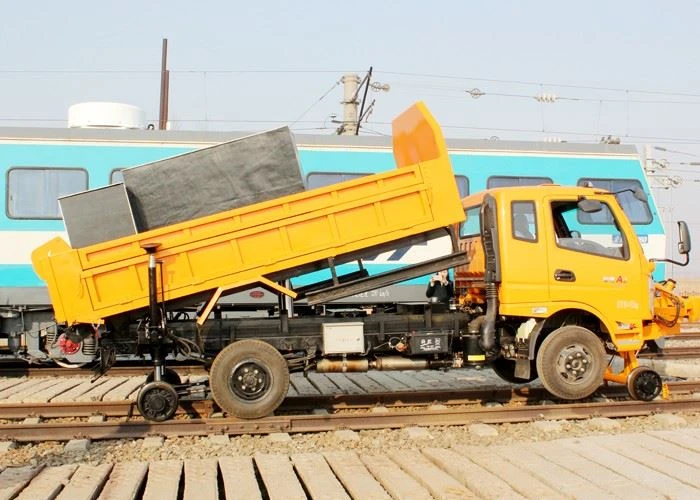
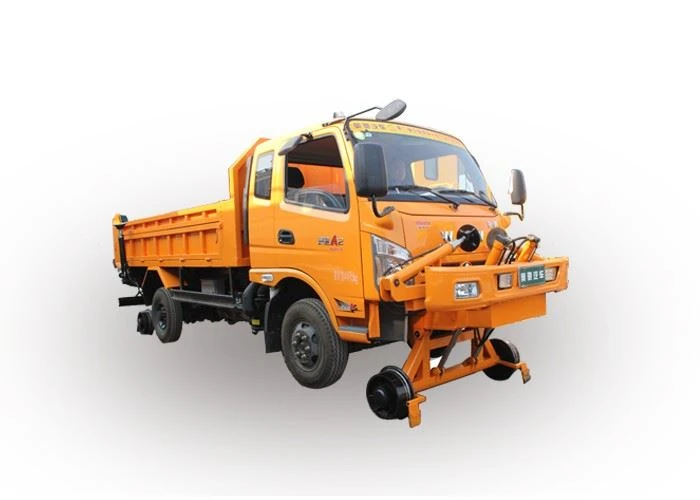
As a railway car supplier, we offer a wide range of railway cars to meet different needs. For example, we have the GYC - Ⅱ Rail Road Vehicle. This vehicle is a great option for short - distance transportation, with a flexible design that allows it to operate on both rail and road. It's perfect for urban areas where there may be a need to transport passengers between different modes of transportation.
We also have the QPC - Ⅰ RAIL LIFTING CRANE special designed lorry crane completed with wagons. This is a unique piece of equipment that can be used for various railway maintenance and construction tasks. It's designed to be efficient and reliable, and it can help to improve the safety and productivity of railway operations.
And if you're looking for a more compact and eco - friendly option, our Battery Rail Trolley is a great choice. It's powered by a battery, which means it produces zero emissions and is very quiet. It's ideal for short - distance transportation within a railway yard or a small industrial area.
Whether you're a railway operator looking to upgrade your fleet or a developer planning a new railway project, we've got the products and expertise to meet your needs. Our team of experts can work with you to design and build the perfect railway car for your specific requirements. We're committed to providing high - quality products and excellent customer service, and we're always happy to answer any questions you may have.
So, if you're interested in learning more about our railway cars or if you're ready to start a procurement discussion, don't hesitate to get in touch. We're looking forward to working with you to create the best railway solutions for your business.
References
- Railway Engineering Handbook: This comprehensive handbook provides in - depth information on all aspects of railway engineering, including the design and layout of railway cars.
- Industry reports from railway research organizations: These reports offer the latest trends and insights in the railway industry, which help in understanding the evolving needs for passenger railway car layouts.