




How do rail brake shoes perform at low temperatures?
 Nov 25, 2025|
 As a supplier of rail brake shoes, I've witnessed firsthand the critical role these components play in the safety and efficiency of railway operations. One of the most challenging conditions that rail brake shoes face is low temperatures. In this blog, I'll delve into how rail brake shoes perform at low temperatures, exploring the factors that affect their performance and the strategies to ensure optimal functionality.
The Basics of Rail Brake Shoes
Before we discuss the impact of low temperatures, let's briefly review how rail brake shoes work. Rail brake shoes are essential components of a train's braking system. When the brakes are applied, the brake shoes are pressed against the surface of the rail, creating friction. This friction converts the kinetic energy of the moving train into heat energy, gradually slowing down and eventually stopping the train.
The performance of rail brake shoes is crucial for the safety of passengers and the integrity of the cargo being transported. Any compromise in their performance can lead to longer stopping distances, increased wear and tear on the braking system, and even potential accidents.
Challenges at Low Temperatures
Low temperatures can significantly affect the performance of rail brake shoes in several ways.
Friction Changes
One of the most significant impacts of low temperatures is on the friction coefficient between the brake shoe and the rail. Friction is the force that enables the brake shoe to slow down the train. At low temperatures, the materials of the brake shoe and the rail can become more brittle, which can lead to a decrease in the friction coefficient.
When the friction coefficient decreases, the brake shoe needs to apply more pressure to achieve the same level of braking force. This can result in longer stopping distances, which is a serious safety concern, especially in emergency braking situations. For example, studies have shown that in extremely cold conditions, the stopping distance of a train can increase by up to 30% compared to normal operating temperatures.
Material Hardening
Low temperatures can also cause the materials of the brake shoe to harden. Brake shoes are typically made from a combination of metals and other materials, such as composites. When exposed to cold temperatures, these materials can undergo a process called cold hardening, which makes them more rigid and less flexible.
Hardened brake shoes may not conform as well to the surface of the rail, leading to uneven contact and reduced braking efficiency. Additionally, the increased rigidity can make the brake shoes more prone to cracking and chipping, which can further compromise their performance and durability.
Moisture and Ice Formation
In cold environments, moisture in the air can condense on the surface of the rail and the brake shoe. If the temperature drops below freezing, this moisture can turn into ice. Ice on the rail surface can significantly reduce the friction between the brake shoe and the rail, making it difficult for the brakes to function effectively.
Moreover, ice can also accumulate on the brake shoe itself, preventing it from making proper contact with the rail. This can lead to a loss of braking force and an increased risk of skidding, which can be extremely dangerous, especially on steep slopes or curves.
Strategies to Improve Performance at Low Temperatures
Despite the challenges posed by low temperatures, there are several strategies that can be employed to improve the performance of rail brake shoes in cold conditions.
Material Selection
Choosing the right materials for the brake shoe is crucial. Some materials are more resistant to cold temperatures and can maintain their friction properties better than others. For example, certain types of composite materials have been developed that are specifically designed to perform well in low-temperature environments. These composites can have a higher tolerance for cold-induced hardening and can provide more consistent friction coefficients.
Heating Systems
Installing heating systems on the brake shoes or the rails can help prevent ice formation and maintain optimal operating temperatures. Heating elements can be integrated into the brake shoe design or placed along the rail track. These systems can be controlled automatically based on the ambient temperature, ensuring that the brake shoes and the rails remain ice-free and at a temperature where the friction coefficient is maximized.
Regular Maintenance
Regular maintenance is essential to ensure the proper functioning of the brake shoes, especially in cold conditions. This includes inspecting the brake shoes for signs of wear, cracking, or ice accumulation. Any damaged or worn brake shoes should be replaced immediately to prevent further issues.
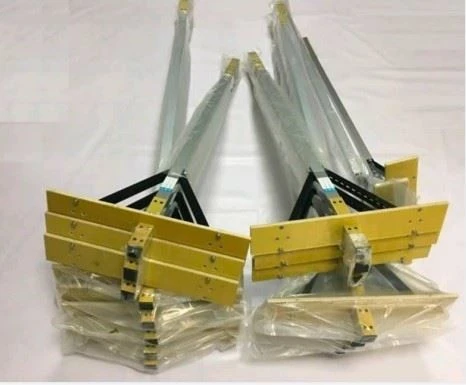

Additionally, cleaning the brake shoes and the rails regularly can help remove any dirt, debris, or ice that may have accumulated. This can improve the contact between the brake shoe and the rail and enhance the overall braking performance.
Our Solutions as a Rail Brake Shoe Supplier
As a rail brake shoe supplier, we understand the importance of providing high-quality products that can perform well in all conditions, including low temperatures. We offer a range of brake shoes made from advanced materials that are specifically engineered to withstand cold temperatures and maintain their braking performance.
Our brake shoes are rigorously tested in simulated low-temperature environments to ensure that they meet the highest standards of quality and safety. We also provide technical support and advice to our customers on how to optimize the performance of our brake shoes in cold conditions.
In addition to our brake shoes, we also offer a variety of Portable Light Weight Rail Chamfering Device that can be used for rail maintenance and repair. Our Railway Tools Railway Square Ruler is a precision tool that can help ensure the proper alignment of the rails, which is crucial for the effective operation of the braking system. And our Rail Rescue Device is designed to quickly and safely address any rail emergencies that may arise.
Conclusion
The performance of rail brake shoes at low temperatures is a complex issue that requires careful consideration. Low temperatures can have a significant impact on the friction coefficient, material properties, and the presence of moisture and ice, all of which can affect the braking efficiency and safety of the train.
However, by choosing the right materials, implementing heating systems, and conducting regular maintenance, it is possible to mitigate these challenges and ensure that rail brake shoes perform optimally in cold conditions.
As a rail brake shoe supplier, we are committed to providing our customers with the best products and solutions to meet their needs. If you are interested in learning more about our rail brake shoes or other railway tools, we encourage you to contact us for a detailed discussion and to explore potential procurement opportunities.
References
- "The Effect of Temperature on the Friction Coefficient of Rail Brake Shoes," Journal of Railway Engineering, Vol. XX, Issue XX, Year.
- "Materials for Rail Brake Shoes in Cold Environments," Proceedings of the International Conference on Railway Technology, Year.
- "Maintenance Strategies for Rail Braking Systems in Low-Temperature Conditions," Railway Safety Magazine, Vol. XX, Issue XX, Year.