




How to teach students about rail tensors?
 Dec 09, 2025|
 Teaching students about rail tensors is an exciting journey that blends theoretical knowledge with practical applications. As a rail tensor supplier, I've had the privilege of witnessing firsthand how these tools play a crucial role in railway maintenance. Today, I'll share some tips on how to effectively teach students about rail tensors.
Understanding the Basics
Before diving into the nitty - gritty of rail tensors, it's essential to make sure students have a solid understanding of the basics of railway systems. Railways are a complex infrastructure, and rail tensors are just one piece of the puzzle.
Start by explaining the different components of a railway track, such as rails, sleepers, and fastenings. Discuss the importance of maintaining the correct tension in the rails to prevent issues like buckling in hot weather or breakage in cold weather. This background knowledge will help students understand why rail tensors are necessary.
The Theory Behind Rail Tensors
Once the students have a grasp of the railway system, it's time to introduce them to the theory of rail tensors. Explain how rail tensors work to adjust the tension in the rails. They use mechanical or hydraulic force to stretch or compress the rails, ensuring they have the right amount of tension.
Use diagrams and real - life examples to illustrate the concepts. For instance, show how changes in temperature can cause the rails to expand or contract, and how rail tensors can counteract these effects. Talk about the calculations involved in determining the correct tension based on factors like the type of rail, the temperature, and the length of the track.
Hands - on Experience
There's no better way to learn than by doing. Arrange for students to have hands - on experience with rail tensors. This can be done in a simulated railway maintenance environment or at an actual railway site.
Let the students operate the rail tensors under supervision. Teach them how to set up the equipment, perform the tension adjustment, and check the results. This practical experience will give them a much better understanding of how rail tensors work in the real world.
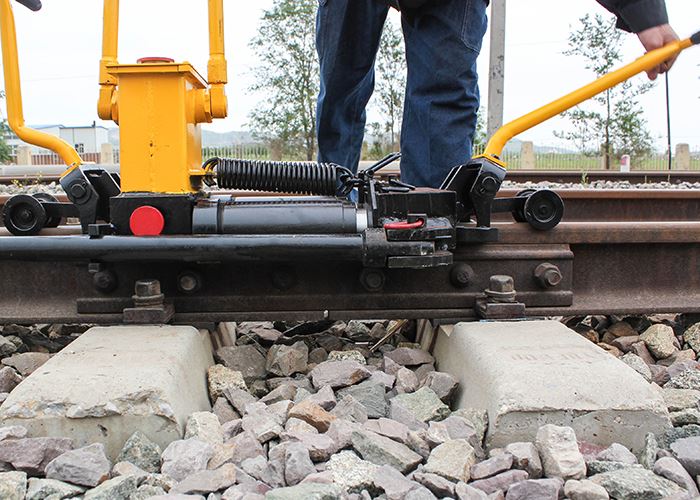
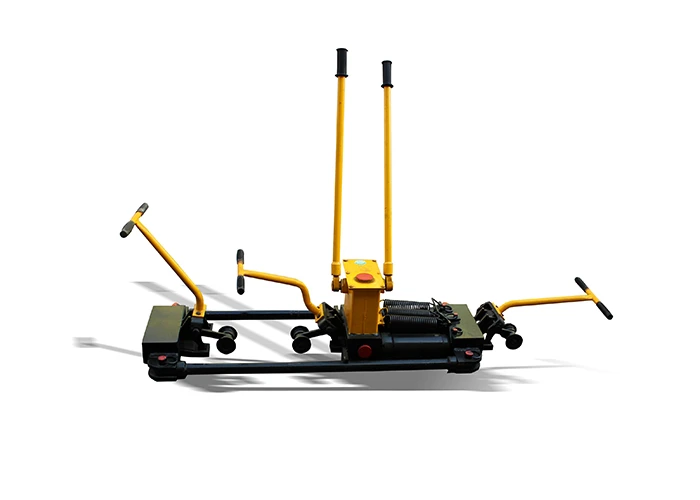
We offer a range of rail tensors and related tools. For example, the Bidirectional Rail Joint Gap Adjuster is a versatile tool that can be used in various rail tension adjustment scenarios. It allows for precise adjustment of the rail joint gap, which is crucial for maintaining the integrity of the railway track.
Another great option is the YTF 400 II Good Quality Hydraulic Rail Gap Adjuster. This hydraulic adjuster provides powerful force to stretch or compress the rails, making it suitable for heavy - duty applications.
And of course, we have the Rail Gap Adjuster, which is a fundamental tool for rail tension adjustment. It's easy to use and can be a great starting point for students.
Safety First
When teaching students about rail tensors, safety should always be the top priority. The railway environment is a potentially dangerous place, and the equipment used can also pose risks if not handled properly.
Teach students about the safety protocols and procedures when working with rail tensors. This includes wearing the appropriate personal protective equipment (PPE), such as hard hats, safety glasses, and steel - toed boots. Explain the importance of following the manufacturer's instructions for setting up and operating the equipment.
Case Studies
To make the learning experience more engaging, share some real - life case studies with the students. Talk about situations where improper rail tension led to serious problems, and how rail tensors were used to fix them.
For example, you could discuss a case where a section of railway track buckled during a heatwave due to insufficient rail tension. Then, explain how the maintenance crew used rail tensors to stretch the rails and prevent further damage. These case studies will help students understand the practical implications of what they're learning.
Interactive Learning
Encourage interactive learning in the classroom or at the training site. Have students work in groups to solve problems related to rail tension adjustment. For example, give them a set of data on a particular railway track, including the temperature, the type of rail, and the length of the track, and ask them to calculate the required tension and come up with a plan to adjust it using rail tensors.
This collaborative approach will not only improve their problem - solving skills but also enhance their understanding of the concepts.
Continuous Learning
The field of railway maintenance is constantly evolving, and new technologies and techniques for rail tension adjustment are emerging all the time. Encourage students to keep learning even after the training is over.
Provide them with resources such as industry publications, research papers, and online forums where they can stay updated on the latest developments. Invite guest speakers from the railway industry to share their experiences and insights.
Conclusion
Teaching students about rail tensors is a rewarding endeavor. By combining theoretical knowledge, hands - on experience, and a focus on safety, you can ensure that students have a comprehensive understanding of how rail tensors work and why they're important.
If you're interested in purchasing high - quality rail tensors or related equipment for your training programs or maintenance needs, feel free to reach out to us for a detailed discussion. We're always happy to help you find the right solutions for your specific requirements.
References
- Railway Track Maintenance Manual, [Publisher Name]
- Journal of Railway Engineering and Technology, various issues