




How to transport a Rail Cutter?
 Dec 11, 2025|
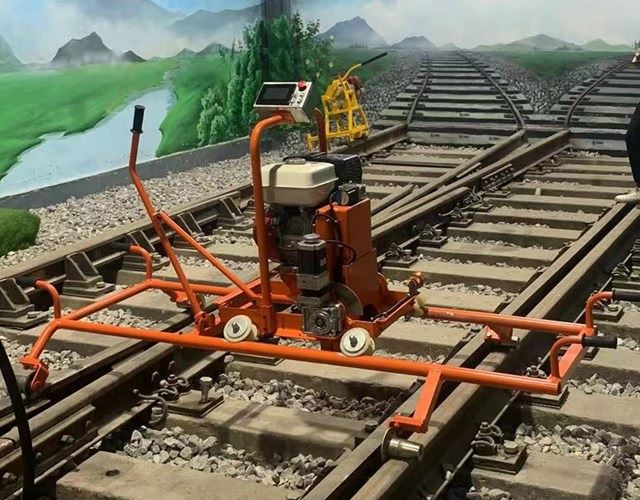
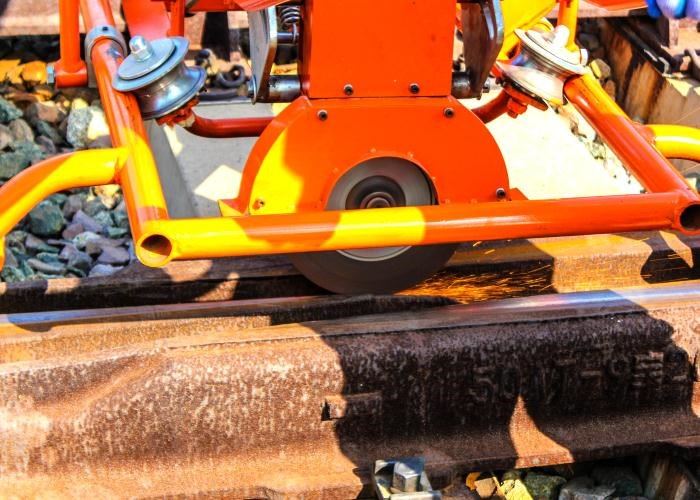
 Transporting a rail cutter is a complex and critical task that requires careful planning and execution. As a rail cutter supplier, I understand the importance of ensuring that these heavy - duty machines reach their destination safely and in optimal condition. In this blog, I'll share some key considerations and best practices for transporting a rail cutter.
Pre - Transport Preparation
Machine Inspection
Before any transportation, a thorough inspection of the rail cutter is essential. Check for any loose parts, damaged components, or signs of wear and tear. Tighten all bolts and nuts, and ensure that all safety features are in working order. This inspection not only helps in identifying potential issues but also ensures that the machine is in a stable state for transit. For example, if there are any loose cutting blades, they could shift during transportation and cause damage to the machine or even pose a safety risk.
Disassembly
Depending on the size and type of the rail cutter, partial disassembly might be necessary. Remove any detachable parts such as blades, handles, or control panels. This not only reduces the overall size and weight of the load but also protects these delicate components from damage. When disassembling, label each part clearly and keep them organized. You can use a storage container to keep all the small parts together. This way, when it comes to reassembling the rail cutter at the destination, it will be a much smoother process.
Cleaning
Clean the rail cutter thoroughly before transportation. Remove any dirt, debris, or grease from the machine. This not only makes the machine look presentable but also helps in preventing corrosion during transit. Use appropriate cleaning agents and tools to ensure a comprehensive clean. For instance, a degreaser can be used to remove stubborn grease stains.
Documentation
Gather all the necessary documentation related to the rail cutter. This includes the user manual, warranty information, and any certificates of compliance. Having these documents readily available can be very useful in case of any customs checks or if the customer needs to refer to them for installation or operation.
Choosing the Right Transport Method
Road Transport
Road transport is one of the most common ways to transport a rail cutter. It offers flexibility in terms of pick - up and delivery locations. When choosing a road transport option, select a reliable carrier with experience in transporting heavy machinery. The carrier should have appropriate trucks and equipment to handle the weight and size of the rail cutter. Ensure that the truck has a secure loading and unloading mechanism, such as a hydraulic lift gate. This can help in safely getting the rail cutter on and off the truck.
Rail Transport
If the destination is far - away and there is a railway network available, rail transport can be a cost - effective option. Rail transport is known for its stability and ability to handle large and heavy loads. However, it may require additional handling at the rail terminals for loading and unloading. Coordinate with the rail transport provider to ensure that they have the necessary equipment, such as cranes, to handle the rail cutter.
Sea Transport
For international shipments, sea transport is often the preferred choice. It is suitable for large - scale transportation of rail cutters. When using sea transport, the rail cutter needs to be properly packed in a shipping container. The container should be secured to prevent movement during the voyage. You may also need to consider additional services such as insurance to protect the machine from any potential damage during the long - distance journey.
Loading and Securing the Rail Cutter
Loading
When loading the rail cutter onto the transport vehicle, use appropriate lifting equipment. A forklift or a crane can be used depending on the size and weight of the machine. Ensure that the lifting points on the rail cutter are clearly identified and that the lifting equipment is attached securely. When using a forklift, make sure that the forks are inserted correctly and that the machine is balanced on the forks.
Securing
Once the rail cutter is loaded, it needs to be secured properly to prevent movement during transit. Use straps, chains, or ropes to tie down the machine. Place the securing devices at strategic points on the rail cutter, such as the frame or mounting points. Make sure that the straps are tightened firmly but not so tight that they cause damage to the machine. For example, if the rail cutter has a flat base, you can use straps to secure it to the floor of the transport vehicle.
Protecting the Rail Cutter During Transit
Packaging
Use appropriate packaging materials to protect the rail cutter from scratches, dents, and other forms of damage. Bubble wrap, foam padding, or wooden crates can be used. For example, if the rail cutter has a metal surface, wrapping it with bubble wrap can provide a layer of protection against scratches. A wooden crate can be used for overall protection, especially if the machine is being transported over a long distance or in a rough environment.
Weather Protection
If the transport is taking place in adverse weather conditions, additional weather protection is necessary. Cover the rail cutter with a waterproof tarp. This can prevent rain, snow, or excessive humidity from damaging the machine. Make sure that the tarp is securely fastened to the transport vehicle to prevent it from being blown off during transit.
Unloading and Reassembly at the Destination
Unloading
At the destination, use the same careful procedures for unloading as were used for loading. Ensure that the unloading area is clear and stable. Use the appropriate lifting equipment to safely remove the rail cutter from the transport vehicle.
Reassembly
Reassemble the rail cutter according to the labeled parts and the user manual. Check all the connections and make sure that all the parts are installed correctly. After reassembly, perform a final inspection to ensure that the machine is in proper working condition.
Related Products
If you are also interested in other rail - related equipment, we offer a range of high - quality products. For example, the DGM - 2.2 Multi - function Rail Grinding Machine is a versatile tool for rail maintenance. The NZM - 4.9 Rail Vertical Grinding Machine is designed for precise vertical grinding of rails. And the Railway Switch Digital Grinding Machine Rail Fat Edge Grinder Fine Grinding provides excellent performance in switch rail grinding.
Contact for Purchase and Discussion
If you have any questions about transporting rail cutters or are interested in purchasing our rail cutters or related products, feel free to reach out. We are more than happy to discuss your specific needs and provide you with the best solutions.
References
- "Heavy Machinery Transportation Handbook", published by Industrial Transport Press
- "Best Practices in Rail Equipment Logistics", a white paper by the Rail Logistics Institute