




What are the disadvantages of using a railroad tamper?
 Oct 06, 2025|
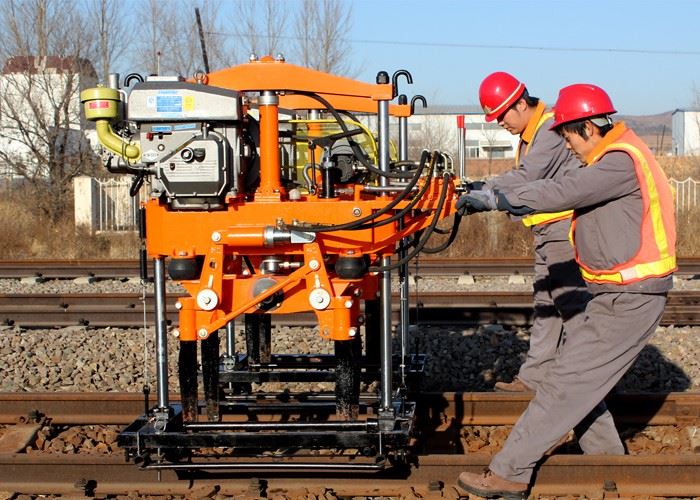
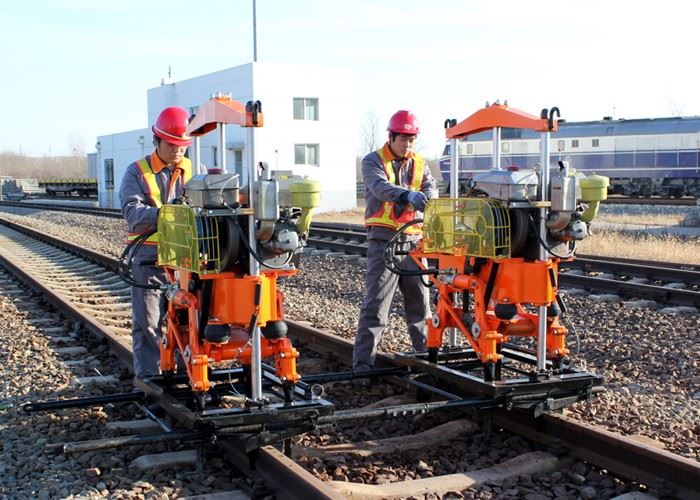
 As a supplier of railroad tampers, I've witnessed firsthand the significant role these machines play in railway maintenance. Railroad tampers are essential for ensuring the stability and safety of railway tracks by compacting the ballast beneath the sleepers. However, like any piece of equipment, they come with their own set of disadvantages. In this blog, I'll delve into some of the drawbacks associated with using a railroad tamper.
High Initial Investment
One of the most significant disadvantages of using a railroad tamper is the high initial investment required. These machines are complex pieces of equipment that incorporate advanced technology and engineering. The cost of purchasing a railroad tamper can range from tens of thousands to hundreds of thousands of dollars, depending on the type, size, and features of the machine. For small railway operators or maintenance companies with limited budgets, this can be a substantial financial burden.
For example, our YD-22Ⅲ Intelligent Rail Tamping Machine Unit is a state-of-the-art machine that offers high precision and efficiency. However, its advanced features and technology come at a price. The initial cost of this machine can be a deterrent for some potential buyers, especially those who are just starting out or have limited financial resources.
Maintenance and Repair Costs
In addition to the high initial investment, railroad tampers also require regular maintenance and occasional repairs. These machines are subjected to heavy use and harsh operating conditions, which can cause wear and tear on their components. Regular maintenance is essential to ensure the proper functioning of the machine and to prevent breakdowns. This includes tasks such as lubrication, inspection, and replacement of worn parts.
The cost of maintenance can add up over time, especially for larger and more complex machines. In addition, if a breakdown occurs, the cost of repairs can be significant. This may involve the replacement of expensive components or the hiring of specialized technicians to diagnose and fix the problem. For example, our Rail Tamper is a reliable machine, but like any other equipment, it may require maintenance and repairs from time to time. The cost of these services can impact the overall operating cost of the machine.
Limited Mobility
Another disadvantage of railroad tampers is their limited mobility. These machines are typically large and heavy, which makes them difficult to transport from one location to another. They may require specialized transportation equipment, such as trucks or trailers, to move them between job sites. This can add to the cost and time required to complete a project.
In addition, railroad tampers are designed to operate on railway tracks, which limits their use to specific areas. They cannot be used on other types of terrain or in areas where there are no tracks. This can be a problem for railway maintenance companies that need to work in remote or hard-to-reach locations. For example, if a railway track needs to be repaired in a mountainous area, it may be difficult to transport the tamper to the site.
Noise and Vibration
Railroad tampers generate a significant amount of noise and vibration during operation. This can be a nuisance to nearby residents and workers, especially if the machine is operating in a populated area. The noise and vibration can also cause damage to nearby structures and equipment.
To mitigate these issues, some railroad tampers are equipped with noise and vibration reduction features. However, these features may not be sufficient to completely eliminate the problem. In addition, the use of these features may increase the cost of the machine. For example, our Hydraulic Ballast Tamping Machine YD-22 For Railway is designed to minimize noise and vibration, but it still generates a certain level of noise and vibration during operation.
Environmental Impact
The operation of railroad tampers can also have an environmental impact. These machines typically run on diesel fuel, which emits pollutants such as carbon monoxide, nitrogen oxides, and particulate matter. These pollutants can contribute to air pollution and have a negative impact on human health and the environment.
In addition, the use of railroad tampers can also cause soil disturbance and erosion. The tamping process involves compacting the ballast beneath the sleepers, which can disrupt the natural soil structure and lead to soil erosion. This can have a negative impact on the surrounding ecosystem, especially in areas where there are sensitive habitats or water sources.
Operator Skill and Training
Operating a railroad tamper requires a certain level of skill and training. These machines are complex and require operators to have a good understanding of their operation and maintenance. Improper operation of a railroad tamper can not only lead to poor tamping results but also pose a safety risk to the operator and others.
Training programs for railroad tamper operators can be time-consuming and expensive. In addition, operators need to be regularly updated on the latest safety procedures and operating techniques. This can be a challenge for railway maintenance companies, especially those with a high turnover rate of employees.
Compatibility Issues
Railroad tracks come in different sizes and specifications, and not all railroad tampers are compatible with all types of tracks. Some tampers may be designed for specific track gauges or sleeper types, which can limit their use. This means that railway maintenance companies may need to invest in multiple tampers to cover different types of tracks, which can further increase the cost.
In addition, compatibility issues can also arise when using different brands or models of railroad tampers on the same track. This can lead to inconsistent tamping results and may require additional adjustments or modifications to the machine.
Despite these disadvantages, railroad tampers remain an essential tool for railway maintenance. They offer significant benefits in terms of track stability, safety, and efficiency. At our company, we are constantly working to improve the design and performance of our railroad tampers to minimize these disadvantages. We offer a range of high-quality railroad tampers, including the YD-22Ⅲ Intelligent Rail Tamping Machine Unit, Rail Tamper, and Hydraulic Ballast Tamping Machine YD-22 For Railway, which are designed to meet the diverse needs of our customers.
If you are in the market for a railroad tamper or have any questions about our products, we encourage you to contact us for a detailed discussion. Our team of experts is ready to assist you in finding the right solution for your railway maintenance needs.
References
- Railway Maintenance Handbook
- Journal of Railway Engineering
- Technical Reports on Railroad Tamper Technology