




What are the dust - suppression measures for a railway tamper during operation?
 Jun 03, 2025|
 Dust generated during the operation of railway tampers can pose significant challenges, not only in terms of environmental pollution but also in relation to the health of operators and the long - term performance of the equipment. As a leading supplier of railway tampers, we understand the importance of implementing effective dust - suppression measures. In this blog, we will explore various strategies and technologies that can be employed to minimize dust emissions during the operation of railway tampers.
1. Water Spraying Systems
One of the most common and straightforward dust - suppression methods is the use of water spraying systems. These systems work by atomizing water into fine droplets and dispersing them in the area where dust is generated. When the water droplets come into contact with the dust particles, they cause the particles to agglomerate and fall to the ground, thus reducing the amount of airborne dust.
For railway tampers, water spraying systems can be installed directly on the machine. The nozzles are strategically placed around the working parts of the tamper, such as the tamping tools and the areas where the ballast is being disturbed. The water flow rate can be adjusted according to the level of dust generation. For example, in dry and windy conditions, a higher flow rate may be required to ensure effective dust suppression.
Some advanced water spraying systems are equipped with sensors that can detect the dust concentration in real - time. Based on the detected concentration, the system automatically adjusts the water flow and the spraying pattern. This not only improves the efficiency of dust suppression but also helps to conserve water.
2. Enclosure and Ventilation
Another effective approach is to enclose the working area of the railway tamper. By creating a physical barrier around the tamping operation, the spread of dust can be significantly restricted. The enclosure can be made of materials such as steel or high - strength plastic.
Inside the enclosure, a ventilation system is installed. The ventilation system works by extracting the dust - laden air from the enclosure and passing it through a filtration unit. The filtration unit can remove a large proportion of the dust particles, and the clean air is then released back into the environment.
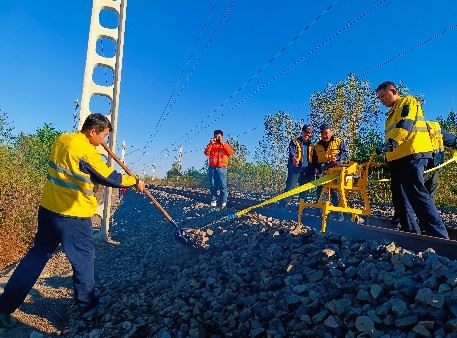
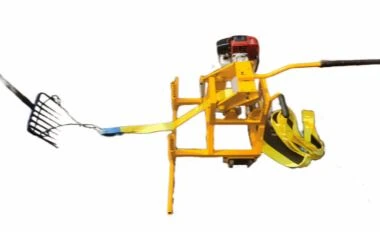
The design of the enclosure and ventilation system needs to take into account the operating conditions of the railway tamper. It should not interfere with the normal operation of the machine, and at the same time, it should be able to withstand the vibrations and impacts associated with the tamping process.
3. Dust - Suppression Agents
In addition to water, dust - suppression agents can also be used to enhance the effectiveness of dust control. These agents are usually chemical compounds that are added to the water in the spraying system. They work by increasing the wetting ability of the water, making it easier for the water droplets to adhere to the dust particles.
There are different types of dust - suppression agents available, such as surfactants, polymers, and salts. Surfactants can reduce the surface tension of water, allowing it to spread more easily on the dust particles. Polymers can form a thin film on the surface of the dust particles, preventing them from becoming airborne again. Salts can absorb moisture from the air, keeping the dust particles moist and heavy.
When using dust - suppression agents, it is important to ensure that they are environmentally friendly and do not cause any harm to the railway infrastructure or the surrounding ecosystem. The dosage of the agents also needs to be carefully controlled to achieve the optimal dust - suppression effect.
4. Regular Maintenance of Equipment
Proper maintenance of the railway tamper is crucial for dust suppression. A well - maintained machine is less likely to generate excessive dust. For example, worn - out tamping tools can cause more ballast disturbance and generate more dust. By regularly inspecting and replacing the tamping tools, the dust generation can be reduced.
The seals and gaskets on the tamper also need to be checked and replaced regularly. Leaky seals can allow dust to escape from the machine, so ensuring their integrity is essential for effective dust control.
In addition, the lubrication of the moving parts of the tamper should be carried out according to the manufacturer's recommendations. Well - lubricated parts operate more smoothly, which can also contribute to reducing dust generation.
5. Training of Operators
The operators of the railway tamper play a vital role in dust suppression. They need to be trained on the proper operation of the machine and the dust - suppression systems. For example, they should know how to adjust the water spraying system according to the dust conditions, and how to operate the ventilation system correctly.
Training should also include awareness of the health risks associated with dust exposure. Operators should be encouraged to wear personal protective equipment, such as dust masks and goggles, when working in dusty environments.
Our Product Offerings
As a railway tamper supplier, we offer a range of high - quality products that are designed with dust - suppression in mind. Our Rail Tamper Machine (also known as rail tamping machine) is equipped with advanced water spraying systems and well - designed enclosures to minimize dust emissions. Our Hydraulic Ballast Tamper Railway also features effective ventilation and dust - suppression agent injection capabilities.
In addition, we also provide the Internal Combustion Slope Protection Shaping Machine, which is suitable for various railway construction and maintenance projects where dust control is required.
Conclusion
Dust suppression during the operation of railway tampers is an important issue that needs to be addressed. By implementing a combination of water spraying systems, enclosure and ventilation, dust - suppression agents, regular equipment maintenance, and operator training, the dust emissions can be effectively reduced. As a railway tamper supplier, we are committed to providing our customers with high - quality products and solutions that meet the highest standards of dust control.
If you are interested in our railway tamper products or have any questions about dust - suppression measures, please feel free to contact us for further discussion and procurement. We look forward to working with you to ensure a cleaner and safer railway construction and maintenance environment.
References
- "Railway Track Maintenance: Principles and Practices" by John D. Andrews
- "Dust Control in Industrial Environments" by David R. Cocker III