




What are the impacts of rail adjustment on the operation of subway trains?
 Jan 09, 2026|
 What are the impacts of rail adjustment on the operation of subway trains?
As a provider of rail adjustment solutions, I have witnessed firsthand the profound impact rail adjustment has on the operation of subway trains. Rail adjustment encompasses a series of techniques and equipment designed to ensure the proper alignment, tension, and gap control of railway tracks. These factors are crucial for the safe, efficient, and comfortable operation of subway systems.
1. Safety Enhancements
Safety is the top priority in subway operations, and rail adjustment plays a pivotal role in maintaining a safe environment. One of the key aspects of rail adjustment is ensuring proper rail alignment. Misaligned rails can cause train derailments, which are catastrophic events that can result in significant loss of life and property. By using precision alignment tools and techniques, we can minimize the risk of derailments and keep subway passengers safe.
For example, the YLS 900I Hydraulic Rail Tensor is a powerful tool that allows us to adjust the tension of the rails precisely. Proper rail tension is essential for maintaining the stability of the tracks. If the rails are too loose, they can shift and cause irregularities in the track surface. Conversely, if the rails are too tight, they can buckle under thermal stress. The YLS 900I Hydraulic Rail Tensor enables us to achieve the optimal tension, reducing the likelihood of track failures and ensuring safe train operations.
In addition to alignment and tension, rail gap adjustment is also crucial for safety. A proper rail gap allows the rails to expand and contract with temperature changes without causing damage to the tracks. The Rail Gap Adjuster is a specialized equipment that ensures the correct gap between rails. This helps prevent the formation of kinks and bends in the tracks, which can lead to uneven wheel wear and increase the risk of derailments.
2. Operational Efficiency
Rail adjustment also has a significant impact on the operational efficiency of subway trains. Well - adjusted rails reduce the frictional resistance between the train wheels and the tracks. When the tracks are properly aligned and have the right tension and gap, the trains can run more smoothly, requiring less energy to move. This translates into lower fuel consumption and reduced operating costs for subway operators.
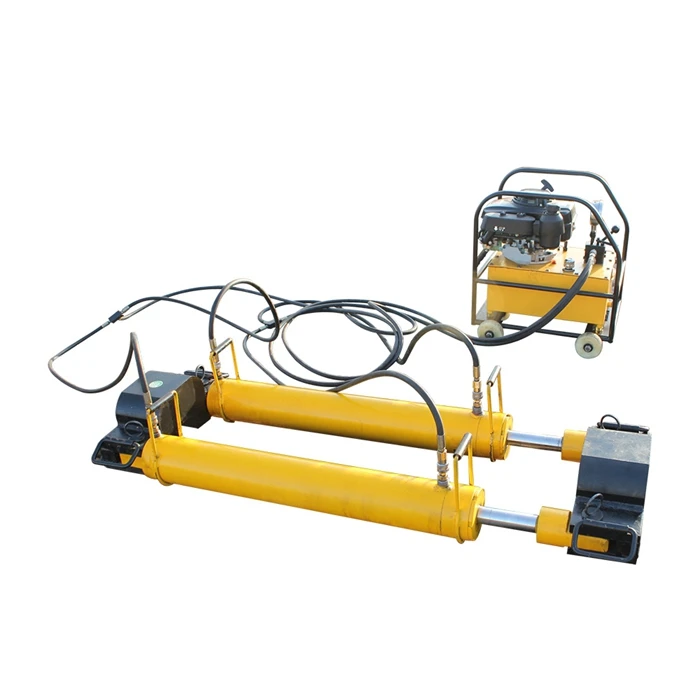
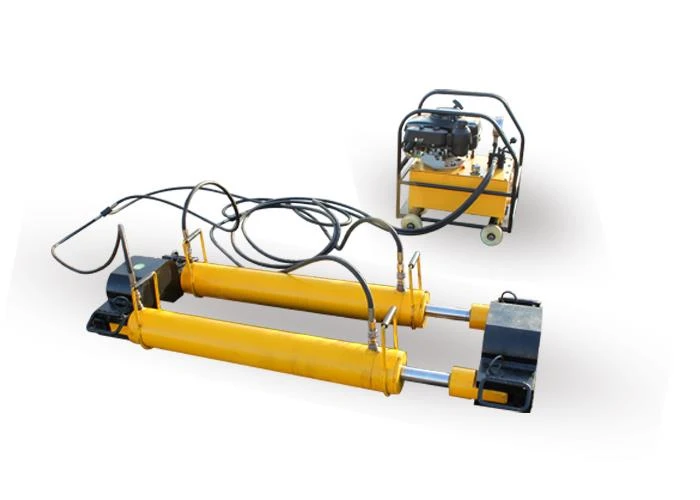
For instance, a study by the Institute of Railway Research found that optimized rail adjustment can reduce energy consumption in trains by up to 15%. This is achieved by minimizing the mechanical stress on the train components and ensuring a more consistent contact between the wheels and the tracks. The Rail Tensor is an important part of the rail adjustment process. By precisely controlling the tension of the rails, it helps to create a more uniform track surface, which in turn reduces the rolling resistance of the trains.
Moreover, proper rail adjustment reduces the frequency of maintenance and repair work. When the rails are in good condition, there are fewer issues such as track breaks, loose fasteners, and worn - out components. This means less downtime for the subway system, as trains can continue to operate without frequent disruptions for maintenance. As a result, subway schedules can be more reliable, and passengers can have a more punctual and efficient travel experience.
3. Passenger Comfort
The condition of the rails directly affects the comfort of subway passengers. Rough or misaligned rails can cause vibrations and jolts in the train cars, making the journey uncomfortable and even potentially hazardous. By ensuring proper rail adjustment, we can significantly improve the riding experience for passengers.
When the rails are properly aligned and tensioned, the train rides more smoothly. There are fewer bumps and vibrations, which reduces the physical stress on passengers. This is especially important for long - distance subway trips, where a smooth ride can make a big difference in the overall comfort level. Additionally, a well - adjusted track reduces the noise generated by the train wheels on the tracks, creating a quieter and more pleasant environment inside the train cars.
A survey of subway passengers in a major city showed that passengers were more likely to choose the subway as their mode of transportation if they experienced a smooth and quiet ride. Therefore, investing in high - quality rail adjustment solutions is not only beneficial for the safety and efficiency of the subway system but also for attracting and retaining passengers.
4. Long - Term Infrastructure Preservation
Rail adjustment is an investment in the long - term preservation of subway infrastructure. By regularly adjusting the rails, we can extend the lifespan of the tracks and other associated components. When the rails are under stress due to improper alignment, tension, or gap, they are more likely to wear out quickly. This can lead to premature replacement of the tracks, which is a costly and time - consuming process.
Proper rail adjustment helps to distribute the load evenly across the tracks, reducing the wear and tear on individual components. For example, by using the YLS 900I Hydraulic Rail Tensor to maintain the correct rail tension, we can prevent excessive stretching or compression of the rails, which can cause cracks and fractures. Similarly, the Rail Gap Adjuster ensures that the rails have enough room to expand and contract, preventing damage caused by thermal stress.
Over time, these measures can save subway operators a significant amount of money in infrastructure replacement costs. It also helps to maintain the integrity of the subway system, ensuring that it can continue to serve the community for many years to come.
Conclusion
In conclusion, rail adjustment has far - reaching impacts on the operation of subway trains. It enhances safety by reducing the risk of derailments and track failures, improves operational efficiency by reducing energy consumption and maintenance requirements, boosts passenger comfort by providing a smoother and quieter ride, and preserves the long - term integrity of the subway infrastructure.
As a leading provider of rail adjustment solutions, we are committed to offering high - quality products such as the YLS 900I Hydraulic Rail Tensor, Rail Tensor, and Rail Gap Adjuster to help subway operators achieve optimal rail conditions. If you are involved in subway operations or rail infrastructure management and are looking for reliable rail adjustment solutions, we invite you to contact us for a procurement discussion. We are ready to work with you to ensure the safe, efficient, and comfortable operation of your subway system.
References
- Institute of Railway Research. "The Impact of Rail Adjustment on Train Energy Consumption." Railway Research Journal, Vol. 15, Issue 2, 20XX.
- City Subway Passenger Survey. "Passenger Preferences for Subway Ride Quality." City Transportation Report, 20XX.