




What are the skills required to be a railway car engineer?
 Sep 19, 2025|
 What are the skills required to be a railway car engineer?
In the dynamic and ever - evolving field of railway car engineering, a unique blend of skills is essential for professionals to thrive. As a railway car supplier, I've witnessed firsthand the importance of these skills in ensuring the design, production, and maintenance of high - quality railway cars.
Technical Skills
Mechanical Engineering Knowledge
A solid foundation in mechanical engineering is the cornerstone of a railway car engineer's skill set. This includes understanding principles of mechanics, such as kinematics, dynamics, and thermodynamics. For instance, when designing the suspension system of a railway car, engineers need to apply kinematic principles to ensure smooth movement and proper weight distribution. They must calculate the forces acting on the wheels and axles during acceleration, deceleration, and turning, using dynamic analysis. Thermodynamics comes into play when dealing with the heating, ventilation, and air - conditioning (HVAC) systems of the railway cars, ensuring that the interior environment remains comfortable for passengers.
Electrical Engineering Skills
Modern railway cars are highly electrified. Electrical engineers are responsible for designing and maintaining the electrical systems that power everything from the lighting and communication systems to the traction motors. Knowledge of electrical circuits, power distribution, and control systems is crucial. For example, the traction motor is the heart of the railway car's propulsion system. Engineers need to understand how to design and control these motors to provide efficient and reliable power. They also have to deal with issues such as electrical safety, grounding, and electromagnetic interference (EMI) to ensure the proper functioning of all electrical components.
Materials Science and Engineering
Selecting the right materials is vital for the performance and durability of railway cars. Engineers must be well - versed in materials science to choose materials that can withstand the harsh operating conditions of railway transportation. For example, the body of the railway car needs to be made of materials that are strong, lightweight, and corrosion - resistant. Aluminum alloys are often used for the car body due to their high strength - to - weight ratio. Engineers also need to understand the manufacturing processes related to these materials, such as welding and forming, to ensure that the final product meets the required standards.
CAD/CAM Proficiency
Computer - Aided Design (CAD) and Computer - Aided Manufacturing (CAM) software are indispensable tools for railway car engineers. CAD allows engineers to create detailed 3D models of railway cars, which can be used for design analysis, visualization, and communication with other stakeholders. CAM, on the other hand, is used to generate the instructions for manufacturing processes, such as machining and cutting. Proficiency in CAD/CAM software enables engineers to streamline the design and manufacturing process, reduce errors, and improve efficiency. For example, using CAD software, engineers can simulate the behavior of a railway car under different loading conditions and make design modifications before the actual production.
Problem - Solving and Analytical Skills
Troubleshooting
Railway car engineers often encounter various problems during the design, production, and operation of railway cars. Troubleshooting skills are essential for identifying the root cause of these problems and finding effective solutions. For example, if a railway car experiences abnormal vibrations during operation, engineers need to use their analytical skills to determine whether the problem is due to a faulty suspension system, unbalanced wheels, or other factors. They may use diagnostic tools such as vibration sensors and data analysis software to collect and analyze data, and then develop a plan to fix the problem.
Risk Assessment and Management
In the railway industry, safety is of utmost importance. Engineers need to be able to assess the risks associated with different design decisions and operating conditions. For example, when designing a new railway car, engineers need to consider the risks of derailment, collision, and fire. They must use risk assessment techniques to identify potential hazards and develop mitigation strategies. This may involve implementing safety features such as anti - collision systems, fire suppression systems, and emergency exits.
Project Management Skills
Planning and Scheduling
Railway car projects are often large - scale and complex, involving multiple stakeholders and tight deadlines. Engineers need to have good project management skills to plan and schedule the various tasks involved in the project. This includes defining the project scope, setting milestones, and allocating resources. For example, in a project to develop a new type of railway car, engineers need to plan the design phase, the prototyping phase, the testing phase, and the production phase. They also need to coordinate with suppliers, manufacturers, and testing agencies to ensure that the project stays on track.
Cost Management
Cost is an important factor in railway car projects. Engineers need to be able to manage the project budget effectively. This involves estimating the costs of materials, labor, and equipment, and finding ways to reduce costs without sacrificing quality. For example, by optimizing the design of the railway car, engineers can reduce the amount of materials used, which can significantly lower the production cost. They also need to monitor the project costs during the implementation phase and take corrective actions if the costs are exceeding the budget.
Communication and Teamwork Skills
Inter - departmental Communication
In a railway car supplier company, engineers need to communicate effectively with different departments, such as sales, marketing, and production. For example, engineers need to work closely with the sales team to understand the customer requirements and translate them into design specifications. They also need to communicate with the production team to ensure that the design can be manufactured efficiently. Good communication skills, both verbal and written, are essential for sharing information, resolving conflicts, and building strong relationships within the company.
Collaboration with External Partners
Railway car projects often involve collaboration with external partners, such as suppliers, research institutions, and regulatory agencies. Engineers need to be able to work effectively in a team environment with these external partners. For example, when developing a new technology for railway cars, engineers may collaborate with research institutions to conduct joint research and development. They also need to work with regulatory agencies to ensure that the railway cars meet the relevant safety and environmental standards.
Adaptability and Continuous Learning
Industry Trends and Technological Advancements
The railway industry is constantly evolving, with new technologies and trends emerging all the time. Railway car engineers need to be adaptable and willing to learn new things. For example, the development of autonomous railway systems and the use of artificial intelligence in railway operations are new trends that engineers need to keep up with. By staying updated with the latest industry trends, engineers can incorporate new technologies into their designs and improve the performance and competitiveness of the railway cars.
Regulatory Changes
Regulatory requirements for railway cars are also constantly changing. Engineers need to be aware of these changes and ensure that the railway cars they design and produce comply with the new regulations. For example, new safety regulations may require the installation of additional safety features in railway cars. Engineers need to be able to adapt their designs to meet these new requirements.
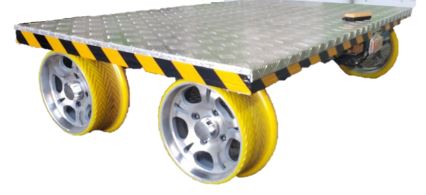
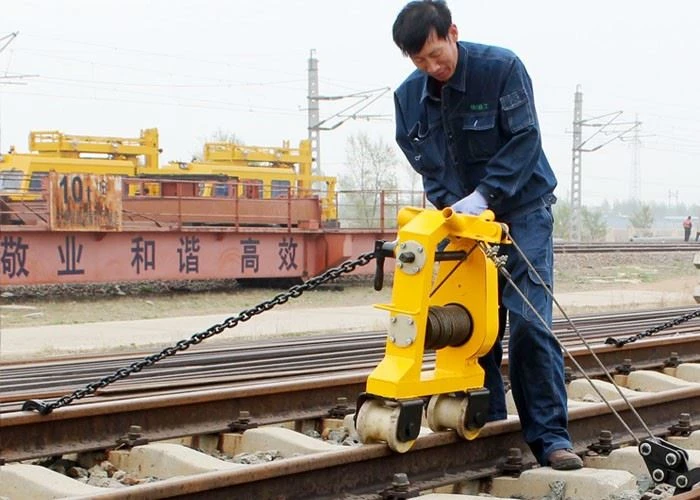
As a railway car supplier, we offer a wide range of railway transport products. You can explore our For Railway Transporting Tools Rail Transporting Device, which is designed with the latest engineering skills to ensure efficient and reliable transportation. Our Smart Mini Battery Rail Trolley is a great example of our innovative engineering, combining advanced electrical and mechanical technologies. And for track replacement needs, our Track Replacement Vehicle is engineered to meet the highest standards of performance and safety.
If you are interested in our railway car products or have any specific requirements, we invite you to contact us for procurement and further discussions. Our team of experienced engineers is ready to work with you to provide the best solutions for your railway transportation needs.
References
- Engineering Mechanics: Dynamics by J.L. Meriam and L.G. Kraige
- Electrical Engineering Principles and Applications by Allan R. Hambley
- Materials Science and Engineering: An Introduction by William D. Callister
- Project Management: A Systems Approach to Planning, Scheduling, and Controlling by Harold Kerzner