




What is the significance of aerodynamics in railway vehicle design?
 Sep 18, 2025|
 Hey there! As a supplier in the railway vehicle industry, I've seen firsthand how crucial aerodynamics is in railway vehicle design. In this blog, I'm gonna break down the significance of aerodynamics and why it matters so much in our field.
1. Energy Efficiency
Let's start with energy efficiency. When a train moves, it has to push through the air. This creates air resistance, or drag. The more drag a train experiences, the more energy it needs to keep moving. That's where aerodynamics comes in.
By designing railway vehicles with smooth, streamlined shapes, we can reduce drag significantly. Think about it like this: a bullet-shaped train nose cuts through the air more easily than a flat one. This means less energy is wasted fighting the air, and the train can use that saved energy to go faster or carry more passengers and cargo.
For example, high - speed trains like the Shinkansen in Japan are designed with aerodynamics in mind. Their sleek designs help them achieve high speeds while using less energy. This not only saves money on fuel costs but also reduces the environmental impact of railway transportation. It's a win - win situation!
As a railway vehicle supplier, we focus on creating designs that optimize aerodynamics. This involves using advanced computer simulations to test different shapes and configurations. We're always looking for ways to make our trains more energy - efficient, and aerodynamics is a key part of that equation.
2. Noise Reduction
Another important aspect of aerodynamics in railway vehicle design is noise reduction. When a train moves at high speeds, the air flowing around it can create a lot of noise. This noise can be a nuisance for passengers inside the train and for people living near the tracks.
Aerodynamic designs can help reduce this noise. By smoothing out the airflow around the train, we can minimize the turbulence that causes noise. For instance, using rounded edges and fairings on the train body can prevent the formation of large eddies of air, which are major sources of noise.
We also pay attention to the placement of components on the train. Things like antennas and ventilation systems can disrupt the airflow and create noise if not properly designed and positioned. By integrating these components into the overall aerodynamic design, we can reduce their impact on noise levels.
This is a big deal for us as a supplier. Passengers expect a quiet and comfortable ride, and communities around railway tracks want to be free from excessive noise. So, we're constantly working on improving our aerodynamic designs to meet these expectations.
3. Stability and Safety
Aerodynamics plays a vital role in the stability and safety of railway vehicles. When a train is moving, the forces exerted by the air can affect its stability. For example, strong cross - winds can push a train off - balance if it's not designed to handle them properly.
A well - designed aerodynamic shape can help a train resist these external forces. By distributing the air pressure evenly around the train body, we can keep the train stable even in challenging weather conditions. This is especially important for high - speed trains, which are more susceptible to the effects of cross - winds.
In addition, aerodynamics can also improve the braking performance of a train. When a train brakes, the air resistance can act as an additional braking force. By optimizing the aerodynamic design, we can enhance this effect, allowing the train to stop more quickly and safely.
As a supplier, safety is our top priority. We conduct extensive wind tunnel tests and on - track experiments to ensure that our railway vehicles are stable and safe under all operating conditions. Aerodynamics is a fundamental part of achieving this goal.
4. Impact on Passenger Comfort
Passenger comfort is another area where aerodynamics makes a difference. A train with good aerodynamics has a more stable ride, which means less vibration and shaking for the passengers. This is particularly important on long - distance journeys, where a smooth ride can make all the difference.
Moreover, the reduced noise levels due to aerodynamic design also contribute to a more comfortable environment inside the train. Passengers can relax, read, or work without being constantly disturbed by the noise of the train moving through the air.
We understand that passenger comfort is a key factor in the success of our railway vehicles. That's why we invest a lot of time and resources in researching and developing aerodynamic designs that enhance the overall passenger experience.
5. Technological Advancements and Aerodynamics
In recent years, there have been significant technological advancements in the field of aerodynamics. New materials and manufacturing techniques have allowed us to create more complex and efficient aerodynamic shapes.
For example, the use of lightweight composite materials has made it possible to build trains with thinner and more streamlined bodies. These materials are not only strong but also reduce the overall weight of the train, further improving its energy efficiency.
In addition, computational fluid dynamics (CFD) has revolutionized the way we design railway vehicles. With CFD, we can simulate the airflow around a train in a virtual environment, allowing us to test different designs quickly and cost - effectively. This has accelerated the development process and enabled us to create better - performing trains.
As a supplier, we're always at the forefront of these technological advancements. We collaborate with research institutions and other industry players to incorporate the latest aerodynamic technologies into our railway vehicle designs.
Our Product Range and Aerodynamics
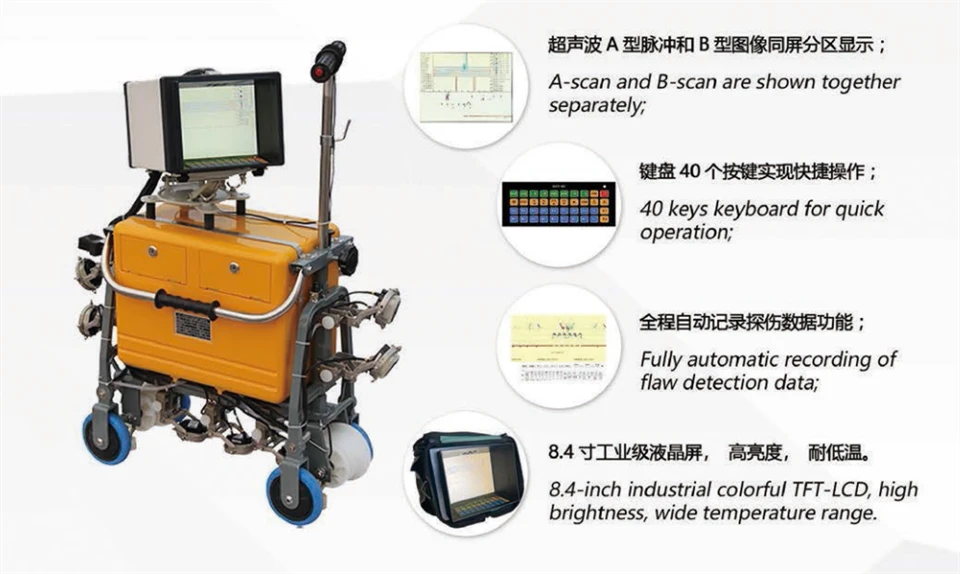
At our company, we offer a wide range of railway vehicles, each designed with aerodynamics in mind. For example, our Rail Ultrasonic Flaw Detector is not only a high - tech tool for inspecting railway tracks but also has an aerodynamic design to ensure smooth operation on the tracks.
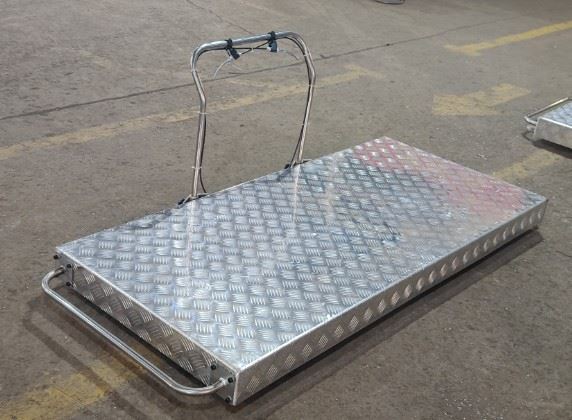
We also have the 500kg insulated alloy Rail Trolley By Manual. This trolley is designed with a shape that minimizes drag, making it easier to move along the tracks manually or with a small motor.
And of course, our Rail Trolley is another product where aerodynamics plays a role. Its streamlined design helps it move efficiently, whether it's used for maintenance or transporting small loads on the railway tracks.
Conclusion
In conclusion, aerodynamics is of utmost significance in railway vehicle design. It affects energy efficiency, noise reduction, stability and safety, passenger comfort, and is closely tied to technological advancements in the industry.
As a railway vehicle supplier, we're committed to leveraging the power of aerodynamics to create the best - possible railway vehicles for our customers. Whether you're a railway operator looking for energy - efficient trains or a maintenance team in need of a reliable rail trolley, we have the products and expertise to meet your needs.
If you're interested in learning more about our railway vehicle products or have any questions about aerodynamics in railway design, we'd love to hear from you. Reach out to us for a discussion on how we can work together to meet your specific requirements. Let's make railway transportation more efficient, comfortable, and safe!
References
- White, F. M. (2003). Fluid Mechanics. McGraw - Hill.
- Schlichting, H., & Gersten, K. (2000). Boundary - Layer Theory. Springer.
- Pope, S. B. (2000). Turbulent Flows. Cambridge University Press.