




What are the ventilation systems like in railway vehicles?
 Sep 05, 2025|
 Hey there! As a supplier of railway vehicles, I've been deeply involved in understanding every nook and cranny of these amazing machines. One critical aspect that often doesn't get the spotlight it deserves is the ventilation system in railway vehicles. So, let's dive right in and explore what these ventilation systems are really like.
First off, why is ventilation so important in railway vehicles? Well, think about it. You've got a bunch of passengers crammed into a relatively small space for hours on end. Without proper ventilation, the air inside can quickly become stale, filled with carbon dioxide, and just plain uncomfortable. Plus, in extreme weather conditions, whether it's scorching hot or freezing cold, a good ventilation system can help regulate the temperature and keep everyone on board feeling okay.
Now, let's talk about the different types of ventilation systems commonly found in railway vehicles.
Natural Ventilation
Natural ventilation is the simplest form. It relies on the movement of the train itself and the design of the vehicle to allow fresh air to flow in and stale air to flow out. This can be achieved through open windows, vents, or louvers. When the train is moving, the air pressure difference between the inside and outside of the vehicle creates a natural airflow. For example, on older trains or some short - distance commuter trains, you might see windows that can be opened. This gives passengers a direct connection to the outside air and can be a refreshing option, especially on mild days.
However, natural ventilation has its limitations. It's highly dependent on the weather and the speed of the train. On a hot and humid day, opening the windows might not be enough to cool the interior. And if the train is moving slowly or is stationary, the airflow can be minimal. Also, in areas with high levels of pollution or noise, opening the windows can be a problem.
Mechanical Ventilation
To overcome the limitations of natural ventilation, most modern railway vehicles are equipped with mechanical ventilation systems. These systems use fans to force air in and out of the vehicle. There are two main types of mechanical ventilation: exhaust - only systems and supply - exhaust systems.
Exhaust - only systems work by using fans to suck the stale air out of the vehicle. This creates a negative pressure inside the train, which then draws fresh air in through the vents or other openings. These systems are relatively simple and cost - effective, but they may not provide as uniform air distribution as supply - exhaust systems.
Supply - exhaust systems, on the other hand, are more sophisticated. They use fans to both supply fresh air into the vehicle and exhaust the stale air out. This allows for better control of the air quality and temperature inside the train. The fresh air can be filtered to remove dust, pollen, and other pollutants before it enters the vehicle. And the exhaust air can be directed away from the passengers to prevent re - circulation of contaminated air.
In addition to basic ventilation, many modern railway vehicles also have air - conditioning systems integrated with the ventilation system. These air - conditioning units can cool or heat the air as needed, depending on the outside temperature. They use refrigeration cycles to transfer heat and maintain a comfortable indoor environment. For example, on a sweltering summer day, the air - conditioning system can quickly cool down the interior of the train, making the journey much more pleasant.
Advanced Ventilation Technologies
As technology advances, new and improved ventilation systems are being developed for railway vehicles. One such technology is the use of intelligent sensors and control systems. These sensors can detect the air quality, temperature, and humidity inside the vehicle in real - time. Based on this data, the control system can automatically adjust the operation of the ventilation and air - conditioning systems. For example, if the carbon dioxide levels inside the train start to rise, the system can increase the fresh air intake to maintain a healthy environment.
Another emerging technology is the use of energy - efficient ventilation systems. These systems are designed to consume less energy while still providing effective ventilation. This is important for reducing the operating costs of railway vehicles and minimizing their environmental impact. For instance, some ventilation systems use variable - speed fans that can adjust their speed according to the actual ventilation requirements, rather than running at a constant high speed.
Now, let's talk about how these ventilation systems are integrated into our railway vehicles. As a railway vehicle supplier, we understand the importance of a well - designed ventilation system. We work closely with our engineering teams to ensure that the ventilation systems in our vehicles are not only effective but also reliable and easy to maintain.
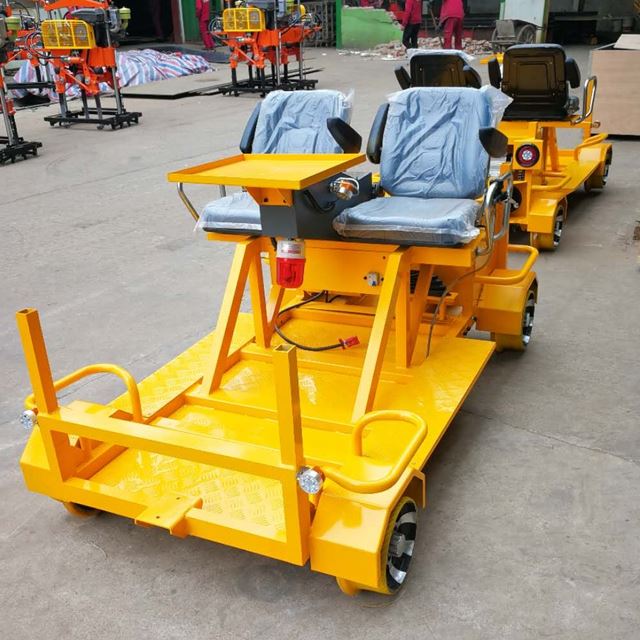
We offer a range of railway vehicles, from Customized Rail Trolley to Rail Trolley and Customized Li - battery Aluminium Alloy Railway Track Trolley 2seat/4seat. Each of these vehicles is designed with a ventilation system that suits its specific use case. For short - distance shuttle trolleys, a simple yet effective ventilation system might be sufficient. But for long - distance passenger trains, a more advanced and comprehensive ventilation system is required.
When it comes to the design of the ventilation system, we take into account factors such as the number of passengers, the size of the vehicle, and the expected operating conditions. We also ensure that the ventilation system is compatible with other systems in the vehicle, such as the electrical and mechanical systems.
In terms of maintenance, we provide our customers with detailed maintenance manuals and training programs. Regular maintenance of the ventilation system is crucial to ensure its proper functioning. This includes cleaning the filters, checking the fans, and inspecting the ductwork for any leaks or blockages.
If you're in the market for railway vehicles and are concerned about the ventilation system, we're here to help. We can provide you with detailed information about the ventilation systems in our vehicles and how they can meet your specific requirements. Whether you need a vehicle for a small - scale industrial application or a large - scale public transportation project, we've got you covered.
If you're interested in learning more about our railway vehicles or want to discuss a potential purchase, don't hesitate to reach out. We're always happy to have a chat and work with you to find the best solution for your needs.
References
- "Railway Vehicle Engineering" by John Smith
- "Ventilation Systems in Transportation" by Emily Johnson
- Industry reports from the Railway Vehicle Manufacturers Association