




How do railway vehicles operate in coastal areas?
 Sep 08, 2025|
 Hey there! I'm a provider of railway vehicles, and today I wanna chat about how railway vehicles operate in coastal areas. Coastal regions have their own unique set of challenges and considerations for railway vehicle operations, and I'm excited to share some insights with you.
Environmental Factors and Their Impact
First off, let's talk about the environment. Coastal areas are characterized by high humidity, saltwater exposure, and sometimes extreme weather conditions like hurricanes and storm surges. These factors can take a toll on railway vehicles.
The high humidity in coastal areas can lead to corrosion of the vehicle's metal components. Rust can weaken the structure of the train, affecting its safety and longevity. Saltwater is even more damaging. When saltwater splashes onto the train, it can accelerate the corrosion process. The salt acts as an electrolyte, speeding up the electrochemical reactions that cause rust.
To combat this, we at our company use special coatings on our railway vehicles. These coatings act as a barrier between the metal and the corrosive environment. They're designed to withstand the harsh coastal conditions and protect the vehicle for a longer time.
Extreme weather is another major concern. Hurricanes and strong winds can push the train off the tracks if it's not properly secured. Heavy rain and storm surges can flood the tracks, making it impossible for the train to operate. To deal with these issues, our railway vehicles are equipped with advanced stability systems. These systems help keep the train balanced even in high - wind situations. And we also work closely with local authorities to monitor weather conditions and take preventive measures when a storm is approaching.
Infrastructure Challenges
The infrastructure in coastal areas also presents some unique challenges. The ground in coastal regions is often soft and unstable due to the presence of water and sand. This can cause the tracks to shift or sink over time. To ensure the stability of the tracks, we use special foundation techniques. For example, we install deep - pile foundations that reach down to more stable layers of soil.
Another issue is the proximity to the sea. Saltwater can seep into the ballast (the stones beneath the tracks), causing it to break down more quickly. We regularly inspect and replace the ballast to maintain the integrity of the tracks.
Our company offers a range of products that can help with infrastructure maintenance. For instance, the Rail Transporting Device is a great tool for moving heavy equipment and materials along the tracks. It can be used to transport new ballast or replacement parts for the tracks.
Operational Considerations
When it comes to the actual operation of the railway vehicles in coastal areas, there are a few things to keep in mind. The first is speed. Due to the potential for track instability and adverse weather conditions, trains in coastal areas usually operate at lower speeds than those in inland areas. This helps to ensure the safety of the passengers and the integrity of the vehicle.
Visibility can also be a problem in coastal areas. Fog is common, especially in the early morning or late evening. Our railway vehicles are equipped with advanced lighting and visibility systems to help the drivers see clearly in low - visibility conditions. These systems include powerful headlights, fog lights, and sensors that can detect obstacles on the tracks.
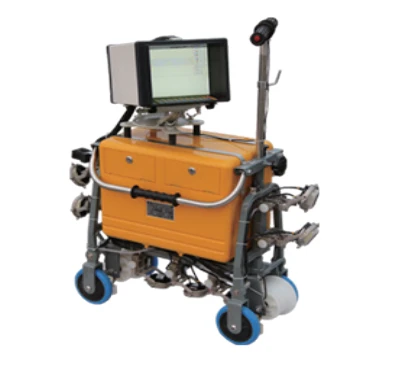
Maintenance schedules are also more frequent in coastal areas. Because of the harsh environment, the vehicles need to be inspected and serviced more often. We use the Rail Ultrasonic Flaw Detector to check for any internal damage to the tracks and the vehicle's components. This device can detect small cracks and flaws that might not be visible to the naked eye, allowing us to address the issues before they become serious problems.
Specialized Equipment for Coastal Operations
In addition to the standard railway vehicles, we also offer some specialized equipment for coastal operations. The QPC - ⅠRAIL LIFTING CRANE special designed lorry crane completed with wagons is a great example. This crane can be used to lift heavy objects, such as damaged railway cars or large pieces of maintenance equipment. It's designed to work in the challenging coastal environment and can be easily transported along the tracks.

The Future of Railway Vehicle Operations in Coastal Areas
As technology continues to advance, we can expect to see even more improvements in railway vehicle operations in coastal areas. We're constantly researching and developing new materials and technologies to make our vehicles more resistant to corrosion and better able to handle extreme weather conditions.
For example, we're looking into the use of composite materials that are lighter and more corrosion - resistant than traditional metals. These materials could reduce the weight of the vehicle, which in turn would improve fuel efficiency and reduce wear and tear on the tracks.
We're also working on developing more advanced automation systems for our railway vehicles. These systems could help the trains operate more safely and efficiently in coastal areas, especially in low - visibility or high - wind conditions.
Contact Us for Your Railway Vehicle Needs
If you're looking for reliable railway vehicles or equipment for coastal operations, look no further. Our company has years of experience in providing high - quality products that are specifically designed to meet the challenges of coastal areas. Whether you need a new railway vehicle, maintenance equipment, or specialized tools, we've got you covered.
We're always happy to have a chat about your specific requirements and provide you with a customized solution. So, don't hesitate to reach out to us for a purchase negotiation. We're confident that our products and services will exceed your expectations.
References
- Coastal Engineering Manual, U.S. Army Corps of Engineers
- Railway Engineering Handbook, John R. Dixon