




What equipment is needed for rail adjustment?
 Aug 21, 2025|
 Rail adjustment is a critical task in the railway industry, ensuring the safety, stability, and longevity of railway tracks. As a professional rail adjustment equipment supplier, I understand the importance of having the right tools for the job. In this blog post, I'll delve into the essential equipment required for rail adjustment, providing insights into their functions and applications.
1. Rail Stretching and Gap Adjusting Equipment
Hydraulic Rail Tensors
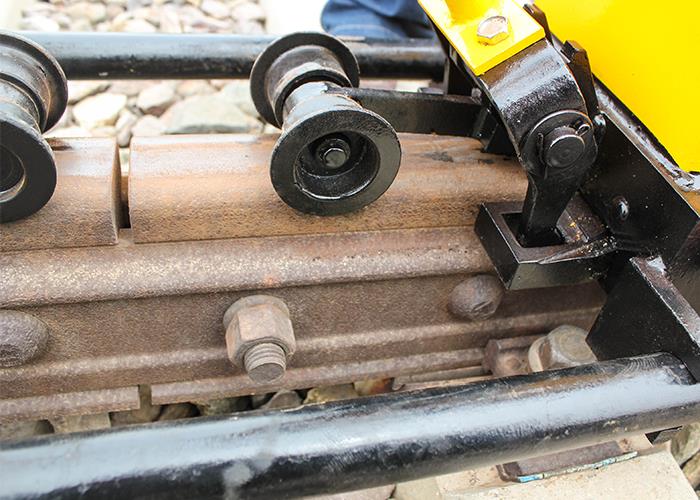
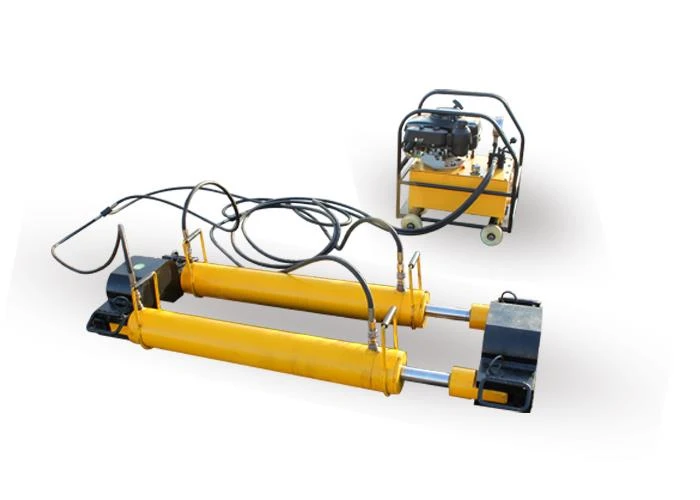
Hydraulic rail tensors are indispensable tools for rail adjustment. They are designed to stretch the rail to the desired length, which is crucial for maintaining the correct tension in the rail. This helps prevent issues such as rail buckling in hot weather and rail breakage in cold conditions.
One of our flagship products, the YLS 900I Hydraulic Rail Tensor, is a high - performance device. It uses advanced hydraulic technology to provide a powerful and precise stretching force. The YLS 900I is built with a robust structure, ensuring its durability even under harsh working conditions. It can be easily operated by trained personnel, making it a reliable choice for railway maintenance teams.
Hydraulic Rail Gap Adjusters
Hydraulic rail gap adjusters are used to adjust the gaps between rail joints. Proper gap adjustment is essential for smooth train operation and to prevent excessive wear and tear on the rails and train wheels.
The YTF 400 II Good Quality Hydraulic Rail Gap Adjuster is a top - of - the - line product in this category. It offers a high level of precision in gap adjustment. The hydraulic system provides a stable and controllable force, allowing for accurate setting of the rail gaps. This adjuster is also designed with user - friendly features, such as easy - to - read gauges and simple operation controls.
Another excellent option is the YTF 250 Hydraulic Rail Gap Adjuster. It is a more compact and lightweight version, suitable for applications where space is limited or for tasks that require more mobility. Despite its smaller size, the YTF 250 still delivers reliable performance and accurate gap adjustment.
2. Measuring Equipment
Rail Profile Gauges
Rail profile gauges are used to measure the cross - sectional shape of the rail. Over time, the rail profile can change due to wear and tear from train traffic. By regularly measuring the rail profile, railway maintenance teams can detect any deviations from the standard profile and take appropriate corrective actions. A precise rail profile ensures better contact between the train wheels and the rails, improving safety and reducing energy consumption.
Rail Level and Alignment Measuring Tools
Maintaining the correct level and alignment of the rails is crucial for safe and smooth train operation. Tools such as laser levels and alignment rods are used to measure the height and alignment of the rails. Laser levels can project a straight and accurate reference line, allowing workers to easily determine if the rails are at the correct height and alignment. Alignment rods are used to measure the lateral alignment of the rails, ensuring that they are parallel to each other.
3. Fastening and Clamping Equipment
Rail Clamps
Rail clamps are used to secure the rails in place during the adjustment process. They prevent the rails from moving or shifting, ensuring that the adjustment work can be carried out accurately. There are different types of rail clamps available, including mechanical clamps and hydraulic clamps. Mechanical clamps are simple and reliable, while hydraulic clamps offer a more powerful and adjustable clamping force.
Fastening Tools
Fastening tools are used to install and tighten the rail fasteners, such as bolts and clips. Properly tightened fasteners are essential for keeping the rails firmly in place and preventing them from loosening over time. Tools like torque wrenches are used to ensure that the fasteners are tightened to the correct torque specification, which is crucial for maintaining the integrity of the rail track.
4. Safety Equipment
Personal Protective Equipment (PPE)
Safety should always be the top priority in rail adjustment work. Workers should wear appropriate personal protective equipment, including hard hats, safety glasses, ear protection, and safety shoes. Hard hats protect the head from falling objects, safety glasses shield the eyes from debris, ear protection reduces the noise level, and safety shoes protect the feet from potential hazards.
Warning Signs and Barriers
Warning signs and barriers are used to mark the work area and prevent unauthorized access. They help to ensure the safety of both the workers and the public. Brightly colored warning signs should be placed around the work area, indicating the nature of the work and any potential hazards. Barriers can be used to physically block off the work area, preventing people and vehicles from entering.
Conclusion
In conclusion, rail adjustment requires a comprehensive set of equipment to ensure the safety, efficiency, and accuracy of the work. From hydraulic stretching and gap - adjusting devices to measuring tools, fastening equipment, and safety gear, each piece of equipment plays a vital role in the rail adjustment process.
As a rail adjustment equipment supplier, we are committed to providing high - quality products that meet the needs of our customers. Our products are designed and manufactured with the latest technology and strict quality control standards, ensuring their reliability and performance.
If you are in need of rail adjustment equipment, we invite you to contact us for more information and to discuss your specific requirements. Our team of experts is ready to assist you in choosing the right equipment for your project. We look forward to working with you to ensure the smooth operation of your railway tracks.
References
- Railway Maintenance Handbook, various editions.
- Industry standards and guidelines for rail adjustment and maintenance.