




What is the cutting load capacity of a Railway Cutter?
 Sep 24, 2025|
 The cutting load capacity of a railway cutter is a crucial parameter that determines its efficiency and suitability for various railway maintenance and construction tasks. As a leading supplier of railway cutters, we understand the significance of this metric and strive to provide high - performance equipment that meets the diverse needs of our customers.
Understanding Cutting Load Capacity
Cutting load capacity refers to the maximum amount of load or resistance that a railway cutter can handle during the cutting process. It is typically measured in terms of the thickness and hardness of the rail material that the cutter can effectively cut through. Several factors influence the cutting load capacity of a railway cutter, including the power of the cutting mechanism, the design of the cutting blade, and the overall build quality of the machine.
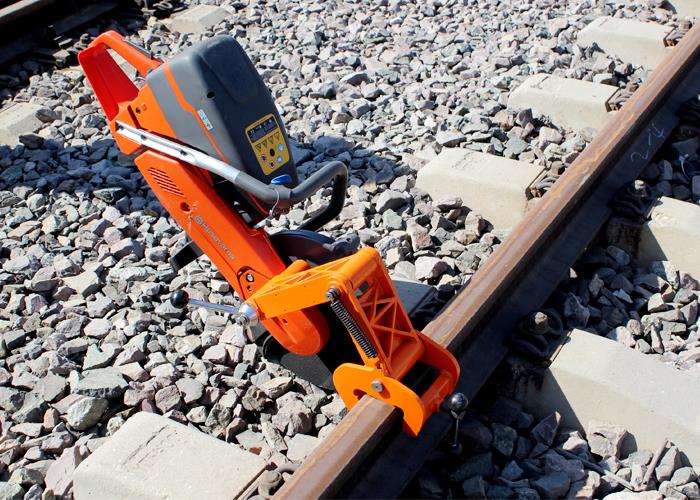
The power source of a railway cutter plays a vital role in determining its cutting load capacity. For instance, internal combustion engines are commonly used in many railway cutters due to their high power output. Our Internal Combustion After Welding Rail Bottom Shearing Machine Grinding Machine is powered by a robust internal combustion engine that provides sufficient power to cut through thick and hard - to - cut rails. The engine's power allows the cutter to maintain a consistent cutting speed even under heavy loads, ensuring efficient and precise cuts.
The design of the cutting blade is another critical factor. A well - designed blade can distribute the cutting force evenly, reducing the stress on the cutter and increasing its cutting load capacity. Our blades are made from high - quality materials that are specifically engineered to withstand the high pressures and temperatures generated during the cutting process. They are also designed with a sharp cutting edge that can penetrate the rail material easily, minimizing the cutting resistance and improving the overall cutting performance.

Impact of Cutting Load Capacity on Railway Projects
The cutting load capacity of a railway cutter has a direct impact on the efficiency and cost - effectiveness of railway projects. In large - scale railway construction projects, where a significant amount of rail cutting is required, a cutter with a high cutting load capacity can significantly reduce the cutting time. This means that more rails can be cut in a shorter period, speeding up the overall construction process.
For example, our K1270 Professional Design Internal Combustion Rail Cutting Machine is designed to handle high - load cutting tasks. Its powerful engine and advanced blade design enable it to cut through thick rails quickly and accurately. This not only saves time but also reduces labor costs associated with the cutting process.
In railway maintenance projects, the cutting load capacity is equally important. When replacing damaged rails or making adjustments to the railway track, a cutter with the appropriate cutting load capacity can ensure that the cuts are made cleanly and precisely. This is essential for maintaining the safety and integrity of the railway track. Our NZM - 4.9 Rail Vertical Grinding Machine can be used in conjunction with our cutting machines to achieve a smooth and accurate finish after the cutting process, further enhancing the quality of the maintenance work.
Assessing the Cutting Load Capacity
When assessing the cutting load capacity of a railway cutter, it is important to consider the specific requirements of the project. Different railway projects may require different cutting load capacities depending on the type of rail, its thickness, and the frequency of cutting.
For thin - walled or low - hardness rails, a cutter with a relatively lower cutting load capacity may be sufficient. However, for thick - walled or high - hardness rails, such as those used in high - speed railways or heavy - haul railways, a cutter with a high cutting load capacity is essential.
It is also important to consider the long - term durability of the cutter. A cutter that can withstand high cutting loads over an extended period without significant wear and tear will provide better value for money in the long run. Our railway cutters are built to last, with high - quality components and a robust design that can handle the most demanding cutting tasks.
Maintaining the Cutting Load Capacity
To ensure that a railway cutter maintains its cutting load capacity over time, proper maintenance is essential. Regular cleaning of the cutter, including the blade and the cutting mechanism, can prevent the accumulation of debris and rust, which can reduce the cutting efficiency.
Lubrication of the moving parts is also crucial. This helps to reduce friction and wear, ensuring that the cutter operates smoothly and efficiently. Additionally, regular inspection of the blade for signs of wear and tear and timely replacement when necessary can maintain the cutting load capacity of the cutter.
Our Commitment as a Supplier
As a railway cutter supplier, we are committed to providing our customers with high - quality products that offer excellent cutting load capacity. We invest heavily in research and development to continuously improve the design and performance of our cutters. Our team of experts works closely with our customers to understand their specific needs and provide customized solutions.
We also offer comprehensive after - sales support, including training on the proper use and maintenance of our cutters. This ensures that our customers can get the most out of our products and maintain their cutting load capacity for years to come.
Conclusion
The cutting load capacity of a railway cutter is a key factor that determines its performance and suitability for railway projects. By understanding the factors that influence cutting load capacity, such as the power source, blade design, and build quality, customers can make informed decisions when choosing a railway cutter.
At our company, we are dedicated to providing railway cutters with high cutting load capacities that can meet the challenges of modern railway construction and maintenance. If you are in the market for a reliable railway cutter or have any questions about our products, we encourage you to contact us for a procurement discussion. We look forward to working with you to find the best solution for your railway projects.
References
- Railway Engineering Handbook: Covers general principles of railway construction and the importance of cutting equipment.
- Journal of Railway Technology: Contains research on the performance and development of railway cutting machines.