




How to store a Rail Cutter?
 Sep 24, 2025|
 Hey there! As a supplier of rail cutters, I know how important it is to store these tools properly. A well - stored rail cutter not only lasts longer but also performs better when you need it. In this blog, I'll share some tips on how to store a rail cutter effectively.
Clean the Rail Cutter Thoroughly
Before storing your rail cutter, the first step is to give it a good cleaning. Cutting rails can leave all sorts of debris on the cutter, like metal shavings, dust, and grease. If these are left on the tool, they can cause corrosion over time.
Use a wire brush to remove any large pieces of debris. Then, wipe down the cutter with a clean, dry cloth. For stubborn grease or grime, you can use a mild solvent. Just make sure to follow the manufacturer's instructions when using solvents. After cleaning, dry the cutter completely. Any moisture left on the tool can lead to rust, which can seriously damage the rail cutter.
Lubricate Moving Parts
The moving parts of a rail cutter, such as the blades and joints, need proper lubrication. Lubrication reduces friction, which in turn extends the life of the parts. Use a high - quality lubricant recommended by the manufacturer. Apply the lubricant to all the moving parts according to the instructions.
For example, if the rail cutter has a blade that rotates or slides, make sure to lubricate the areas where it makes contact. This will ensure smooth operation when you use the cutter next time. And don't forget to check the lubricant level regularly, especially if you use the rail cutter frequently.
Choose the Right Storage Location
The storage location plays a crucial role in the longevity of your rail cutter. You want to find a place that is dry, cool, and well - ventilated. Avoid storing the cutter in areas prone to high humidity, like basements or near water sources. High humidity can cause rust and corrosion.
A tool shed or a storage cabinet can be a great option. If you're storing it in a shed, make sure it's insulated and protected from the elements. If you use a storage cabinet, keep it closed to prevent dust and dirt from accumulating on the cutter. Also, make sure the location is away from direct sunlight. Prolonged exposure to sunlight can cause the plastic or rubber parts of the rail cutter to deteriorate.
Protect the Blades
The blades are one of the most important parts of a rail cutter. To protect them during storage, you can use blade guards. Blade guards prevent the blades from getting damaged by accidental bumps or scratches. If your rail cutter didn't come with blade guards, you can purchase them separately.
Another option is to wrap the blades in a soft, protective material, like a cloth or a foam sleeve. This will add an extra layer of protection. And when you're storing the rail cutter, make sure it's placed in a way that the blades aren't under any pressure.
Store in a Secure Position
It's important to store the rail cutter in a secure position to prevent it from falling or getting knocked over. If the cutter has a stand or a base, use it to keep the tool upright. If not, you can lean it against a wall in a stable position.
Make sure the rail cutter is not blocking any walkways or areas where it can be easily bumped into. This will not only protect the cutter but also prevent any potential accidents.
Check Regularly
Even when the rail cutter is in storage, it's a good idea to check it regularly. Every few weeks, take a look at the cutter to make sure there are no signs of damage, rust, or other issues. If you notice any problems, address them immediately.
For example, if you see a small amount of rust starting to form, you can use a rust remover to clean it off. By catching these issues early, you can prevent them from becoming major problems that could render the rail cutter unusable.
Additional Tips for Different Types of Rail Cutters
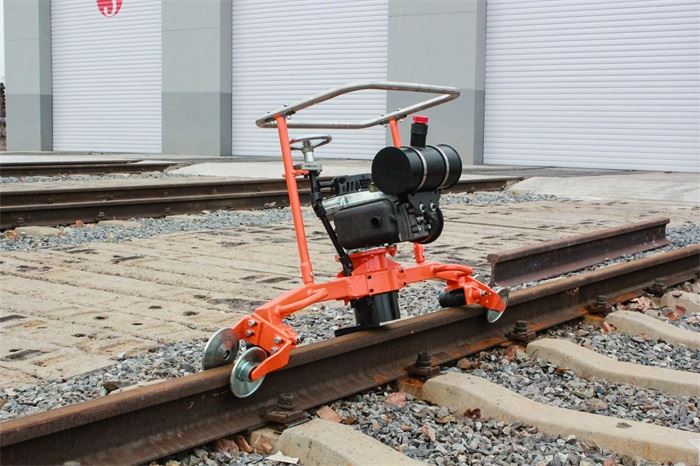
There are various types of rail - related tools in our product range, like the NGM - 4.4II 4kw heavy duty Rail Profile Grinding Machine Rail Welded Joined Grinder, Pertol Engine Rail Waist Grinding Machine, and Internal Combustion Rail Grinding Machine Rail Grinder. Each type may have specific storage requirements.
For electric rail cutters, make sure to unplug them before storage. Also, check the power cord for any signs of damage. If the cord is frayed or damaged, replace it before storing the cutter.
For hydraulic rail cutters, check the hydraulic fluid level. If it's low, top it up according to the manufacturer's instructions. And make sure there are no leaks in the hydraulic system.
Conclusion
Proper storage of a rail cutter is essential for its performance and longevity. By following these tips, you can ensure that your rail cutter stays in good condition for years to come. Whether you're a professional in the railway industry or a DIY enthusiast, taking care of your rail cutter will save you time and money in the long run.
If you're interested in purchasing a high - quality rail cutter or any of our other rail - related products, don't hesitate to reach out. We're always ready to assist you with your procurement needs and have in - depth discussions about how these tools can fit into your projects.
References
- Manufacturer's manuals for rail cutters and related tools.
- Industry best practices for tool storage and maintenance.