




What is the speed difference between freight and passenger railway cars?
 Nov 06, 2025|
 Hey there! I'm a supplier of railway cars, and today I wanna chat about the speed difference between freight and passenger railway cars. It's a topic that's super important in the railway industry, and it can have a big impact on how we operate and what we offer to our customers.
First off, let's talk about what makes these two types of railway cars different. Passenger cars are designed to carry people from one place to another as quickly and comfortably as possible. They're usually lighter, more aerodynamic, and have better suspension systems to give passengers a smooth ride. On the other hand, freight cars are built to transport goods. They're much heavier, often carrying tons of cargo, and they don't need to be as fast or as comfortable.

So, what's the speed difference? Well, it can vary a lot depending on a bunch of factors. But generally speaking, passenger trains are way faster than freight trains. Passenger trains can reach speeds of up to 200 miles per hour (320 kilometers per hour) or more on high - speed rail lines. For example, the famous bullet trains in Japan can zip along at incredibly high speeds, getting people to their destinations in no time.
Freight trains, on the other hand, are much slower. Their average speed is usually between 20 and 50 miles per hour (32 and 80 kilometers per hour). This is because they're carrying heavy loads, which makes it harder for them to accelerate and decelerate quickly. Also, they often have to make more stops to pick up and drop off cargo at different locations.
One of the main reasons for this speed difference is the design and purpose of the cars. Passenger cars are engineered for speed. They have powerful engines, aerodynamic shapes to reduce drag, and advanced braking systems that allow them to stop safely at high speeds. Freight cars, however, are focused on capacity. They're built to hold as much cargo as possible, which means they're heavier and less streamlined.
Another factor is the infrastructure. High - speed passenger rail lines are specifically designed for fast travel. They have straighter tracks, fewer curves, and better maintenance to support high - speed operations. Freight lines, while still important, may not have the same level of investment in high - speed infrastructure. They often share tracks with other types of trains and have to deal with more traffic, which can slow them down.
Now, let's talk about how this speed difference affects our business as a railway car supplier. When we're designing and manufacturing passenger cars, we need to focus on features that support high - speed travel. This includes things like lightweight materials, efficient engines, and advanced safety systems. We also need to make sure the cars are comfortable for passengers, with good seating, climate control, and entertainment options.
For freight cars, our focus is on durability and capacity. We need to build cars that can withstand the heavy loads and the wear and tear of long - distance travel. We also need to consider things like loading and unloading mechanisms to make the process as efficient as possible.
At our company, we offer a wide range of railway cars to meet different needs. For example, we have the PC - 50 Track Trolley 500kg trailer with hook. This is a great option for smaller freight operations. It's relatively lightweight and easy to maneuver, making it suitable for transporting smaller loads on tracks.
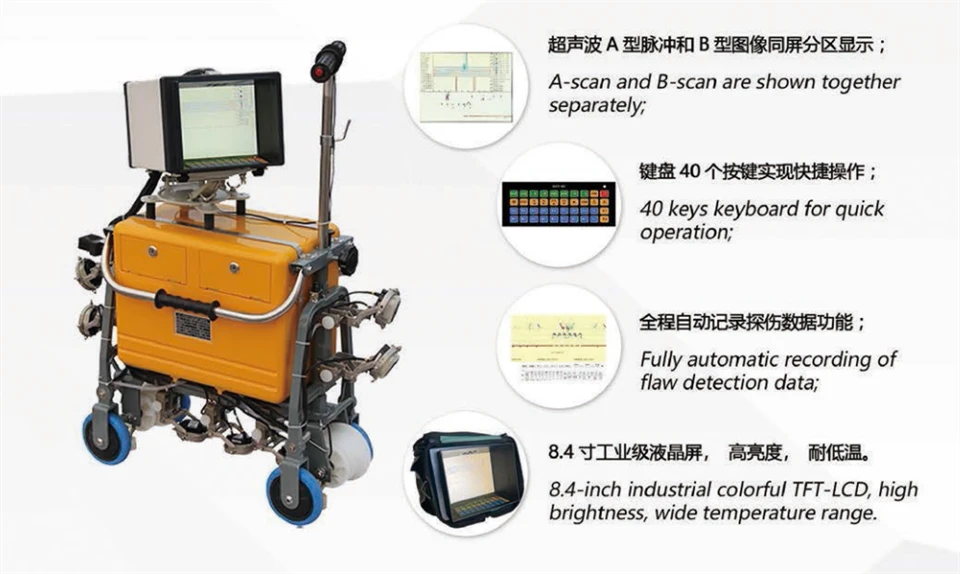
We also have the Rail Ultrasonic Flaw Detector. This is an important tool for maintaining the safety of railway tracks. It can detect flaws and cracks in the tracks, which is crucial for both passenger and freight trains. By ensuring the tracks are in good condition, we can help prevent accidents and keep the trains running smoothly.
And for those in need of ballast bed cleaning, we offer the Ballast bed Cleaning Automatic Hydraulic Ballast Cleaner remote control. A clean ballast bed is essential for the stability and performance of railway tracks. This automatic cleaner can do the job quickly and efficiently, reducing the need for manual labor.
In conclusion, the speed difference between freight and passenger railway cars is significant, and it's influenced by a variety of factors such as design, purpose, and infrastructure. As a railway car supplier, we understand these differences and work hard to provide the best products for our customers. Whether you're in the business of transporting people or goods, we have the right solutions for you.
If you're interested in learning more about our railway cars or have any questions about how our products can meet your specific needs, don't hesitate to reach out. We're always happy to have a chat and discuss your requirements. Let's work together to make your railway operations more efficient and successful!
References
- Association of American Railroads. (2023). Freight and Passenger Rail Operations in the United States.
- International Union of Railways. (2023). Global Trends in High - Speed and Conventional Rail Travel.