




What is the wear rate of rail brake shoes under normal operation?
 Jul 15, 2025|
 As a dedicated supplier of rail brake shoes, I've witnessed firsthand the critical role these components play in the safe and efficient operation of railways. One question that often arises in discussions with our clients is, "What is the wear rate of rail brake shoes under normal operation?" In this blog, I'll delve into this topic, exploring the factors that influence wear rate, how it's measured, and why it matters for railway operators.
Understanding the Basics of Rail Brake Shoes
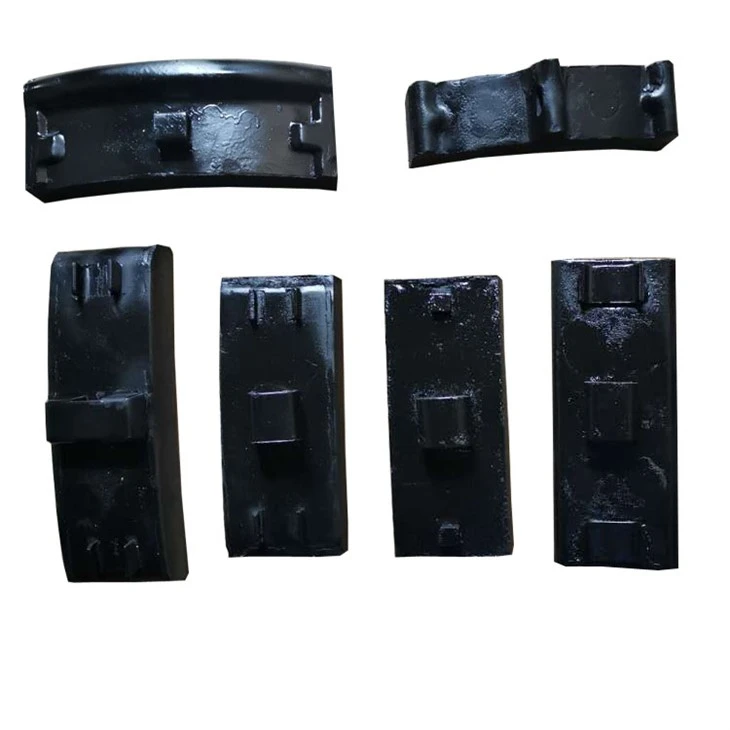
Before we dive into wear rates, let's briefly review what rail brake shoes are and how they function. Rail brake shoes are essential components of a train's braking system. When the brakes are applied, the brake shoes press against the wheels, creating friction that slows down or stops the train. This friction is what allows trains to navigate safely through various terrains and speeds, making brake shoes a crucial element for passenger and freight safety.
Factors Influencing Wear Rate
The wear rate of rail brake shoes under normal operation is influenced by a multitude of factors. These can be broadly categorized into operational, environmental, and material - related factors.
Operational Factors
- Train Speed: Higher speeds generally result in increased wear on brake shoes. When a train is traveling at high velocity, more energy needs to be dissipated during braking. This means the brake shoes have to work harder, generating more friction and heat, which in turn accelerates wear. For example, high - speed trains that operate at speeds over 200 km/h will likely experience a faster wear rate compared to local commuter trains that travel at much lower speeds.
- Braking Frequency: Trains that make frequent stops, such as those in urban transit systems, will naturally wear out their brake shoes more quickly. Each time the brakes are applied, the brake shoes come into contact with the wheels, causing abrasion. A subway train that stops at every station may need its brake shoes replaced more often than a long - haul freight train that only makes occasional stops.
- Load Capacity: Heavier trains require more braking force. Freight trains carrying large amounts of cargo or passenger trains at full capacity put more stress on the brake shoes. The additional weight means that the brake shoes have to generate more friction to slow down or stop the train, leading to increased wear.
Environmental Factors
- Track Conditions: The condition of the railway track can significantly impact brake shoe wear. Rough or uneven tracks can cause the wheels to vibrate, which in turn affects the contact between the brake shoes and the wheels. This uneven contact can lead to uneven wear on the brake shoes. Additionally, tracks in areas with a lot of dust, sand, or other debris can introduce abrasive particles that increase wear.
- Weather Conditions: Extreme weather conditions can also play a role. In wet or icy conditions, the friction coefficient between the brake shoes and the wheels changes. To compensate for the reduced friction, the braking system may need to apply more pressure, resulting in increased wear. On the other hand, very hot weather can cause the brake shoes to overheat, which can also accelerate wear and potentially damage the brake shoe material.
Material - Related Factors
- Brake Shoe Material: Different materials have different wear characteristics. Traditional cast iron brake shoes are known for their durability but may have a relatively high wear rate compared to some modern composite materials. Composite brake shoes are designed to offer better performance in terms of wear resistance, heat dissipation, and noise reduction. The choice of material depends on the specific requirements of the railway operation, such as speed, load, and environmental conditions.
- Wheel Material: The material of the train wheels also affects brake shoe wear. The interaction between the brake shoe and the wheel material determines the friction coefficient and the amount of wear. For example, wheels made of harder steel may cause less wear on the brake shoes compared to softer steel wheels.
Measuring Wear Rate
Measuring the wear rate of rail brake shoes is a complex process that requires careful monitoring. There are several methods used to measure wear:
- Visual Inspection: This is the most basic method. Trained technicians visually inspect the brake shoes at regular intervals to assess their thickness. By comparing the current thickness with the initial thickness, they can estimate the amount of wear. However, this method is somewhat subjective and may not provide highly accurate measurements.
- Wear Sensors: Some modern braking systems are equipped with wear sensors. These sensors can accurately measure the thickness of the brake shoes in real - time. The data collected by the sensors can be transmitted to a central monitoring system, allowing railway operators to track the wear rate over time and plan for maintenance or replacement more effectively.
- Dynamometer Testing: In a laboratory setting, dynamometer testing can be used to simulate different operating conditions and measure the wear rate of brake shoes. This method involves applying a known force to the brake shoe and rotating a wheel to simulate the braking process. By measuring the weight loss or dimensional changes of the brake shoe over a set number of braking cycles, the wear rate can be accurately determined.
Why Wear Rate Matters
Understanding the wear rate of rail brake shoes is crucial for several reasons:
- Safety: Worn - out brake shoes can compromise the safety of the train. If the brake shoes are too thin, they may not be able to generate enough friction to stop the train in a timely manner, especially in emergency situations. Regular monitoring of wear rate helps ensure that brake shoes are replaced before they reach a dangerous level of wear.
- Cost - Efficiency: Knowing the wear rate allows railway operators to plan their maintenance schedules more effectively. By replacing brake shoes at the optimal time, they can avoid unnecessary costs associated with premature replacement or the risk of costly breakdowns due to worn - out brake shoes.
- Operational Efficiency: Well - maintained brake shoes contribute to the smooth operation of trains. When brake shoes are in good condition, the braking system functions more efficiently, reducing the time and energy required to stop the train. This can lead to improved punctuality and lower energy consumption.
Our Offerings as a Rail Brake Shoe Supplier
At our company, we understand the importance of providing high - quality brake shoes with predictable wear rates. We offer a wide range of brake shoes made from different materials to suit various railway applications. Our Train Brake Shoe products are designed and manufactured to meet the highest industry standards, ensuring long - lasting performance and reliable braking.
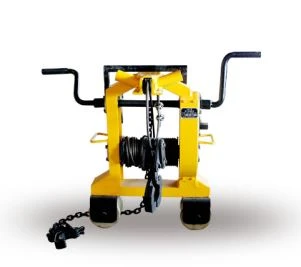
In addition to our brake shoes, we also provide other railway tools and equipment. For example, our Ballast Bed Reshaping Device High Working Efficiency can help maintain the condition of railway tracks, which in turn can affect the wear rate of brake shoes. We also offer the For Railway Transportation XBY - II Rail Transporting Device, which is essential for the efficient transportation of rails.
Contact Us for Procurement and Consultation
If you're in the market for rail brake shoes or other railway tools, we'd love to hear from you. Our team of experts can provide you with detailed information about our products, including wear rate data and performance specifications. We're committed to helping you find the best solutions for your railway operation. Whether you're a small local railway or a large national operator, we have the products and expertise to meet your needs. Contact us today to start a discussion about your procurement requirements and let's work together to ensure the safety and efficiency of your railway system.
References
- "Fundamentals of Railway Engineering" by John R. Dixon
- "Railway Vehicle Dynamics: A Computational Approach" by J. Kim
- "Braking Systems for Rail Vehicles" by Wolfgang F. M. Bauer