




How do rail brake shoes work in conjunction with other braking components?
 Jul 14, 2025|
 Rail braking systems are complex assemblies designed to ensure the safe and efficient operation of trains. As a leading rail brake shoe supplier, I've witnessed firsthand the intricate interplay between rail brake shoes and other braking components. In this blog, we'll explore how rail brake shoes work in conjunction with these elements to bring trains to a halt safely.
The Basics of Rail Brake Shoes
Rail brake shoes are a critical part of the train's braking system. They are typically made from materials like cast iron, composite materials, or sintered metal, each chosen for its specific properties such as friction coefficient, wear resistance, and heat dissipation. When a train needs to slow down or stop, the brake shoes are pressed against the wheels, creating friction that converts the kinetic energy of the moving train into heat energy.
The Role of the Brake Cylinder
The brake cylinder is the component that initiates the braking process. When the train's operator activates the brake system, compressed air is sent to the brake cylinder. Inside the cylinder, the air pressure pushes a piston, which in turn activates a mechanical linkage. This linkage transfers the force from the piston to the brake shoes, pressing them against the wheels.
The interaction between the brake cylinder and the brake shoes is crucial. The force applied by the brake cylinder must be carefully calibrated to ensure that the brake shoes can generate enough friction to slow the train without causing excessive wear on the wheels or the brake shoes themselves. If the force is too low, the train may not stop in time; if it's too high, it can lead to wheel damage and increased maintenance costs.
The Function of the Brake Beam
The brake beam is another important component that works in tandem with the brake shoes. It is a rigid structure that holds the brake shoes in place and distributes the force from the brake cylinder evenly across the surface of the wheels. The brake beam ensures that the brake shoes make full contact with the wheels, maximizing the friction and braking efficiency.
In addition to distributing the force, the brake beam also helps to maintain the proper alignment of the brake shoes. If the brake shoes are not properly aligned, they may not make uniform contact with the wheels, leading to uneven wear and reduced braking performance. The brake beam helps to prevent this by keeping the brake shoes in the correct position relative to the wheels.
The Significance of the Brake Pipes
Brake pipes are responsible for transmitting the compressed air from the train's air supply system to the brake cylinders. They run the length of the train, connecting all the brake cylinders together. When the operator activates the brake system, the compressed air travels through the brake pipes to each brake cylinder, initiating the braking process simultaneously on all the wheels of the train.
The integrity of the brake pipes is essential for the proper functioning of the braking system. Any leaks or blockages in the brake pipes can disrupt the flow of compressed air, leading to inconsistent braking performance or even complete brake failure. Regular inspection and maintenance of the brake pipes are necessary to ensure their reliability.
Compatibility with Wheel Tread Conditions
The performance of rail brake shoes is also affected by the condition of the wheel treads. Over time, the wheel treads can become worn, smooth, or contaminated with dirt and debris. These factors can reduce the friction between the brake shoes and the wheels, making it more difficult to stop the train.
To address this issue, modern rail brake shoes are designed to be compatible with a wide range of wheel tread conditions. Some brake shoes are equipped with special features such as grooves or patterns on their surface to improve traction on worn or contaminated wheels. Others are made from materials that can adapt to changes in the wheel tread surface, maintaining a consistent friction coefficient.
Integration with Advanced Braking Technologies
In recent years, there has been a growing trend towards the integration of advanced braking technologies in railway systems. These technologies, such as anti - lock braking systems (ABS) and regenerative braking systems, work in conjunction with traditional brake shoes to enhance the safety and efficiency of train braking.
ABS systems monitor the speed of the wheels and adjust the braking force applied by the brake shoes to prevent wheel lock - up. This helps to maintain steering control and reduce stopping distances, especially in wet or slippery conditions. Regenerative braking systems, on the other hand, convert the kinetic energy of the moving train into electrical energy, which can be stored and reused. This not only reduces energy consumption but also extends the lifespan of the brake shoes by reducing the amount of friction required to stop the train.
Importance of Regular Maintenance and Inspection
To ensure the reliable operation of the braking system, regular maintenance and inspection of all braking components, including the brake shoes, are essential. Brake shoes should be inspected regularly for wear, cracks, and other signs of damage. If the brake shoes are worn beyond the recommended limit, they should be replaced immediately to prevent brake failure.
In addition to inspecting the brake shoes, other components such as the brake cylinders, brake beams, and brake pipes should also be checked for leaks, damage, and proper functioning. Regular lubrication of moving parts is also necessary to reduce friction and wear.
Related Railway Tools for Inspection
As a rail brake shoe supplier, we understand the importance of having the right tools for inspecting railway components. Here are some useful tools that can help in the maintenance and inspection of the braking system:
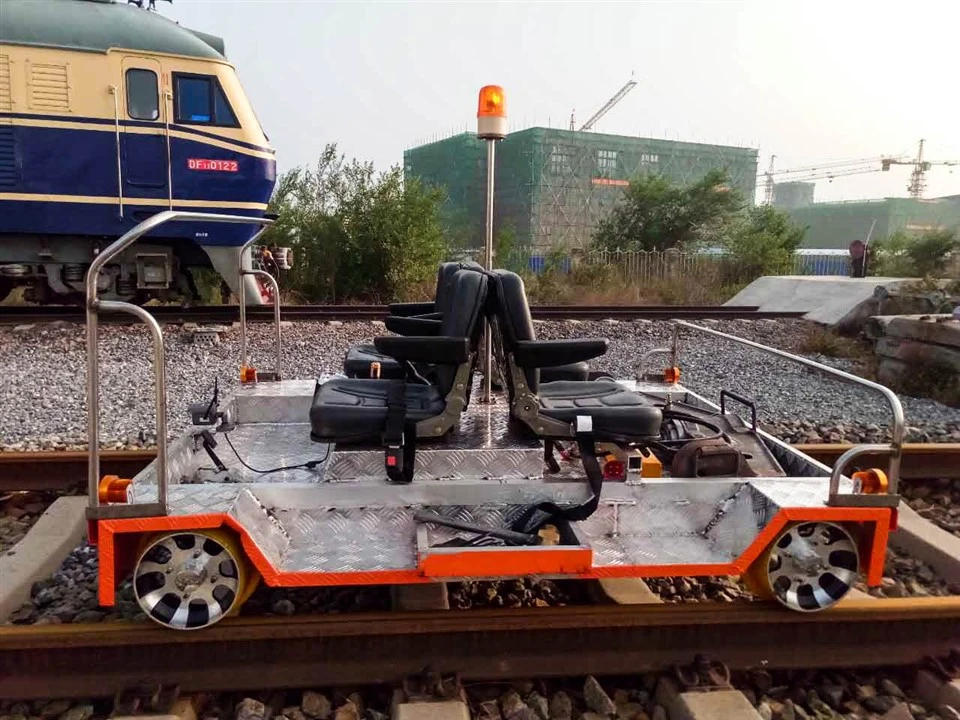
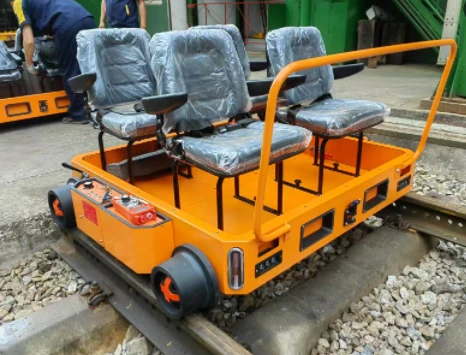
- Light Weight Lithium Battery Rail Inspection Trolley: This trolley is equipped with a lithium - battery power source, making it lightweight and easy to maneuver along the tracks. It can be used to inspect the condition of the rails, wheels, and braking components.
- Track Gauge Checker: The track gauge is a critical parameter that affects the stability and safety of the train. A track gauge checker can accurately measure the width of the track, ensuring that it meets the required standards.
- DGQ Rail Striking Device: This device is used to detect internal defects in the rails. By striking the rails with a specific force and analyzing the sound waves produced, it can identify cracks and other flaws that may not be visible to the naked eye.
Conclusion
In conclusion, rail brake shoes play a vital role in the train's braking system, working in close conjunction with other braking components such as the brake cylinders, brake beams, and brake pipes. Their performance is influenced by various factors, including wheel tread conditions and the integration of advanced braking technologies. Regular maintenance and inspection of all braking components are necessary to ensure the safe and efficient operation of the train.
If you are in the market for high - quality rail brake shoes or need more information about our products and services, we invite you to contact us for procurement and further discussions. We are committed to providing the best solutions for your railway braking needs.
References
- "Railway Engineering Handbook" by W. Hay
- "Braking Systems for Rail Vehicles" by T. A. Dwyer
- Technical publications from leading railway equipment manufacturers.