




What are the rules for loading cargo on freight railway vehicles?
 Jul 11, 2025|
 When it comes to the efficient and safe operation of freight railway transportation, proper cargo loading on railway vehicles is of utmost importance. As a leading Railway Vehicle supplier, we understand the significance of adhering to strict rules and guidelines for loading cargo on our railway vehicles. In this blog post, we will delve into the key rules and considerations for loading cargo on freight railway vehicles, ensuring the safety of both the cargo and the railway system.
1. Weight Distribution
One of the fundamental rules for loading cargo on freight railway vehicles is to ensure proper weight distribution. Uneven weight distribution can lead to instability, increased wear and tear on the vehicle, and even derailment. When loading cargo, it is crucial to distribute the weight evenly across the length and width of the railway vehicle. This can be achieved by placing heavier items closer to the center of the vehicle and ensuring that the weight is balanced on both sides.
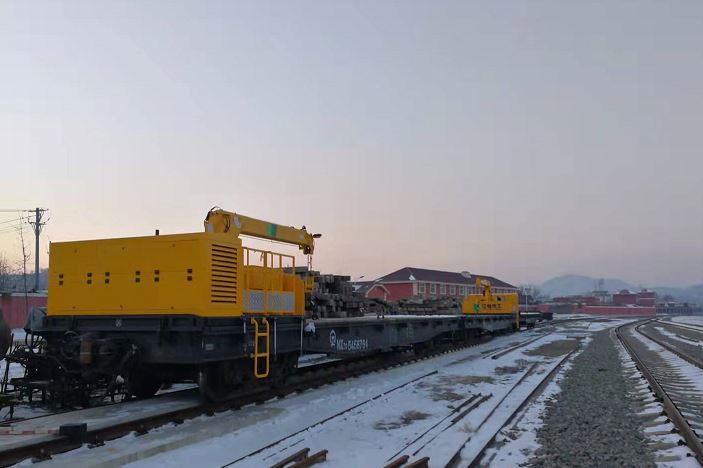
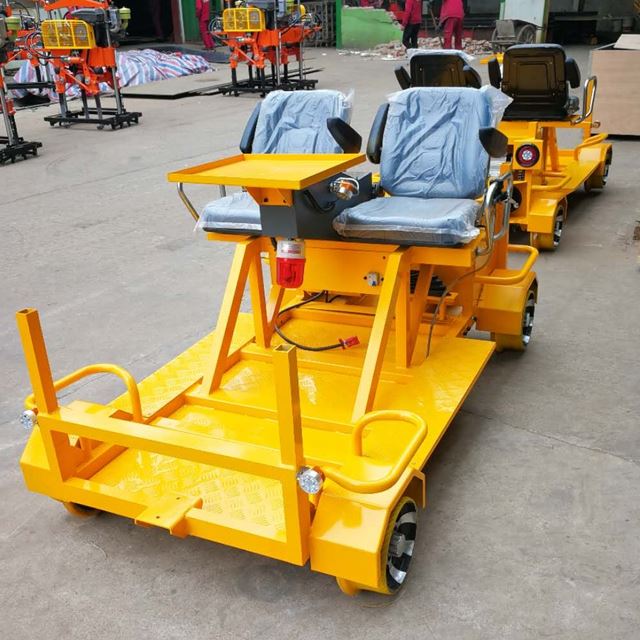
For example, if you are loading a container onto a flatbed railway car, make sure that the container is centered and secured properly. Avoid placing all the weight on one end of the car, as this can cause the vehicle to tilt and potentially derail. Additionally, consider the weight capacity of the railway vehicle and do not exceed it. Overloading can not only damage the vehicle but also pose a significant safety risk.
2. Securing the Cargo
Another critical rule for loading cargo on freight railway vehicles is to secure the cargo properly. Unsecured cargo can shift during transit, causing damage to the vehicle and the cargo itself. It can also pose a danger to other vehicles and pedestrians on the railway tracks. To prevent cargo from shifting, use appropriate securing devices such as straps, chains, and braces.
When securing the cargo, make sure that the securing devices are strong enough to withstand the forces exerted during transit. Check the tightness of the straps and chains regularly to ensure that they remain secure. Additionally, consider the type of cargo being loaded and use the appropriate securing methods. For example, fragile items may require additional padding and protection to prevent damage.
3. Compatibility of Cargo and Vehicle
It is essential to ensure that the cargo being loaded is compatible with the railway vehicle. Different types of railway vehicles are designed to carry different types of cargo. For example, a boxcar is suitable for carrying general freight, while a tank car is designed for transporting liquids or gases. Before loading the cargo, check the specifications of the railway vehicle to ensure that it can safely carry the cargo.
In addition to the type of cargo, consider the size and shape of the cargo. Make sure that the cargo can fit within the dimensions of the railway vehicle and that there is enough clearance for loading and unloading. If the cargo is oversized or irregularly shaped, special arrangements may need to be made, such as using a specialized railway vehicle or obtaining special permits.
4. Loading and Unloading Procedures
Proper loading and unloading procedures are crucial for the safety of the cargo and the railway vehicle. When loading the cargo, use appropriate equipment such as forklifts, cranes, or conveyor belts. Make sure that the equipment is in good working condition and that the operators are trained and qualified.
During the loading process, follow the manufacturer's instructions and guidelines. Avoid overloading the equipment or using it in an unsafe manner. Additionally, be aware of the weight and balance of the cargo and the vehicle at all times. When unloading the cargo, use the same precautions and procedures to ensure that the cargo is safely removed from the vehicle.
5. Safety Regulations and Standards
Compliance with safety regulations and standards is mandatory when loading cargo on freight railway vehicles. These regulations are in place to ensure the safety of the cargo, the railway vehicle, and the general public. Familiarize yourself with the relevant safety regulations and standards, such as those set by the Federal Railroad Administration (FRA) in the United States.
Some of the key safety regulations and standards include requirements for cargo securing, weight limits, and inspection procedures. Make sure that your loading operations are in full compliance with these regulations to avoid fines and penalties. Additionally, stay updated on any changes or updates to the safety regulations and standards to ensure that your operations remain safe and legal.
6. Use of Appropriate Equipment
Using appropriate equipment for loading and unloading cargo on freight railway vehicles is essential. This includes forklifts, cranes, and other handling equipment. Make sure that the equipment is suitable for the type and weight of the cargo being loaded. For example, if you are loading heavy machinery, you will need a crane with a sufficient lifting capacity.
Regular maintenance and inspection of the equipment are also crucial. Faulty equipment can lead to accidents and damage to the cargo and the vehicle. Ensure that all equipment is in good working condition before each use and that any necessary repairs or maintenance are carried out promptly.
7. Inspection and Documentation
Before and after loading the cargo, conduct a thorough inspection of the railway vehicle and the cargo. Check for any signs of damage, such as cracks, dents, or loose parts. Inspect the securing devices to ensure that they are properly attached and tightened. Additionally, check the cargo for any signs of damage or shifting.
Keep detailed documentation of the loading process, including the type and quantity of cargo loaded, the weight distribution, and the securing methods used. This documentation can be useful for tracking the cargo, ensuring compliance with regulations, and resolving any disputes that may arise.
Our Railway Vehicle Solutions
As a Railway Vehicle supplier, we offer a wide range of high - quality railway vehicles suitable for various types of cargo. Our Customized Rail Trolley can be tailored to meet your specific cargo loading needs. It provides flexibility and efficiency in transporting different kinds of goods.
Our Covered Battery Motorised Rail Track Trolley Rail Inspection Trolley Electric Drive Alumicart is an excellent choice for transporting smaller and more delicate cargo. It is powered by a battery, which makes it environmentally friendly and easy to operate.
For heavy - duty lifting and cargo handling, our QPC - ⅠRAIL LIFTING CRANE special designed lorry crane completed with wagons is a reliable solution. It is specially designed to work in conjunction with railway wagons, providing efficient and safe cargo loading and unloading operations.
Contact Us for Procurement
If you are interested in our railway vehicles and would like to discuss your cargo loading requirements, we invite you to contact us for procurement and further consultation. Our team of experts is ready to assist you in finding the most suitable railway vehicle solutions for your business. We are committed to providing high - quality products and excellent customer service.
References
- Federal Railroad Administration (FRA). Safety Regulations for Freight Railroads.
- Association of American Railroads (AAR). Recommended Practices for Cargo Loading and Securing.