




What is the weight of a typical rail brake shoe?
 Sep 03, 2025|
 When it comes to the railway industry, one of the crucial components that often goes unnoticed but plays a vital role in ensuring safety and operational efficiency is the rail brake shoe. As a rail brake shoe supplier, I've had the privilege of delving deep into the intricacies of these components, including their weight, which is a key factor in their performance.
Understanding the Role of Rail Brake Shoes
Rail brake shoes are essential for bringing trains to a halt. They work by pressing against the train's wheels, creating friction that slows down and eventually stops the train. The effectiveness of this braking mechanism depends on several factors, one of which is the weight of the brake shoe. A well - designed brake shoe with an appropriate weight can provide reliable braking performance under various conditions, such as different train speeds, loads, and track conditions.
What Determines the Weight of a Typical Rail Brake Shoe?
The weight of a typical rail brake shoe is influenced by multiple factors. First and foremost is the material used in its construction. Common materials for rail brake shoes include cast iron, composite materials, and steel. Cast iron brake shoes are relatively heavy due to the density of the material. They are known for their durability and ability to withstand high temperatures generated during braking. Composite brake shoes, on the other hand, are often lighter. They are made from a combination of materials, such as fibers and resins, which are engineered to provide good friction characteristics while reducing weight. Steel brake shoes strike a balance between the two, offering a combination of strength and a reasonable weight.

Another factor is the design and size of the brake shoe. Larger brake shoes generally weigh more than smaller ones. The size is determined by the requirements of the train, including the type of wheels it has and the braking force needed. For example, heavy - haul trains that carry large amounts of cargo require larger and heavier brake shoes to generate sufficient braking force to stop the massive loads.
The intended application of the brake shoe also affects its weight. Brake shoes used in high - speed trains may be designed to be lighter to reduce unsprung weight, which can improve ride quality and handling. In contrast, those used in freight trains or locomotives may be heavier to handle the higher loads and more demanding braking requirements.
Typical Weight Ranges
On average, a cast iron rail brake shoe can weigh anywhere from 15 to 30 kilograms. These heavier brake shoes are commonly used in freight applications where durability and high - friction performance are crucial. Composite brake shoes typically weigh between 5 and 15 kilograms. Their lighter weight makes them suitable for high - speed trains and passenger applications, where reducing weight can lead to energy savings and improved performance. Steel brake shoes usually fall in the range of 10 to 20 kilograms, offering a good compromise between the properties of cast iron and composite materials.
Importance of the Right Weight
Selecting the right weight for a rail brake shoe is of utmost importance. If the brake shoe is too light, it may not be able to generate enough friction to stop the train effectively, especially in emergency situations. This can lead to longer stopping distances and increase the risk of accidents. On the other hand, if the brake shoe is too heavy, it can put additional stress on the wheels and other braking components, leading to premature wear and increased maintenance costs.
Our Offerings as a Rail Brake Shoe Supplier
As a rail brake shoe supplier, we understand the critical role that the weight of a brake shoe plays in its performance. We offer a wide range of brake shoes made from different materials to meet the diverse needs of our customers. Our cast iron brake shoes are known for their robustness and high - friction coefficient, making them ideal for heavy - duty applications. Our composite brake shoes are engineered to provide excellent braking performance while minimizing weight, making them suitable for high - speed and passenger trains.
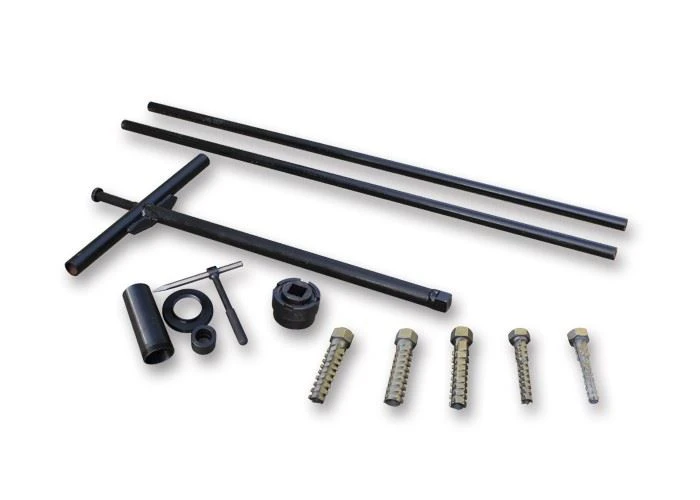
In addition to our brake shoes, we also provide a variety of Railway Tools Anchor Replacing Device that can be used in the maintenance and installation of brake shoes and other railway components. Our DGQ - High Strength Rail Crashed Device is designed to handle high - strength rail repairs efficiently, ensuring the safety and integrity of the railway tracks. And our Ballast Bed Reshaping Device High Working Efficiency can help in maintaining the proper shape and stability of the ballast bed, which is essential for the smooth operation of trains.
Contact Us for Procurement
If you are in the market for high - quality rail brake shoes or any of our related railway tools, we invite you to contact us for procurement and further discussions. We are committed to providing our customers with the best products and services, tailored to their specific requirements. Whether you need brake shoes for a small - scale railway project or a large - scale freight operation, our team of experts is ready to assist you.
References
- "Railway Engineering Handbook" by John R. LaRue. This comprehensive handbook provides in - depth information on various aspects of railway engineering, including brake systems and components.
- Industry standards and specifications from organizations such as the American Railway Engineering and Maintenance - of - Way Association (AREMA), which outline the requirements for rail brake shoes in terms of performance, design, and weight.