




What types of Rail Grinders are there?
 Dec 24, 2025|
 Hey there! As a supplier of rail grinders, I've seen firsthand the wide variety of these machines out there. So, let's dive into what types of rail grinders are available and what makes each one unique.
Hand - Operated Rail Grinders
First off, there are hand - operated rail grinders. These are super handy for small - scale jobs or when you need to do some precise grinding in tight spaces. They're usually lightweight and easy to maneuver. You can take them to areas where larger machines can't reach, like in between tracks or near switches.
The advantage of hand - operated grinders is their portability. You don't need a big vehicle or a lot of setup to use them. They're great for maintenance crews who need to make quick fixes on the spot. However, they do have their limitations. They're not as powerful as larger models, so they're not suitable for heavy - duty grinding or large areas. If you've got a long stretch of track that needs a lot of material removed, a hand - operated grinder will take forever.
Internal Combustion Rail Grinders
Now, let's talk about internal combustion rail grinders. These bad boys are powered by gasoline or diesel engines, which gives them a lot of oomph. They're designed for medium to large - scale grinding jobs. With their high - power engines, they can remove a significant amount of material from the rail surface quickly.
One cool example from our product range is the DGM - 2.2 I Internal Combustion Multi - functional Switch Rail Grinding Machine. This machine is multi - functional, which means it can handle different types of rail grinding tasks. It's suitable for grinding switch rails, which are crucial parts of the railway system. The internal combustion engine provides the necessary power to grind the rails efficiently, and the multi - functional design makes it a versatile tool for railway maintenance teams.
Another internal combustion option is the Internal Combustion Switch Wing Rail Grinder. As the name suggests, it's specifically designed for grinding switch wing rails. These rails have a unique shape, and this grinder is engineered to handle that shape precisely. The internal combustion engine ensures that it can work continuously without the need for a power source nearby, making it ideal for outdoor railway work.
Electric Rail Grinders
Electric rail grinders are also quite popular. They're powered by electricity, either from a mains supply or a battery. One of the big benefits of electric grinders is that they're generally quieter and produce less pollution compared to internal combustion models.
If you're working in an area where noise and emissions are a concern, like a populated area near the railway, an electric grinder is a great choice. They're also relatively easy to maintain since there are no complex engine parts to deal with. However, they do rely on a power source. If you're working in a remote location without access to electricity, you'll need to bring a generator or use a battery - powered model.
Lithium - Powered Rail Grinders
One of the latest advancements in rail grinding technology is lithium - powered rail grinders. Lithium batteries offer a lot of advantages. They're lightweight, which makes the grinders more portable. They also have a high energy density, meaning they can provide a lot of power in a small package.
Take the Lithium Turnout Milling And Grinding Machine. This machine uses lithium batteries to power its operations. It's designed for milling and grinding turnouts, which is a very important part of railway maintenance. The lithium power source allows for longer runtime and quicker recharging, so you can get more work done in less time.
CNC Rail Grinders
CNC (Computer Numerical Control) rail grinders are the high - tech option. These grinders are controlled by a computer, which allows for extremely precise grinding. The computer can be programmed to grind the rails to exact specifications, ensuring a high - quality finish.
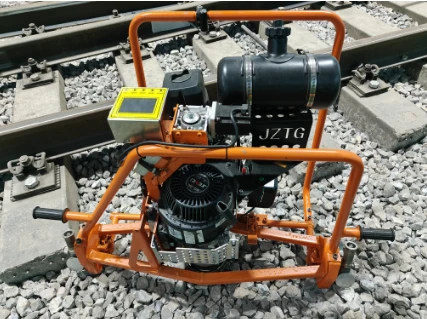
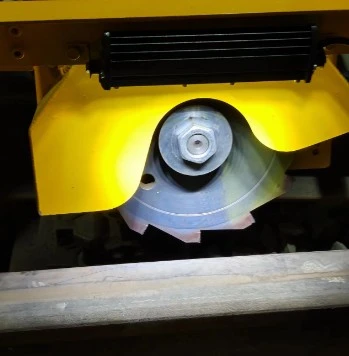
CNC rail grinders are great for large - scale railway construction projects where precision is key. They can handle complex grinding tasks that would be difficult or impossible to do by hand. However, they're also quite expensive and require skilled operators to use them. So, they're usually used in industrial settings or by large railway companies.
Hydraulic Rail Grinders
Hydraulic rail grinders use hydraulic power to operate. They're known for their high - torque performance. Hydraulic systems can provide a lot of force, which makes these grinders suitable for heavy - duty grinding jobs.
They're often used in situations where a large amount of material needs to be removed quickly. For example, when a railway track has been severely damaged and needs major repairs. Hydraulic rail grinders can get the job done efficiently, but they do require a hydraulic power unit, which can add to the complexity and cost of the system.
Which Type is Right for You?
Choosing the right type of rail grinder depends on several factors. If you're a small maintenance crew working on minor repairs and in tight spaces, a hand - operated grinder might be your best bet. For medium to large - scale jobs, especially those that require a lot of power, an internal combustion or hydraulic grinder could be the way to go.
If you're concerned about noise and emissions, or if you're working in an area with easy access to electricity, an electric grinder is a good choice. And if you want the latest technology and long - lasting, lightweight power, a lithium - powered grinder should be on your radar. For high - precision jobs in large - scale projects, a CNC grinder would be ideal.
Let's Talk Business
If you're in the market for a rail grinder, I'd love to have a chat with you. We've got a wide range of rail grinders to suit different needs and budgets. Whether you're a small railway maintenance team or a big construction company, we've got something for you. Just reach out, and we can discuss which type of rail grinder would be the best fit for your projects.
References
- Railway Maintenance Manuals
- Industry Reports on Rail Grinding Technology