Line defect treatment and maintenance
 Sep 27, 2024|
 1. Analysis of railway line defects Due to the dynamic effect of locomotives and vehicles and the influence of natural conditions on the line, the geometric dimensions of the track are constantly changing. The roadbed and ballast are deformed at any time, the line equipment is constantly mechanically worn, the maintenance method is improper, and the periodic major and medium repairs are not carried out in time, which causes many defects to the railway line. After the train starts running, the speed of damage to the track structure and its parts is more severe than the deformation of other lines. The damage to the railway track structure is mainly caused by line creep, rail and joint connection parts diseases and curve diseases.
2. Track unevenness In the track structure, the gravel ballast is an unstable component. Under the unstable repeated load of the train, the track will have vertical and lateral dynamic elastic deformation and residual accumulated deformation. These deformations not only affect the smooth operation of the train, but also threaten driving safety when such deformations accumulate to a certain limit. In order to keep the line in good condition, the track structure must be maintained and repaired frequently.
Types of track unevenness (1) Height unevenness: Due to the sinking of the roadbed and the inadequate tamping of the ballast bed, the rails sink unevenly in the longitudinal direction, causing height unevenness in the front and back. Under the action of the train power, hanging plates or hidden pits will appear between the rail bottom and the pad, the pad and the sleeper and the top surface of the ballast bed, which is extremely detrimental to driving safety. (2) Horizontal unevenness: Mainly caused by the unequal sinking of the left and right rails (3) Triangular pit: Within a specified distance, the left rail is first higher than the right rail and then the right rail is higher than the left rail. The height difference exceeds the allowable deviation value and the distance between the two maximum horizontal error points is less than 18m. Its existence may cause one of the four wheels before and after a fixed axle to be instantly unloaded or suspended in the air. In serious cases, it may climb onto the rail and endanger driving safety. (4) Directional unevenness: refers to the straight line is not straight and the curve is not round. It is usually caused by loose fasteners of the rail hard bend and poor slope of the relaxation curve. Poor track direction will cause the train wheels to sway left and right, aggravating the collision of wheels and causing other line diseases. It is particularly obvious for high-speed trains and endangers driving safety when it is serious. (5) Compound unevenness: refers to the vertical and lateral unevenness superimposed at the same position of the rail. Track unevenness treatment methods (1) Use large-scale track maintenance machinery to operate: The engineering section provides detailed information to the construction unit, such as: comprehensive line diagram, wiring diagram, curve elements, etc. The machinery performs track lifting, track shifting, tamping and compaction work according to the above materials, and performs dynamic stabilization of the roadbed after each operation, and adds ballast, replaces damaged rubber pads and removes the work area to raise the pad, pave the crossing, and guard rails on the ballasted bridge. (2) Diversion operation: When the track gauge and its change rate are poor, diversion is carried out. The diversion of the concrete sleeper line is achieved by adjusting the fasteners or the track gauge baffle. (3) Pad operation: When the deviation of the local high and low level triangle pits of the line turnout is small (no more than 6mm), it is difficult to meet the operation requirements for track lifting and tamping. Use the rail pad. Each height adjustment pad shall not exceed 3 pieces and the total thickness shall not exceed 25mm. (4) Fastener operation: loose fasteners will cause partial displacement of the rail along the sleeper. It is required to keep the fasteners in a tight and aligned state. Generally, they should be tightened again the next day after the pad operation. The fasteners should be fully tightened before and after the maintenance operation.
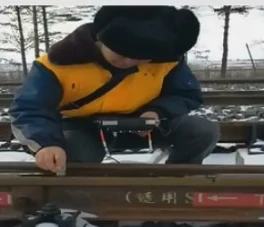
3. Roadbed disease The roadbed is the foundation of the track frame. The main cause of track deformation is the deformation of the roadbed. Uneven settlement of the roadbed will cause a series of diseases, which will directly endanger driving safety. Therefore, it is necessary to know the causes of roadbed deformation and its disease treatment to ensure the smoothness of the line and the safe operation of trains. Types of roadbed diseases: dirty roadbed, roadbed settlement, roadbed slurry (1) Poor ballast quality. Some ballasts are made of limestone. This type of ballast has low strength and poor wear resistance, impact resistance and crushing resistance. Today's railways are gradually becoming heavy-duty. Under the repeated action of train gravity, the ballasts squeeze and wear each other, and after wear, they become powdery and are prone to slurry, compaction and other diseases. (2) Roadbed slurry: ① The density of the roadbed is insufficient. Under the long-term action of the train load, the roadbed particles are embedded in the bed to form a film, which makes it impossible for surface water to be discharged, resulting in slurry accumulation and other diseases. ② The smoothness of the roadbed surface is destroyed during routine maintenance work, resulting in uneven surface of the subgrade and poor drainage of the subgrade surface. ③ Other causes of dust: The garbage and feces of passenger cars seriously pollute the roadbed, reducing its water permeability and elasticity, which easily leads to diseases such as compaction and slurrying.
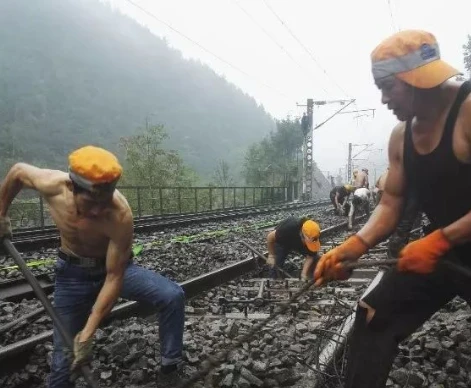
Treatment of roadbed diseases (1) Strengthen roadbed quality management ① Strictly implement the standards for crushed stone ballast, control the quality of ballast from the source, and resolutely prevent unqualified ballast from entering the railway line. ② According to the actual situation of the roadbed, timely screen the line and replace the ballast that does not meet the standard in time. Completely restore the roadbed structure to a good condition. ③ Combined with maintenance, screen the roadbed slope and improve the drainage of the roadbed to prevent water accumulation and muddying. (2) Treatment of machine tool diseases Restore the density of the subgrade and smooth drainage. For diseases caused by muddying due to poor subgrade filling or insufficient subgrade density, the subgrade soil should be replaced to improve the soil conditions of the subgrade filling to completely restore the road arch and ensure smooth drainage of the roadbed surface. (3) Strengthen the operation target to avoid damage to the original roadbed surface during maintenance and repair. (4) Improve external conditions to reduce pollution to the roadbed Strictly recycle passenger car garbage and clean it up uniformly at the station to keep the roadbed clean, thereby improving the environment for engineering work and reducing pollution to the environment. 4. Common diseases of concrete sleepers Concrete sleeper lines are composed of rails, concrete sleepers, fasteners and ballast beds. The rails directly bear the huge pressure from the locomotive and transmit it to the sleepers. The concrete sleepers bear the vertical, lateral and longitudinal forces from the rails through the elastic pads under the rails and the intermediate fasteners, and then distribute them to the ballast bed, and keep the rails in the normal position. The use of concrete sleepers in my country has a history of many years. Years of experience have shown that the use of concrete sleepers has played an important role in strengthening the track structure and ensuring driving safety. However, the problems in the design, manufacture and use of the inner sleepers are that some sleepers are damaged early and affect their normal use. The main forms of concrete sleeper damage (1) Excessively large transverse cracks appear in the section under the rail. The concrete sleeper is a component that receives unstable repeated loads. The change of load is random in nature. During the service life of the concrete sleeper, the section under the rail may have a load bending moment greater than the crack resistance of the section. In this case, transverse cracks are generated. Generally speaking, such cracks are small and will not cause the failure of the sleeper. However, in some cases, the load bending moment of the cross section is much greater than the crack resistance of the sleeper, and then excessive transverse cracks will appear, causing the sleeper to fail. (2) Collapse of the cross section under the rail: Due to the damage or stringing of the rubber pad under the sleeper, the rail directly acts on the bearing groove, causing the transverse cracks under the rail section to be too large. Excessive pressure in the concrete compression zone is concrete collapse. (3) Longitudinal cracks in the sleeper: Cracks in the direction of the extended axis of the sleeper are called longitudinal cracks. Generally, there are end cracks, end surface cracks, side horizontal longitudinal cracks, nail hole longitudinal cracks, through longitudinal cracks, etc. The parts with more longitudinal cracks are along the two sides of the bolt hole or the stress reinforcement and develop towards the end and the middle. The appearance of such cracks will seriously affect the service life of the sleeper. (4) Cracks in the sleeper: Cracks are small cracks crisscrossing on the surface of the sleeper. Generally, they occur at the top and sides of the ends and middle of the sleeper. Cracks also have a great impact on the service life of the sleeper. (5) Damage to the shoulder of the sleeper: The shoulder of the sleeper is damaged by the horizontal thrust transmitted by the fastener. This phenomenon is particularly common on small radius curves. In some cases, widening the iron seat still cannot solve the problem. According to statistics, the shoulder damage rate on a curve with a radius of 400m is as high as 70%. In addition, the shoulder damage may also be caused by damage to the gasket or defects in the shoulder part during the sleeper manufacturing process. (6) Falling of blocks at the bottom of the sleeper: Manual tamping and impact on the bottom of the rail cause the concrete to fall off with an area of up to 100 square centimeters. As a result, the stress condition of the sleeper deteriorates, stress concentration is prone to occur, causing various other damages and weakening the stability of the track. (7) Crushing of the middle part of the sleeper: Due to the excessive positive bending moment, the middle part of the sleeper not only produces excessive cracks in the lower part of the middle part of the sleeper, but also causes excessive compressive stress in the compression zone of the cross section, resulting in concrete crushing. This situation generally occurs at the rail joint. Some sleepers have excessive negative bending moment in the middle, which not only causes cracks in the upper part of the middle, but also causes excessive compressive stress on the lower part of the middle section, resulting in collapse and even exposed steel bars. (8) Longitudinal cracks in sleepers Cracks along the long axis of sleepers are generally referred to as longitudinal cracks. Longitudinal cracks generally include end cracks, end upper surface cracks, side horizontal longitudinal cracks, nail hole longitudinal cracks, through longitudinal cracks, etc. The parts with more longitudinal cracks occur along the sides of the bolt holes or stress reinforcements and develop towards the ends and the middle. The appearance of such cracks will seriously affect the service life of the sleepers. (9) Oblique cracks and sprains in the middle part of sleepers Oblique cracks and sprains in the middle part of sleepers refer to damage along the diagonal direction. During the tamping operation in line maintenance work, diagonal tamping is performed on both sides of the sleepers, which can easily cause oblique cracks or sprains in the middle part of the sleepers when passing vehicles. According to survey statistics, sleepers that are twisted or broken in the middle part due to improper line maintenance account for a certain proportion of the total number of damaged sleepers. (10) Corrosion of sleepers In areas where water is drained for a long time and when vehicles carry harmful media scattered on the sleepers, corrosion of sleepers will occur. In mild cases, pitting and delamination will appear on the concrete surface. In severe cases, the steel bars will rust and gradually extend inward. Causes of damage to concrete sleepers (1) Manufacturing quality Among the various types of damage to concrete sleepers, longitudinal cracks pose the greatest threat to driving safety. Once they occur, they develop very quickly. In severe cases, they penetrate the entire length of the sleeper and cause splitting and cracking. Loose and spalled concrete poses the greatest threat to the sleeper's bearing capacity, ability to maintain track status, and service life. This type of damage is generally caused by poor manufacturing quality. (2) Maintenance and repair work If the stress state of the sleeper changes during maintenance and repair work, the load bending moment of the sleeper section may be greater than the crack resistance of the sleeper, resulting in sleeper damage. The impact of maintenance and repair work on sleeper damage is mainly manifested in the following aspects: During tamping work, the underrail cushion and insulating buffer pads are damaged and not replaced in time. The roadbed disease is extremely unfavorable to the stress of the sleeper. The joint maintenance is poor and the unevenness of the rail surface is not eliminated in time. (3) Treatment of concrete sleeper disease: Design more reasonable sleepers according to the usage conditions to improve the reliability of the sleeper structure and the high-strength sleeper. Be careful not to damage the sleeper as much as possible during maintenance work. 5. Rail joint disease Rail joints are the weak link of the line, and concrete sleeper lines are more serious. When the wheelset of the locomotive passes through the joint, it vibrates violently due to its unevenness, which accelerates the change of the line state and forms joint diseases. After the joint disease occurs, it further aggravates the destructive effect of the wheelset of the locomotive on the line. The cause and effect of each other make the disease develop and change more rapidly. When the rails, ballast and roadbed are in basically the same condition, the joints of concrete sleeper lines change faster than those of wooden sleeper lines, and various joint diseases have a short production cycle and develop rapidly. If the disease is not fundamentally treated, it will be difficult for the joint to maintain normal working conditions, affecting railway operations. Classification of rail joint diseases: (1) According to the state of the joint rail surface: buckled joints, uneven wear joints, misaligned joints, metal stripping joints, and large rail gaps (2) According to the state of the joint ballast bed: slurry joints, whitening joints, collapsed joints, and hard joints (3) According to the state of the joint structure: bending of the joint splint, wear on the upper edge, insufficient torque on the nut of the splint bolt; insufficient torque on the fastener nut, the splint or gauge baffle is not tightly fitted, and the fastener fails. Causes of rail joint diseases The most fundamental reason for the occurrence of rail joint diseases is the structural unevenness of the rail joint, which leads to a large additional dynamic effect between the wheel and rail. Excessive additional dynamics promote the development of unevenness and the growth of additional dynamics, and also promote the development of joint diseases. It can be seen that the occurrence and development of rail joint diseases are interactive. Improper maintenance can also promote the occurrence of joint diseases. (1) Structural unevenness The structural unevenness of rail joints refers to the joint rail gap: when the wheel is at the output end of the rail, the receiving end of the adjacent rail tends to rise, forming a step; the deflection of the rail joint under load is not a continuous curve, but a broken line. When the three factors of angle, rail gap and step appear at the same time, wheel-rail impact will be generated, thereby increasing the additional resistance at the joint. (2) Additional unevenness This can be formed in the following situations during operation: weak structure, uneven wear of the rail surface, and insufficient elasticity. (3) Dynamic unevenness There are generally two types of dynamic unevenness: one is uneven track elasticity and load fluctuation, and the track of the wheel-rail contact point is wavy and uneven; the other is the presence of hidden pit hangers and uneven elastic sinking of the track bed. The dynamic unevenness of the line aggravates the impact and vibration of the train during operation. Sometimes, the use of rail pads with different thickness and uneven elasticity and poor line maintenance quality have aggravated the dynamic unevenness of the track. Treatment of rail joint defects: (1) Improve the material of rails, quenching technical requirements, quenching process, and the design of rails and splints (2) In maintenance and repair, adopt methods that conform to the characteristics of concrete sleeper lines to improve the working condition of rail joints, such as: timely adjust the bad rail joints according to the local temperature changes to maintain a suitable rail joint; maintain the torque of the joint bolts and fasteners to keep the partial connection of the joint stable; ensure good tamping quality when tamping the joint part of the ballast; flatten the track for buckled joints; replace the downward bending splints with upward bending splints and shock-absorbing splints; pay attention to the repair of the rail surface, and adopt welding, grinding and other methods to repair the defects and diseases such as uneven wear, block loss, and scratches of the rail section; improve the elasticity of the joint part of the ballast, mainly by clearing the slab and slurry ballast, and replacing the rounded ballast. Methods to prevent the damage of rails and joint connection parts: Strengthen the maintenance of rails and splints (1) Strengthen the inspection of rails. If there are seriously damaged rails and splints, they should be replaced in time; (2) Straighten hard bent rails in time; (3) Weld and repair rail surface scratches in time; (4) Always pay attention to tightening fasteners, repair anti-climbing equipment, lock rails, prevent creeping, and prevent the rail gap from widening. Strengthen joint maintenance (1) Strengthen joint tamping, keep the ballast full, and compact it. The material of the joint sleeper should be as consistent as possible, and the spacing should meet the requirements to maintain consistent support conditions. (2) Tighten the splint bolts frequently to keep the joint firm. Due to the continuous impact of the train, the bolts will loosen and the joint will become loose. As a result, the joint cannot resist external forces as a whole, and individual parts may be damaged due to excessive burden. At the same time, it will increase the wear of the splint and rail end, aggravating the unevenness of the joint. If there is a gap of more than 1 mm between the splint and the lower jaw of the rail due to wear, it should be padded with a triangular iron sheet that meets the requirements in time. (3) Clean and screen the unclean ballast within the joint range in time to prevent it from forming a hard crust, losing elasticity, or causing slurry and mud, resulting in significant unevenness. (4) Eliminate the misalignment of the rail surface in time. The misalignment of the joint rail surface and the inner side of the gauge line shall not exceed 1 mm. (5) Use the upper bending splint to rectify the low joint. The upper bending splint is to bend the general splint with a rail bender. The bending amount is generally 1.2 mm. After the upper bending splint is replaced, the rail surface within the range of the four sleepers at the rail joint is raised, which is prone to empty hanging plates and loose bolts. Therefore, it is necessary to strengthen tamping and tighten the bolts. (6) Adjust the rail gap in time. Large rail gap is an important cause of joint diseases. Therefore, the rail gap must be uniform and meet the specified requirements. If a large rail gap is found, it should be corrected in time. 6. Treatment of turnout diseases Turnouts are one of the weak links of the line. They are prone to wear and deformation, resulting in various diseases. When a train passes, the state of the turnout changes and various additional forces are generated. Therefore, maintenance work must start with the structure, with structural quality ensuring geometric quality, and with stability of the lower part ensuring accuracy of the upper part. In the maintenance and repair of turnouts, the principle of "prevention first, prevention combined, and equal emphasis on repair" must be adhered to. During maintenance, it is necessary to start with strengthening the structure, strengthen the integrity and stability of the turnout; strengthen the maintenance of the turnout trackbed to ensure the stability, elasticity and drainage of the trackbed; pay attention to track surface repair to reduce uneven settlement; adopt scientific maintenance methods to regulate the direction and height of the turnout area, improve the smoothness of the turnout area, reduce train impact, extend the maintenance and repair cycle of the turnout, and extend the service life of each turnout component.
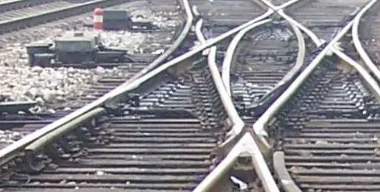
Turnout defects (1) Poor connection between the turnout and the front and rear tracks, and track direction and height exceeding the limit. (2) Track gauge exceeding the limit. (3) Poor track direction (including uneven side wear of rails) (4) Height exceeding the limit. (5) Separation of the tip and base rails. (6) Wear and collapse of the heart rail and wing rails. Analysis of the causes of the defects: (1) First, there is an error between the designed line spacing and the actual line spacing of the crossing turnout line, resulting in longitudinal displacement of the turnout, causing poor direction of the line after laying; second, during the turnout overhaul and turnout replacement construction, the front and rear of the turnout area and the straight line between the turnouts were not replaced or the depth, width and length of the ballast replacement did not meet the requirements, and the tamping was not solid, resulting in uneven settlement of the turnout and height deviation in the turnout area; third, there were many lines and few turnouts for tamping by large machines, and the starting amount was not measured and marked in advance, resulting in unevenness between the turnout area and the front and rear lines; fourth, the line shifting amount behind the turnout was not measured in advance before the large machine operation, and the large machine automatically shifted the track, resulting in poor direction of the line-turnout junction; fifth, the line lacked ballast, the curved line was not tamped solidly, and the lateral impact of the turnout was large, resulting in horizontal or directional deviation in the turnout area. (2) First, the gauge adjustment block number is incorrectly set during the turnout pre-laying process; second, the turnout sleeper is displaced horizontally and vertically, causing the gauge baffle to fail to be set according to the standard; third, the gauge baffle and large pad bolts are rusted and worn, causing the baffle and screw holes to expand and separate; fourth, the fasteners are loose, and the gauge changes under dynamic load impact; fifth, the top iron is not close together, and the dynamic expansion (3) First, the gauge changes unevenly; second, the temperature difference with the locking rail of the section seamless line exceeds the standard, the rail is displaced longitudinally, and the limit iron (limiter) is twisted or stuck; third, the aluminum thermite welding head nozzle forms a hard bend; fourth, the horizontal or hidden pit hanger on one side causes uneven force on the two rails; fifth, the rails alternate and uneven side wear. (4) First, the ballast is contaminated and compacted, and the drainage is poor, resulting in the hanging plate and mud overflow of the line pit; second, the joints and welds are uneven; third, there is unevenness between the movable heart rail and the wing rail; fourth, the turnout part, the movable heart rail, the electrical switch machine, etc. cannot be normally tamped, and the ballast is not dense; fifth, there are potholes on the rail surface where the cross-section of the point rail and the heart rail changes; sixth, the original unevenness of the rail surface in the vertical direction of the rail parent material. (5) First, the arch waist of the point rail is deformed; second, the hanging plate in the pit of the switch part; third, the gauge of the curved track is too large; fourth, the top iron is worn; fifth, the electrical switch equipment is not adjusted in place (6) The switch heart rail and wing rail are worn by the impact of the train. Defect remediation measures (1) Before the turnout is overhauled, the total station is used to accurately locate the turnout position, measure the existing line spacing, and comprehensively modify the lines where the line spacing does not meet the requirements to ensure the accuracy of the turnout horizontal and longitudinal section positions. (2) Replace ballast in the switch area and the straight line between the switch area according to the standard, cooperate with the tamping of the switch machine, use impact tamping pick to tamp the switch curved line, switch connecting rod, and insulating joints, and eliminate the dark pits and one side level in the switch area. (3) The switch area and the lines before and after not less than 100-150m are one operation unit. Before the tamping of the switch machine, accurately calculate the switch start-up and shifting amount, and record the straight shifting amount on the line every 5m so that the machine can accurately shift the track. The switch that has been displaced longitudinally must be shifted into place. (4) Accurately measure and calculate the shifting amount of the curve before and after the switch, replenish the ballast before the tamping operation of the machine, and promptly restore the installation of the switch anchor rod after the operation. For lateral switches with more vehicles passing through, increase the anchor piles at the turning point and strictly control the direction change of the switch. (5) During routine track shifting operations, if there are positioning observation piles, first measure the lateral displacement of the line, and use the measurement results to determine the direction and amount of track shifting; if there are no positioning observation piles, first determine the direction of track shifting from the front and rear directions of the line, and then determine the amount of track shifting at each part and reasonably determine the amount of rebound based on the direction deviation. (6) During pre-laying of turnouts, lay turnout sleepers and install connecting parts strictly in accordance with the turnout design drawings, and strictly conduct pre-laying inspection and acceptance. (7) During routine maintenance and repair operations, strengthen the inspection of sleeper spacing and lateral displacement, square the sleepers according to the laying standards, and adjust the gauge blocks. (8) Replace and supplement failed, rusted and missing gauge baffles in a timely manner. (9) Strengthen the joint inspection of the train, the engineer and the electrician, and comprehensively correct the gauge of the turnout switch section. (10) Strengthen the maintenance of fasteners, tighten the connecting parts and replace the vertical bolts in a timely manner to reduce the clearance. (11) Install the issued insulated gauge rods. (12) Use the straight rails in the turnout area as the reference rails to adjust the track gauge. (13) Adjust the stress of seamless turnouts to eliminate stress concentration. (14) Clean and replace the ballast of turnouts and front and rear straight lines with hardened ballast bed to restore the elasticity of the ballast bed. (15) Grind the joint welds to eliminate the unevenness of the joint weld rail surface and eliminate or reduce the additional impact force. (16) Repair the rail surface of the point rail and movable heart rail to eliminate or reduce the additional impact force. (17) Strengthen the tamping work of the turnout switch and movable heart rail to eliminate the hidden pit hanging plate.