




Are there any environmental impacts of using a Railway Cutter?
 Jul 28, 2025|
 As a supplier of railway cutters, I've often been asked about the environmental impacts of these essential tools. Railway cutters play a crucial role in the construction, maintenance, and repair of railway tracks. They are used to cut, shape, and smooth rails, ensuring the safety and efficiency of train operations. However, like any industrial equipment, they can have both direct and indirect environmental effects. In this blog post, I'll explore these impacts in detail and discuss ways to mitigate them.
Direct Environmental Impacts
1. Noise Pollution
One of the most obvious direct environmental impacts of using a railway cutter is noise pollution. The cutting and grinding processes generate high - intensity noise levels that can be harmful to both humans and wildlife. For workers operating the railway cutters, prolonged exposure to such noise can lead to hearing loss, stress, and other health problems. In the surrounding environment, excessive noise can disrupt the natural behavior of animals, affecting their communication, feeding, and breeding patterns.
Modern railway cutters, such as the NZM - 4.9 Rail Vertical Grinding Machine, are designed with noise - reduction features. These may include advanced mufflers and vibration - damping materials. By using such machines, the noise levels can be significantly reduced, minimizing the impact on the environment and the health of workers.
2. Air Pollution
The operation of railway cutters can also contribute to air pollution. When cutting and grinding rails, dust particles are generated. These dust particles can contain various harmful substances, such as heavy metals and silica. Inhalation of these particles can cause serious respiratory problems for workers and nearby residents.
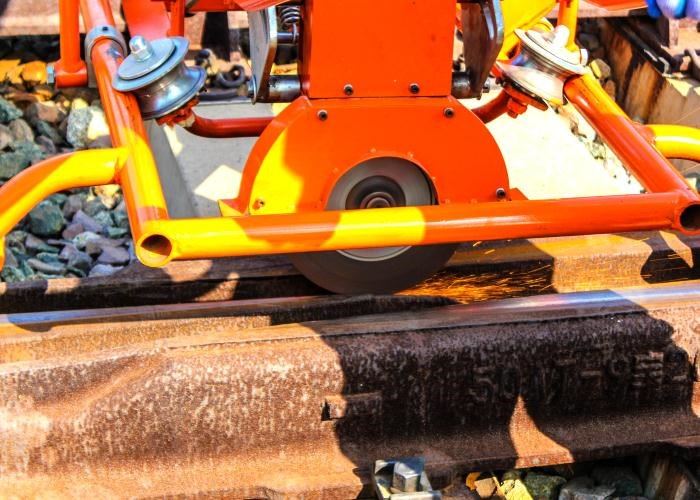
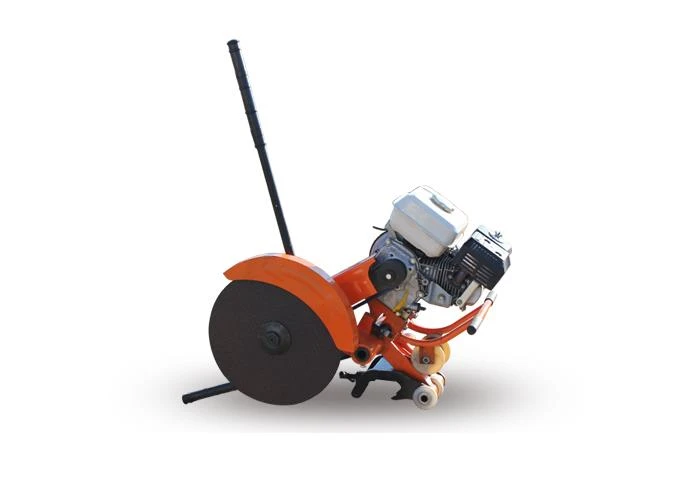
Moreover, if the railway cutter is powered by an internal combustion engine, it will emit exhaust gases. These gases contain pollutants such as carbon monoxide, nitrogen oxides, and particulate matter. These pollutants can have a negative impact on air quality, contributing to smog formation and global warming.
To address air pollution, some railway cutters are designed to be more environmentally friendly. For example, the Internal Combustion Rail Cutting Machine can be equipped with advanced emission - control systems to reduce the amount of pollutants released into the air. Additionally, dust - collection systems can be installed on the machines to capture the dust generated during the cutting and grinding processes.
3. Energy Consumption
Railway cutters consume a significant amount of energy, especially those that are electrically powered or use internal combustion engines. The production of this energy often involves the burning of fossil fuels, which releases greenhouse gases into the atmosphere. High energy consumption not only contributes to environmental degradation but also increases the operating costs for railway maintenance companies.
Some modern railway cutters are designed to be more energy - efficient. For instance, the Rail Grinding Machine (railroad track grinder) uses advanced motor technology and optimized cutting algorithms to reduce energy consumption without sacrificing performance.
Indirect Environmental Impacts
1. Resource Depletion
The manufacturing of railway cutters requires a large amount of raw materials, such as steel, aluminum, and various types of alloys. The extraction and processing of these raw materials can have a significant impact on the environment. Mining activities can lead to deforestation, soil erosion, and water pollution. Moreover, the production of these materials often requires a large amount of energy, further contributing to environmental degradation.
To reduce the impact of resource depletion, we can focus on the design and manufacturing of more durable and long - lasting railway cutters. By increasing the lifespan of the machines, we can reduce the frequency of replacement and thus the demand for new raw materials.
2. Waste Generation
During the operation and maintenance of railway cutters, waste is generated. This includes used cutting blades, worn - out parts, and other debris. Improper disposal of this waste can lead to environmental pollution. For example, if the waste contains heavy metals or other hazardous substances, it can contaminate soil and water sources.
Proper waste management is essential to minimize the environmental impact. Recycling programs can be implemented to reuse the materials from the waste. For example, used cutting blades can be recycled to produce new blades, reducing the need for virgin materials.
Mitigation Strategies
1. Technological Innovations
As mentioned earlier, technological advancements can play a crucial role in reducing the environmental impacts of railway cutters. Manufacturers are constantly developing new technologies to improve the energy efficiency, reduce noise and air pollution, and enhance the durability of the machines. For example, the use of electric - powered railway cutters can significantly reduce air pollution compared to internal combustion - engine - powered machines.
2. Training and Education
Proper training and education of workers are also important. Workers should be trained on how to operate the railway cutters in an environmentally friendly way. This includes proper maintenance of the machines to ensure optimal performance, as well as the correct use of dust - collection and noise - reduction equipment.
3. Environmental Management Systems
Railway maintenance companies can implement environmental management systems to monitor and control the environmental impacts of using railway cutters. These systems can include regular environmental audits, setting environmental performance targets, and implementing corrective actions when necessary.
Conclusion
In conclusion, while railway cutters are essential for railway construction and maintenance, they do have environmental impacts. These impacts include noise pollution, air pollution, energy consumption, resource depletion, and waste generation. However, through technological innovations, proper training, and effective environmental management, these impacts can be significantly reduced.
As a supplier of railway cutters, we are committed to providing our customers with environmentally friendly products. Our range of railway cutters, such as the NZM - 4.9 Rail Vertical Grinding Machine, Internal Combustion Rail Cutting Machine, and Rail Grinding Machine (railroad track grinder), are designed with the latest technologies to minimize environmental impacts.
If you are interested in our railway cutters or would like to discuss your specific requirements, please feel free to contact us. We look forward to partnering with you to ensure the safe and sustainable operation of your railway systems.
References
- "Environmental Impact Assessment of Railway Maintenance Equipment" - Journal of Environmental Engineering
- "Technological Advances in Railway Cutting and Grinding Machines" - International Journal of Rail Technology
- "Sustainable Resource Management in the Manufacturing of Industrial Equipment" - Resources, Conservation and Recycling