




How do Rail Grinders reduce rail wear?
 Jul 28, 2025|
 As a seasoned provider of rail grinders, I've witnessed firsthand the pivotal role these machines play in maintaining rail infrastructure. Rail wear is a significant concern in the railway industry, as it can lead to safety hazards, increased maintenance costs, and reduced operational efficiency. In this blog post, I'll delve into how rail grinders effectively reduce rail wear, exploring the underlying principles, benefits, and advanced technologies involved.
Understanding Rail Wear
Before we discuss how rail grinders mitigate wear, it's essential to understand the factors contributing to it. Rail wear occurs due to the repeated contact between the train wheels and the rail surface. This contact generates friction, which can cause several types of damage, including:
- Abrasive Wear: This is the most common type of wear, caused by the scraping and rubbing of the wheels against the rail. It leads to the removal of material from the rail surface, gradually reducing its thickness.
- Adhesive Wear: Occurs when the wheels and rails adhere to each other under high pressure, resulting in the transfer of material from one surface to the other. This can cause surface irregularities and pitting.
- Fatigue Wear: Caused by the repeated loading and unloading of the rails, leading to the formation of cracks and surface defects. Over time, these cracks can propagate and cause rail failure.
- Corrosion: Environmental factors such as moisture, salt, and chemicals can cause corrosion on the rail surface, weakening the material and accelerating wear.
How Rail Grinders Reduce Rail Wear
Rail grinders are specialized machines designed to remove a thin layer of material from the rail surface, correcting surface irregularities and restoring the rail's original profile. Here's how they work:
Surface Smoothing
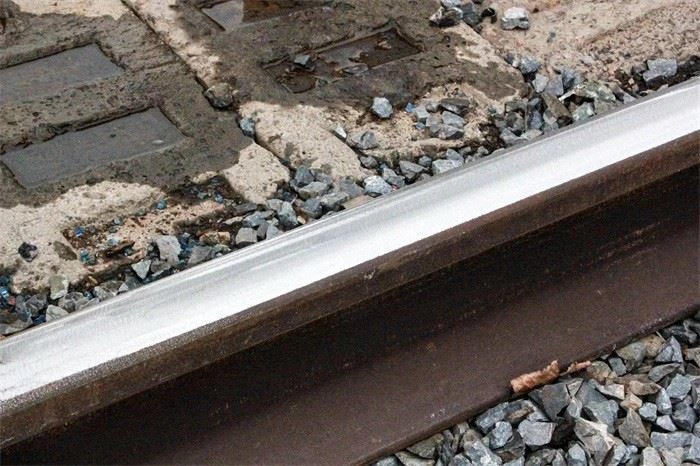
One of the primary functions of a rail grinder is to smooth the rail surface. By removing small bumps, pits, and other irregularities, the grinder reduces the friction between the wheels and the rail. This not only minimizes abrasive wear but also improves the ride quality for passengers and reduces the stress on the train's suspension system.
Profile Restoration
Over time, the rail profile can become distorted due to wear and tear. Rail grinders are equipped with precision grinding wheels that can reshape the rail to its original profile. A proper rail profile ensures optimal contact between the wheels and the rail, evenly distributing the load and reducing the risk of localized wear.
Crack Removal
Rail grinders can also remove surface cracks and defects before they propagate and cause rail failure. By grinding away the damaged material, the grinder eliminates the stress concentration points that can lead to crack growth. This preventive maintenance approach significantly extends the lifespan of the rails.
Hardening the Rail Surface
Some advanced rail grinders use a process called thermo-mechanical treatment, which involves heating the rail surface during grinding. This process can harden the surface layer of the rail, making it more resistant to wear and fatigue. The hardened surface can withstand the high pressures and forces exerted by the train wheels, reducing the rate of wear.
Advanced Technologies in Rail Grinding
The rail grinding industry has witnessed significant technological advancements in recent years, leading to more efficient and precise grinding processes. Here are some of the key technologies used in modern rail grinders:
Laser Profiling
Laser profiling systems are used to accurately measure the rail profile before and after grinding. These systems provide real-time data on the rail's condition, allowing operators to adjust the grinding parameters for optimal results. Laser profiling also enables precise control of the grinding depth, ensuring that only the necessary amount of material is removed.
Computerized Control Systems
Modern rail grinders are equipped with computerized control systems that automate the grinding process. These systems can adjust the speed, pressure, and position of the grinding wheels based on the rail's condition and the desired profile. Computerized control systems improve the consistency and accuracy of the grinding process, reducing the risk of human error.
Remote Monitoring and Diagnostic Systems
Some rail grinders are equipped with remote monitoring and diagnostic systems that allow operators to monitor the machine's performance in real-time. These systems can detect potential issues such as abnormal vibration, temperature changes, or wear on the grinding wheels. Early detection of problems enables proactive maintenance, minimizing downtime and reducing maintenance costs.
Benefits of Using Rail Grinders
The use of rail grinders offers several benefits for railway operators and infrastructure managers:
Extended Rail Lifespan
By reducing rail wear and preventing crack propagation, rail grinders significantly extend the lifespan of the rails. This reduces the need for frequent rail replacements, saving costs on materials and labor.
Improved Safety
A smooth and properly profiled rail surface reduces the risk of derailment and other safety hazards. Rail grinders help maintain the integrity of the rail infrastructure, ensuring safe and reliable operation of trains.
Reduced Maintenance Costs
Regular grinding of the rails reduces the need for other maintenance activities such as track tamping and alignment adjustment. This not only saves time and money but also minimizes the disruption to train services.
Enhanced Operational Efficiency
Smoother rails reduce the friction between the wheels and the rail, resulting in lower energy consumption and improved train performance. This leads to increased operational efficiency and reduced operating costs for railway operators.
Our Rail Grinder Products
As a leading provider of rail grinders, we offer a wide range of products to meet the diverse needs of our customers. Our Lithium Turnout Milling And Grinding Machine is specifically designed for grinding turnouts and other complex rail sections. It features advanced milling and grinding technologies, ensuring precise and efficient grinding operations.
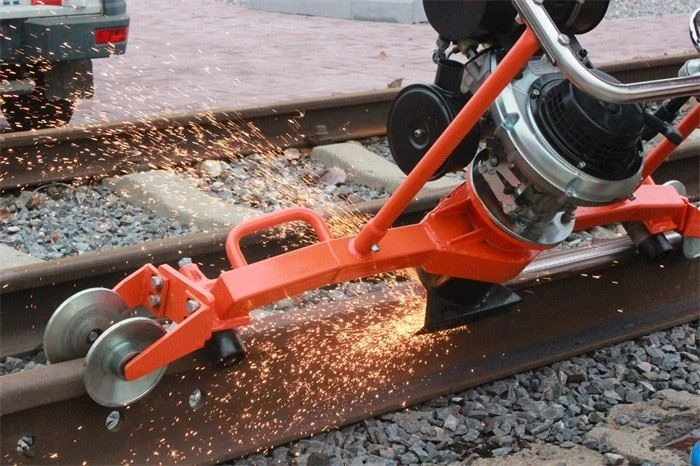
Our [Rail Drill Grinding Machine](https://www. ab.com/rail-grinding-series/internal-combustion-rail-grinding-machine/rail-drill-grinding-machine.html) is another popular product, which is used for grinding drill bits and other cutting tools used in rail construction and maintenance. It offers high precision and reliability, making it an essential tool for any rail maintenance team.
If you're interested in learning more about the common injuries that can occur on the surface of rails after prolonged use and how our rail grinders can help solve these problems, check out our article What Injuries May Occur On The Surface Of Rails After Prolonged Use? Rail Grinding Machine Can Help You To Solve.
Conclusion
Rail wear is a significant challenge in the railway industry, but with the right tools and technologies, it can be effectively managed. Rail grinders play a crucial role in reducing rail wear, extending the lifespan of the rails, and ensuring the safety and efficiency of railway operations. As a trusted provider of rail grinders, we are committed to delivering high-quality products and solutions that meet the evolving needs of our customers.
If you're interested in learning more about our rail grinder products or have any questions about rail wear and maintenance, please don't hesitate to contact us. We'd be happy to discuss your specific requirements and provide you with a customized solution.
References
- International Union of Railways (UIC). (20XX). Guidelines for Rail Grinding.
- Federal Railroad Administration (FRA). (20XX). Rail Wear and Damage Management.
- Railway Technical Research Institute (RTRI). (20XX). Advanced Rail Grinding Technologies.