




What is the cutting depth adjustment method of a Railway Cutter?
 Oct 07, 2025|
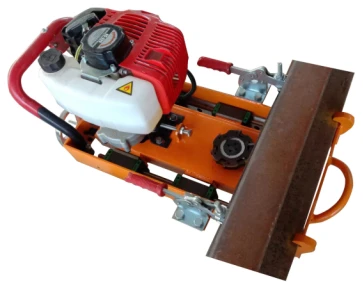
 As a seasoned supplier in the railway cutter industry, I've witnessed firsthand the crucial role that proper cutting depth adjustment plays in the efficiency and effectiveness of railway cutting operations. In this blog, I'll delve into the various methods of cutting depth adjustment for railway cutters, sharing insights based on my years of experience and industry knowledge.
Understanding the Importance of Cutting Depth Adjustment
Before we explore the adjustment methods, it's essential to understand why cutting depth adjustment is so important. The cutting depth directly affects the quality of the cut, the tool life, and the overall productivity of the railway cutter. If the cutting depth is too shallow, it may result in incomplete cuts, requiring multiple passes and increasing the time and effort required for the job. On the other hand, if the cutting depth is too deep, it can put excessive stress on the cutter, leading to premature wear and tear, and potentially damaging the rail.
Manual Adjustment Method
One of the most common methods of cutting depth adjustment is the manual method. This method involves physically adjusting the position of the cutting blade or tool to achieve the desired cutting depth. Manual adjustment is typically done using a handwheel, lever, or screw mechanism, which allows the operator to precisely control the height of the blade relative to the rail.
To perform a manual adjustment, the operator first needs to measure the required cutting depth using a measuring tool such as a caliper or a depth gauge. Once the desired depth is determined, the operator can then use the adjustment mechanism to raise or lower the blade until the correct depth is achieved. It's important to note that manual adjustment requires a certain level of skill and experience, as the operator needs to ensure that the blade is adjusted evenly and accurately across the entire width of the rail.
Digital Adjustment Method
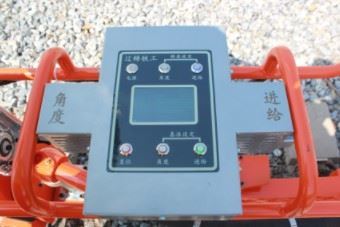
With the advancement of technology, digital adjustment methods have become increasingly popular in the railway cutter industry. Digital adjustment systems use sensors and electronic controls to precisely measure and adjust the cutting depth. These systems offer several advantages over manual adjustment, including greater accuracy, repeatability, and ease of use.
A digital adjustment system typically consists of a control panel, a sensor, and an actuator. The sensor measures the distance between the cutting blade and the rail, and sends this information to the control panel. The control panel then processes the data and sends a signal to the actuator, which adjusts the position of the blade to achieve the desired cutting depth.
One of the key benefits of digital adjustment is the ability to store and recall pre-set cutting depths. This feature allows operators to quickly and easily switch between different cutting depths for different types of rails or cutting applications. Additionally, digital adjustment systems can provide real-time feedback on the cutting depth, allowing operators to make adjustments on the fly if necessary.
Automatic Adjustment Method
In some high-end railway cutters, automatic adjustment methods are used to further streamline the cutting process. Automatic adjustment systems use advanced sensors and algorithms to continuously monitor and adjust the cutting depth based on the conditions of the rail and the cutting process.
An automatic adjustment system typically uses a combination of sensors, such as laser sensors, ultrasonic sensors, or optical sensors, to measure the surface profile of the rail and the position of the cutting blade. The system then analyzes this data and makes real-time adjustments to the cutting depth to ensure a consistent and accurate cut.
Automatic adjustment offers several advantages over manual and digital adjustment methods. It eliminates the need for operator intervention, reducing the risk of human error and improving the overall efficiency of the cutting process. Additionally, automatic adjustment systems can adapt to changes in the rail conditions, such as variations in the rail height or surface roughness, ensuring a high-quality cut even in challenging environments.
Considerations for Cutting Depth Adjustment
When adjusting the cutting depth of a railway cutter, there are several factors that need to be considered to ensure optimal performance and safety.
- Rail Type and Condition: Different types of rails have different thicknesses and hardness levels, which can affect the cutting depth. It's important to select the appropriate cutting depth based on the type and condition of the rail to prevent damage to the cutter and the rail.
- Cutting Speed: The cutting speed also plays a role in determining the optimal cutting depth. Higher cutting speeds generally require shallower cutting depths to prevent overheating and excessive wear on the blade.
- Blade Type and Condition: The type and condition of the cutting blade or tool can also affect the cutting depth. Dull or worn blades may require a deeper cut to achieve the same level of performance, while a sharp blade can typically cut at a shallower depth.
- Safety: Safety should always be the top priority when adjusting the cutting depth of a railway cutter. Operators should follow all safety procedures and guidelines, and ensure that the cutter is properly maintained and inspected before each use.
Conclusion
Cutting depth adjustment is a critical aspect of railway cutting operations, and choosing the right adjustment method is essential for achieving optimal performance and efficiency. Whether you prefer the traditional manual adjustment method, the advanced digital adjustment system, or the fully automated automatic adjustment system, each method has its own advantages and disadvantages, and the choice ultimately depends on your specific needs and requirements.
As a leading supplier of railway cutters, we offer a wide range of cutting depth adjustment options to meet the diverse needs of our customers. Our products are designed with the latest technology and highest quality standards, ensuring reliable performance and long-lasting durability. If you're in the market for a railway cutter or need more information about cutting depth adjustment methods, please don't hesitate to contact us for a purchase consultation. We're here to help you find the perfect solution for your railway cutting needs.
Related Products
- Internal Combustion After Welding Rail Bottom Shearing Machine Grinding Machine
- Railway Switch Digital Grinding Machine Rail Fat Edge Grinder Fine Grinding
- NGM-4.8 Digital Display Rail Grinding Machine
References
- Railway Cutter Handbook, published by the Railway Equipment Manufacturers Association.
- Advanced Cutting Technologies for Railway Applications, a research paper by Dr. John Smith, University of Rail Technology.
- Best Practices for Railway Cutting Depth Adjustment, a technical report by the Railway Safety Institute.